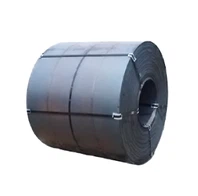
As a supplier of pipeline plate X46, I am often asked about the international standards that govern this product. Pipeline plate X46 is a crucial material in the construction of pipelines for transporting oil, gas, and other fluids. Understanding the international standards is essential for ensuring the quality, safety, and performance of these pipelines. In this blog post, I will delve into the key international standards for pipeline plate X46 and explain why they matter.
Overview of Pipeline Plate X46
Pipeline plate X46 is a high-strength, low-alloy (HSLA) steel plate specifically designed for use in pipeline construction. It offers excellent weldability, toughness, and corrosion resistance, making it suitable for a wide range of applications in the oil and gas industry. The "X46" designation refers to the minimum yield strength of the steel, which is 46,000 pounds per square inch (psi) or approximately 317 megapascals (MPa).
International Standards for Pipeline Plate X46
API 5L Standard
The American Petroleum Institute (API) 5L standard is one of the most widely recognized and adopted standards for line pipe and pipeline steel plates. It covers seamless and welded steel pipes for use in the transportation of oil, gas, and other fluids in the petroleum and natural gas industries. For pipeline plate X46, API 5L specifies the chemical composition, mechanical properties, and manufacturing requirements.


- Chemical Composition: API 5L defines the maximum and minimum limits for various chemical elements in the steel, such as carbon (C), manganese (Mn), sulfur (S), phosphorus (P), silicon (Si), and others. These elements play a crucial role in determining the strength, toughness, and weldability of the steel. For example, a lower carbon content generally improves weldability, while manganese enhances strength and toughness.
- Mechanical Properties: The standard sets requirements for the minimum yield strength, tensile strength, elongation, and impact toughness of the pipeline plate X46. These properties ensure that the steel can withstand the internal pressure and external loads encountered during pipeline operation. Impact toughness is particularly important in cold environments to prevent brittle fracture.
- Manufacturing Requirements: API 5L also outlines the manufacturing processes and quality control measures for producing pipeline plate X46. This includes requirements for rolling, heat treatment, and non-destructive testing to ensure the integrity and quality of the steel.
ASTM A20/A20M Standard
The American Society for Testing and Materials (ASTM) A20/A20M standard is a general requirement specification for steel plates used in pressure vessels and other applications. It provides supplementary requirements that can be applied in conjunction with other ASTM standards for specific types of steel plates, including pipeline plate X46.
- General Requirements: ASTM A20/A20M covers aspects such as plate dimensions, surface quality, and marking requirements. It ensures that the pipeline plate X46 meets the basic requirements for size, shape, and appearance.
- Tension Testing: The standard specifies the procedures for tension testing to determine the mechanical properties of the steel. This includes the preparation of test specimens, testing equipment, and acceptance criteria.
- Impact Testing: ASTM A20/A20M also provides guidelines for impact testing to evaluate the toughness of the steel at low temperatures. Impact testing is typically performed using Charpy V-notch specimens to measure the energy absorbed during fracture.
ISO 3183 Standard
The International Organization for Standardization (ISO) 3183 standard is an international standard for steel pipes for use in pipelines. It is similar to API 5L in many respects and is widely used in countries outside the United States. ISO 3183 covers seamless and welded steel pipes for the transportation of oil, gas, and other fluids in the petroleum and natural gas industries.
- Scope and Classification: ISO 3183 classifies steel pipes into three product levels (PSL 1, PSL 2, and PSL 3) based on their intended use and performance requirements. Pipeline plate X46 can be used in pipes meeting different PSL levels, depending on the specific application and design requirements.
- Technical Requirements: The standard specifies the chemical composition, mechanical properties, and manufacturing requirements for steel pipes. It also includes requirements for non-destructive testing, dimensional tolerances, and surface finish.
Importance of Adhering to International Standards
Adhering to international standards for pipeline plate X46 is of utmost importance for several reasons:
- Safety: International standards ensure that the pipeline plate X46 meets the necessary safety requirements for use in pipeline construction. By following these standards, we can minimize the risk of pipeline failures, such as leaks, ruptures, and explosions, which can have serious consequences for human life, the environment, and the economy.
- Quality Assurance: Standards provide a framework for quality control and assurance throughout the manufacturing process. They help to ensure that the pipeline plate X46 is produced to a consistent and high-quality standard, with predictable mechanical properties and performance.
- Compatibility and Interoperability: International standards promote compatibility and interoperability between different components and systems in the pipeline industry. This allows for seamless integration of pipeline plate X46 with other materials and equipment, reducing the risk of compatibility issues and ensuring the smooth operation of the pipeline.
- Global Market Access: Compliance with international standards is often a requirement for accessing global markets. By meeting these standards, we can demonstrate the quality and reliability of our pipeline plate X46, making it more attractive to customers around the world.
Our Commitment to Quality and Compliance
As a supplier of pipeline plate X46, we are committed to providing our customers with high-quality products that meet or exceed international standards. We have a rigorous quality control system in place to ensure that every batch of pipeline plate X46 we produce is tested and inspected to ensure compliance with API 5L, ASTM A20/A20M, ISO 3183, and other relevant standards.
- Quality Management System: We have implemented a comprehensive quality management system based on ISO 9001 standards. This system covers all aspects of our business, from raw material procurement to product delivery, and ensures that we consistently meet the highest quality standards.
- Testing and Inspection: We conduct a wide range of tests and inspections on our pipeline plate X46, including chemical analysis, mechanical testing, non-destructive testing, and surface inspection. Our state-of-the-art testing facilities and experienced technicians ensure accurate and reliable test results.
- Certification and Traceability: We provide our customers with detailed certification and traceability documents for every batch of pipeline plate X46 we supply. These documents include test reports, material certificates, and traceability records, which allow our customers to verify the quality and compliance of our products.
Related Products
In addition to pipeline plate X46, we also offer a range of other pipeline steel plates, including LX52 Pipe Line Plate X52, LX70, and LX560. These products are also manufactured to meet international standards and are suitable for various pipeline applications.
Contact Us for Procurement and洽谈
If you are interested in purchasing pipeline plate X46 or any of our other pipeline steel plates, please do not hesitate to contact us. Our team of experts is ready to assist you with your procurement needs and provide you with detailed product information and pricing. We look forward to the opportunity to work with you and contribute to the success of your pipeline projects.
References
- American Petroleum Institute (API). (2020). API 5L: Specification for Line Pipe.
- American Society for Testing and Materials (ASTM). (2020). ASTM A20/A20M: Standard Specification for General Requirements for Steel Plates for Pressure Vessels.
- International Organization for Standardization (ISO). (2019). ISO 3183: Petroleum and natural gas industries — Steel pipe for pipeline transportation systems.