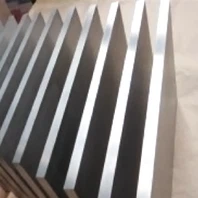
When it comes to clad plates, which are composite materials made by bonding two or more different metals together, proper installation is crucial to ensure their performance and longevity. As a seasoned clad plate supplier, I've witnessed firsthand the importance of using the right installation tools. In this blog post, I'll delve into the essential installation tools for clad plates and provide insights into their functions and applications.
Cutting Tools
Cutting is often the first step in the installation process of clad plates. There are several cutting tools available, each with its own advantages and limitations.
Plasma Cutters
Plasma cutters are widely used for cutting clad plates due to their high cutting speed and precision. They work by creating a high - energy plasma arc that melts the metal, allowing for clean and efficient cuts. Plasma cutters can handle a variety of clad plate thicknesses and are suitable for both straight and curved cuts. For instance, when working with A516GR70 +304L Clad Plate, a plasma cutter can quickly and accurately cut the plate to the desired size.
Laser Cutters
Laser cutters offer even greater precision than plasma cutters. They use a high - intensity laser beam to vaporize the metal, resulting in extremely fine cuts with minimal heat - affected zones. Laser cutters are ideal for intricate designs and thin clad plates. However, they are generally more expensive and have limitations in terms of the maximum thickness they can cut.
Abrasive Cut - off Wheels
Abrasive cut - off wheels are a cost - effective option for cutting clad plates. They are simple to use and can be mounted on a handheld grinder or a bench - mounted cutting machine. These wheels are made of abrasive materials that wear away the metal as they rotate. While they are suitable for small - scale projects and rough cuts, they may not provide the same level of precision as plasma or laser cutters.
Welding Tools
Welding is a critical process in the installation of clad plates as it joins the clad plate to other components or structures. Different welding methods require different tools.
TIG Welders
Tungsten Inert Gas (TIG) welders are commonly used for welding clad plates, especially when high - quality welds are required. TIG welding uses a non - consumable tungsten electrode to create an arc, and a filler metal can be added if necessary. This method provides precise control over the welding process, resulting in clean and strong welds. TIG welders are suitable for welding thin clad plates and for applications where aesthetics are important.
MIG Welders
Metal Inert Gas (MIG) welders are another popular choice for welding clad plates. MIG welding uses a consumable wire electrode that is fed through a welding gun. This method is faster than TIG welding and is well - suited for thicker clad plates. MIG welders are relatively easy to operate, making them a good option for beginners. However, they may require more post - welding cleanup compared to TIG welding.
Welding Helmets and Protective Gear
In addition to the welding machines themselves, proper protective gear is essential. Welding helmets protect the welder's face and eyes from the intense light, heat, and sparks generated during the welding process. Other protective equipment, such as welding gloves, aprons, and safety glasses, should also be worn to prevent burns and injuries.
Measuring and Marking Tools
Accurate measurement and marking are essential for ensuring a proper fit during the installation of clad plates.
Tape Measures
Tape measures are the most basic but indispensable measuring tools. They come in various lengths and are used to measure the dimensions of the clad plate and the area where it will be installed. A reliable tape measure with clear markings is crucial for getting accurate measurements.
Squares
Squares, such as combination squares and framing squares, are used to ensure that the cuts and angles of the clad plate are precise. They help in creating 90 - degree angles and can be used to check the squareness of the installation area.
Marking Pens and Chalk
Marking pens and chalk are used to mark the cutting lines, drill holes, and other important points on the clad plate. They provide a visible guide during the installation process and help to ensure that the work is done accurately.
Drilling Tools
Drilling holes in clad plates may be necessary for various reasons, such as attaching the plate to a structure or for ventilation purposes.
Drill Presses
Drill presses are the preferred choice for drilling holes in clad plates as they offer greater accuracy and control compared to handheld drills. They can be adjusted to different speeds and depths, allowing for precise drilling. Drill presses are suitable for both small - and large - scale drilling operations.
Handheld Drills
Handheld drills are more portable and can be used for on - site drilling or for smaller projects. They are available in different power ratings and can be equipped with various drill bits depending on the type of hole required. However, they may not provide the same level of accuracy as drill presses.
Clamping and Fastening Tools
Clamping and fastening tools are used to hold the clad plate in place during the installation process and to secure it to the structure.
C - Clamps
C - clamps are simple and versatile clamping tools. They can be used to hold the clad plate firmly against a surface or to hold two pieces of the plate together during welding or other operations. C - clamps come in different sizes and can be tightened or loosened easily.
Screwdrivers and Nut Drivers
Screwdrivers and nut drivers are used to install screws, bolts, and nuts that fasten the clad plate to the structure. They come in various sizes and types, such as Phillips - head, flat - head, and Allen - key screwdrivers, to accommodate different fastener types.
Rivet Guns
Rivet guns are used to install rivets, which are a type of permanent fastener. Rivets are often used in applications where a strong and reliable connection is required. Rivet guns can be either manual or pneumatic, depending on the size and type of rivets being used.
Surface Preparation Tools
Proper surface preparation is crucial for ensuring good adhesion and a long - lasting installation of clad plates.
Wire Brushes
Wire brushes are used to clean the surface of the clad plate, removing rust, dirt, and other contaminants. They can be used either manually or with a power tool, such as a drill or an angle grinder.
Sandpaper and Abrasive Pads
Sandpaper and abrasive pads are used to smooth the surface of the clad plate and to create a rough texture for better adhesion. Different grits of sandpaper can be used depending on the level of surface preparation required.
Conclusion
As a clad plate supplier, I understand that the quality of the installation is just as important as the quality of the clad plate itself. Using the right installation tools is essential for achieving a successful installation. Whether you are working with A516GR70 +304L Clad Plate, S355JR+304L, or A537CL2+304L - Stainless Steel Clad Plate, having the appropriate cutting, welding, measuring, drilling, clamping, and surface preparation tools will ensure that the installation is done efficiently and effectively.
If you are in the market for clad plates or have any questions about the installation process, I encourage you to reach out to us. Our team of experts is ready to assist you with your procurement needs and provide guidance on the best installation practices.
References
- "Handbook of Clad Metals: Production, Properties, and Applications" by R. W. Cahn
- "Welding Metallurgy and Weldability of Stainless Steels" by John C. Lippold and David J. Kotecki
- "Metalworking: A Practical Guide for the Shop" by Robert Blackburn