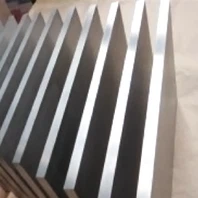
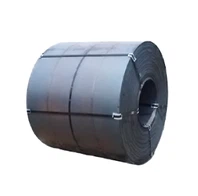
The bonding strength of clad plates is a crucial factor that determines their performance and applicability in various industries. As a trusted clad plate supplier, I've witnessed firsthand how different factors can significantly impact this bonding strength. In this blog, I'll delve into the key elements that influence the bonding strength of clad plates, providing insights that can help you make informed decisions when choosing the right clad plates for your projects.
Material Properties
The materials used in the base and cladding layers play a fundamental role in determining the bonding strength of clad plates. Different metals have distinct physical and chemical properties, such as thermal expansion coefficients, melting points, and chemical reactivity. When these properties are mismatched between the base and cladding materials, it can lead to internal stresses during the bonding process, potentially weakening the bond.
For instance, if the thermal expansion coefficient of the base metal is significantly different from that of the cladding metal, thermal stresses can develop during heating and cooling cycles. These stresses can cause the bond to crack or delaminate over time. Therefore, it's essential to carefully select materials with compatible properties to ensure a strong and durable bond.
At our company, we offer a wide range of clad plates, including A516GR70 +304L Clad Plate, A537CL2+304L -Stainless Steel Clad Plate, and S355JR+304L. Our experts carefully match the base and cladding materials to optimize the bonding strength and overall performance of the clad plates.
Surface Preparation
Proper surface preparation is another critical factor in achieving strong bonding strength. The surfaces of the base and cladding materials must be clean, free of contaminants, and have the appropriate roughness to promote mechanical interlocking and chemical bonding.
Contaminants such as oil, grease, rust, and oxides can act as barriers, preventing direct contact between the two materials and reducing the bonding strength. Therefore, thorough cleaning processes, such as degreasing, sandblasting, or pickling, are typically employed to remove these contaminants and create a clean surface for bonding.
In addition to cleaning, the surface roughness of the materials can also affect the bonding strength. A certain degree of surface roughness can increase the contact area between the base and cladding materials, enhancing mechanical interlocking and improving the bond strength. However, excessive roughness can also lead to uneven bonding and the formation of voids or cracks. Therefore, it's important to control the surface roughness within an appropriate range.
Bonding Process
The bonding process used to join the base and cladding materials is one of the most significant factors influencing the bonding strength of clad plates. There are several bonding methods available, each with its own advantages and limitations.
Explosion Bonding
Explosion bonding is a widely used method for producing clad plates. In this process, a controlled explosion is used to create a high-velocity impact between the base and cladding materials, causing them to bond together at the atomic level. Explosion bonding can produce clad plates with high bonding strength and excellent metallurgical properties. However, it requires specialized equipment and expertise, and the process can be relatively expensive.
Roll Bonding
Roll bonding involves passing the base and cladding materials through a pair of rollers under high pressure to bond them together. This method is suitable for producing large quantities of clad plates with consistent quality. Roll bonding can be performed at room temperature or elevated temperatures, depending on the materials being bonded. However, the bonding strength achieved by roll bonding may be lower than that of explosion bonding, especially for materials with poor weldability.
Weld Cladding
Weld cladding is a process in which the cladding material is deposited onto the surface of the base material using welding techniques. This method is commonly used for repairing or enhancing the surface properties of existing components. Weld cladding can provide a strong bond between the base and cladding materials, but it may also introduce residual stresses and heat-affected zones, which can affect the overall performance of the clad plate.
Heat Treatment
Heat treatment is often used after the bonding process to improve the bonding strength and mechanical properties of clad plates. Heat treatment can relieve residual stresses, refine the microstructure of the materials, and enhance the diffusion of atoms across the bond interface, resulting in a stronger and more uniform bond.
The specific heat treatment parameters, such as temperature, time, and cooling rate, depend on the materials used and the bonding process employed. Improper heat treatment can have a negative impact on the bonding strength, causing the bond to weaken or even fail. Therefore, it's crucial to carefully control the heat treatment process to ensure optimal results.
Environmental Factors
The environmental conditions in which the clad plates are used can also affect their bonding strength. Factors such as temperature, humidity, corrosion, and mechanical stress can all have an impact on the integrity of the bond over time.
High temperatures can cause the materials to expand and contract, leading to thermal stresses that can weaken the bond. Humidity and corrosive environments can cause the materials to corrode, which can also degrade the bond strength. Mechanical stress, such as vibration or impact, can cause the bond to crack or delaminate.
To ensure the long-term performance of clad plates in harsh environments, it's important to choose the right materials and bonding methods, and to provide appropriate protective coatings or treatments.
Conclusion
In conclusion, the bonding strength of clad plates is influenced by a variety of factors, including material properties, surface preparation, bonding process, heat treatment, and environmental conditions. As a clad plate supplier, we understand the importance of these factors and take every measure to ensure that our clad plates meet the highest standards of quality and performance.
If you're in the market for high-quality clad plates, we invite you to explore our product range, including A516GR70 +304L Clad Plate, A537CL2+304L -Stainless Steel Clad Plate, and S355JR+304L. Our team of experts is ready to assist you in selecting the right clad plates for your specific needs and to provide you with the support and guidance you need throughout the purchasing process. Contact us today to start a discussion about your clad plate requirements.
References
- ASM Handbook, Volume 6: Welding, Brazing, and Soldering, ASM International.
- Metals Handbook Desk Edition, Second Edition, ASM International.
- Clad Metals: A Guide to Their Selection and Application, The Welding Institute.