Products

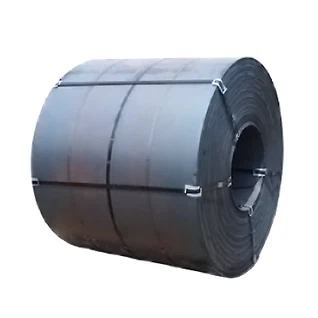
A537CL2+304L -Stainless Steel Clad Plate
Introduction
Stainless steel clad plate is a composite material made by combining A537CL2 steel plate and 304L stainless steel plate through high-temperature composite technology. It can be widely used in the manufacture of key components such as pressure vessels, storage tanks, reactors and equipment casings.
Advantages
1. Strong compressive strength
Stainless steel clad plate is a low-alloy high-strength steel with a tensile strength usually between 485 MPa and 620 MPa. Its high strength enables the composite plate to maintain structural stability under high pressure conditions and prevent deformation or cracking.
2. Good heat resistance
Stainless steel clad plate is an austenitic stainless steel that can maintain its mechanical properties and chemical stability under high temperature environments. It has a high melting point and can still maintain good corrosion resistance and strength in the temperature range of 600°C to 800°C, making it suitable for high-temperature working environments.
3. Good weldability
Carbon steel substrates can be easily welded by traditional techniques such as MIG and TIG. Since the carbon content of 304L stainless steel is less than 0.03%, it can effectively reduce the carbide deposition generated at the welding site during welding. Stainless steel with a high carbon content is prone to "intergranular corrosion" during welding, and the grain boundary area of the welding site loses corrosion resistance due to the formation of carbides.
4. Lightweight
A537CL2+304L - has a lower density, while A537CL2 steel plate has a higher density, but its high strength allows the material thickness to be reduced in the design to achieve weight reduction.
Applications
1. Petrochemical Industry
Used in chemical reactors, pipelines, storage tanks, etc. For example, pressure vessels and reactors used in oil refineries can withstand high pressure and high temperature environments.
2. Shipbuilding and marine engineering
Composite plates can be used for the external structure and hull of ships, such as the support structure and piping system of offshore drilling platforms.
3. Nuclear Energy Industry
Reactor Pressure Vessel: Used to manufacture the shell of the pressure vessel, which can withstand extremely high pressure and temperature.
Cooling System Components: The cooling system in a nuclear power plant involves the circulation of high-temperature liquids. The use of composite plates can ensure that the system remains stable under long-term operation.
4. Food Processing and Pharmaceutical Industry
Food processing equipment: such as food processing equipment, storage containers, etc.
Pharmaceutical Industry Equipment: Used to manufacture pipes and containers in pharmaceutical production lines.
5. Aerospace Industry
Aircraft engine components: For example, aircraft engine shells and heat exchange system components, composite plates can withstand high temperatures and oxidizing gases while maintaining strength and toughness.
6. Automobile and Transportation Manufacturing
Transportation Components: Such as the shell or supporting structure components of high-speed rail and subway vehicles.
FAQ
Q: What is A537CL2+304L -stainless steel clad plate?
A: A537CL2+304L- is a composite material made of A537CL2 low alloy steel plate and 304L stainless steel plate through high temperature and high pressure welding or hot rolling. It has both the strength of A537CL2 and the corrosion resistance of 304L stainless steel. It is widely used in chemical, pressure vessel, shipbuilding and other industries.
Q: What is the difference between A537CL2 and 304L stainless steel?
A: A537CL2 is a low alloy steel, mainly used for high pressure vessels, with high compressive strength and good toughness; 304L stainless steel is a low carbon stainless steel with excellent corrosion resistance, suitable for environments with high requirements for anti-corrosion performance.
Q: What is the thickness range of stainless steel clad plate?
A: The thickness of the composite plate is usually between 3mm-50mm, and the specific thickness can be customized according to customer needs.
Q: What is the chemical composition of stainless steel clad plate?
A: A537CL2 steel plate: the main components are carbon (C), manganese (Mn), silicon (Si), phosphorus (P), sulfur (S), chromium (Cr), nickel (Ni), etc.; 304L stainless steel: the main components are iron (Fe), chromium (Cr), nickel (Ni), carbon (C), silicon (Si), etc.
Q: How to weld stainless steel clad plate?
A: When welding, you need to choose a suitable welding rod or welding wire, and avoid using too high a temperature to avoid damaging the corrosion resistance of 304L stainless steel. Commonly used welding methods include TIG welding and MIG welding.
Q: What is the hardness of stainless steel clad plate?
A: The hardness of the composite plate usually depends on the hardness of the underlying steel. The hardness of A537CL2 steel plate is between HB 180-230, and the hardness of 304L stainless steel is around HB 150.
Q: What are the surface treatment options for stainless steel clad plate?
A: Surface treatments such as pickling, polishing, and sandblasting can be performed to improve the corrosion resistance and aesthetics of the plate.
Q: What is the tensile strength of stainless steel clad plate?
A: The tensile strength of A537CL2 steel plate is generally 520-690MPa, while the tensile strength of 304L stainless steel is about 500-700MPa. The tensile strength of the composite plate depends on the ratio of the two layers of material.
Q: How to ensure the quality of stainless steel clad plate?
A: Be sure to purchase from reputable manufacturers, select materials that meet international standards, and ensure the quality of the composite plate through professional testing and quality control systems (such as UT, X-ray testing, etc.).
Q: How is the machinability of stainless steel clad plate?
A: A537CL2+304L - has good machinability and can be processed by laser cutting, punching, shearing and other processes. It should be noted that the corrosion of the stainless steel layer should be avoided during the cutting process.
Q: How is the anti-oxidation performance of stainless steel clad plate?
A: 304L stainless steel has good anti-oxidation performance and strong anti-oxidation ability at high temperature. Therefore, A537CL2+304L composite plate also has good anti-oxidation performance.
Q: How to deal with the welding joints of stainless steel clad plate?
A: Welding joints usually need to be polished, pickled and other treatments to ensure that the corrosion resistance of the weld is consistent with the whole plate to prevent corrosion.
Q: What are the common specifications of stainless steel clad plate?
A: Common specifications include thickness 3mm-50mm, width 1000mm-2000mm, length 2000mm-6000mm, and specific specifications can be customized according to customer needs.
Hot Tags: A537CL2+304L -Stainless Steel Clad Plate, China A537CL2+304L -Stainless Steel Clad Plate manufacturers, suppliers, factory, alloy steel plate, square steel plate, premium steel plate, wear plate for automotive industries, tensile strength steel plate, machinable steel plate