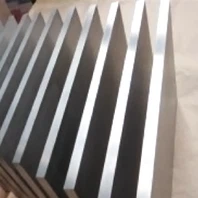
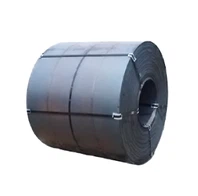
Hey there! As a supplier of cladding steel plates, I'm super stoked to chat about how these bad boys are used in the waste treatment industry. Cladding steel plates are basically composite materials made by bonding a layer of corrosion - resistant metal (like stainless steel) to a structural steel base. This combo gives you the best of both worlds: the strength of structural steel and the corrosion resistance of stainless steel. Let's dive into how they're making waves in waste treatment.
1. Waste Incineration Plants
Waste incineration is a common method of waste treatment. It involves burning waste at high temperatures to reduce its volume and generate energy. But the environment inside an incinerator is brutal. There are high temperatures, aggressive chemicals from the waste, and abrasive particles.
That's where cladding steel plates come in. They're used to line the walls of incinerator chambers. For example, the S355JR+304L cladding steel plate is a great choice here. The S355JR base steel provides the necessary structural strength to withstand the mechanical stresses inside the incinerator. Meanwhile, the 304L stainless - steel cladding resists corrosion from the acidic gases and chemicals produced during the incineration process. This helps to extend the lifespan of the incinerator chamber, reducing maintenance costs and downtime.
The exhaust systems in waste incineration plants also benefit from cladding steel plates. These systems carry hot, corrosive gases out of the incinerator. The A537CL2+304L - Stainless Steel Clad Plate can be used to fabricate the ducts and pipes in the exhaust system. The A537CL2 base steel has good toughness and strength, while the 304L cladding protects against corrosion from the acidic exhaust gases.
2. Landfill Leachate Treatment Facilities
Landfill leachate is the liquid that seeps through landfills, picking up all sorts of contaminants like heavy metals, organic compounds, and bacteria. Treating this leachate is crucial to prevent environmental pollution.
Cladding steel plates are used in the construction of leachate treatment tanks. The A516GR70 +304L Clad Plate is often a top pick. The A516GR70 base steel offers high - strength and good weldability, which is essential for building large - scale tanks. The 304L stainless - steel cladding provides excellent corrosion resistance against the aggressive chemicals in the leachate.
In the treatment processes, there are also pumps and pipes that come into contact with the leachate. Using cladding steel plates to make these components can significantly increase their durability. The corrosion - resistant cladding prevents the leachate from eating away at the metal, ensuring that the pumps and pipes can operate smoothly for a long time.
3. Wastewater Treatment Plants
Wastewater treatment plants deal with all kinds of wastewater, from domestic sewage to industrial effluents. The treatment process involves various steps, such as sedimentation, filtration, and chemical treatment.
Cladding steel plates are used in the construction of treatment basins. These basins need to be strong enough to hold large volumes of water and resistant to corrosion from the chemicals used in the treatment process. A cladding steel plate with a suitable base steel and a corrosion - resistant cladding can meet these requirements. For example, in sedimentation basins, where the water is allowed to settle and solids are removed, the cladding steel plate helps to maintain the structural integrity of the basin while preventing corrosion from the sludge and chemicals.
The equipment in wastewater treatment plants, like agitators and aerators, also benefit from cladding steel plates. The moving parts of these equipment are often exposed to the corrosive wastewater. Using cladding steel plates can protect these parts from corrosion, reducing the frequency of replacement and maintenance.
4. Hazardous Waste Treatment
Hazardous waste, such as chemicals, radioactive materials, and medical waste, requires special treatment to ensure safety. Cladding steel plates play a vital role in this area.
In the storage of hazardous waste, containers made from cladding steel plates are used. The base steel provides the strength to hold the waste, while the cladding protects against corrosion and leakage. This is especially important for radioactive waste, where any leakage can have severe environmental and health consequences.
During the treatment of hazardous waste, which may involve high - temperature processes or chemical reactions, cladding steel plates are used in the reactors and processing equipment. They can withstand the harsh conditions and prevent the release of hazardous substances.
Why Choose Our Cladding Steel Plates?
When it comes to waste treatment, you need reliable materials. Our cladding steel plates are top - notch. We use advanced manufacturing processes to ensure a strong bond between the base steel and the cladding. This means you get a product that's not only corrosion - resistant but also has excellent mechanical properties.
We offer a wide range of cladding steel plates, like the ones I've mentioned above. Whether you need a specific base steel or a particular type of cladding, we've got you covered. Our team of experts can also provide you with technical support and advice to help you choose the right product for your waste treatment project.
If you're in the waste treatment industry and looking for high - quality cladding steel plates, we'd love to hear from you. Whether you're building a new waste treatment facility or upgrading an existing one, our products can meet your needs. Just reach out to us for a quote and let's start a conversation about how we can work together to make your waste treatment processes more efficient and sustainable.
References
- Smith, J. (2018). "Advances in Materials for Waste Treatment Facilities". Journal of Environmental Engineering.
- Johnson, M. (2019). "Corrosion Resistance of Cladding Steel Plates in Harsh Environments". Materials Science Review.
- Brown, K. (2020). "Applications of Composite Materials in Waste Management". Waste Management Journal.