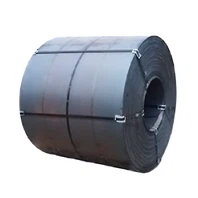
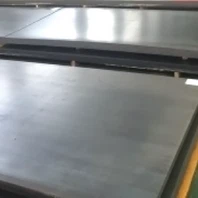
Hey there! As a supplier of A387 steel plates, I've seen firsthand how crucial it is to weld this material properly. A387 steel plates are widely used in various industries, especially in pressure vessels and boilers, because of their excellent mechanical properties and high-temperature resistance. In this blog, I'll share some tips on how to weld A387 steel plates like a pro.

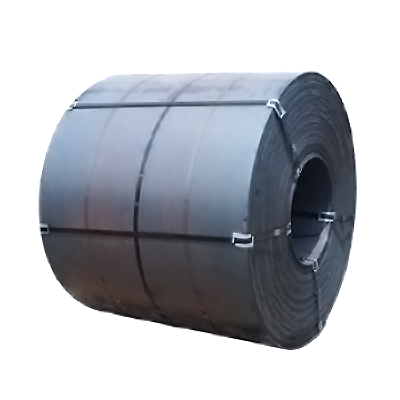
Understanding A387 Steel Plate
Before we dive into the welding process, let's take a quick look at what A387 steel plates are. A387 steel is a chromium-molybdenum alloy steel designed for use in elevated-temperature service. It comes in different grades, such as SA387GR11 SA387GR11 A387 steel plate, each with its own unique properties and applications.
The high chromium and molybdenum content in A387 steel gives it good strength, toughness, and resistance to corrosion and oxidation at high temperatures. This makes it ideal for applications where the steel will be exposed to harsh conditions, such as in power plants, chemical processing plants, and oil refineries.
Preparing for Welding
Proper preparation is the key to successful welding. Here are some steps you should take before you start welding A387 steel plates:
Cleaning the Plates
The first step is to clean the surfaces of the A387 steel plates. Any dirt, rust, oil, or paint on the plates can affect the quality of the weld. You can use a wire brush, grinder, or chemical cleaner to remove these contaminants. Make sure the plates are completely dry before you start welding.
Beveling the Edges
Depending on the thickness of the plates and the type of joint you're making, you may need to bevel the edges of the plates. Beveling helps to create a better fit between the plates and allows for better penetration of the weld. You can use a cutting torch, grinder, or milling machine to bevel the edges.
Preheating the Plates
Preheating is an important step when welding A387 steel plates. Preheating helps to reduce the cooling rate of the weld, which can prevent cracking and improve the toughness of the weld. The preheating temperature depends on the grade of the A387 steel and the thickness of the plates. Generally, the preheating temperature ranges from 150°C to 300°C (300°F to 570°F).
Selecting the Right Welding Consumables
Choosing the right welding consumables is crucial for achieving a high-quality weld. You should select welding electrodes or filler metals that are compatible with the A387 steel plates. The welding consumables should have similar chemical composition and mechanical properties to the base metal. For example, if you're welding SA387GR11 A387 steel plates, you can use E8018-B2 electrodes.
Welding Process
Once you've prepared the plates and selected the right welding consumables, it's time to start welding. Here are some tips on how to weld A387 steel plates using different welding processes:
Shielded Metal Arc Welding (SMAW)
SMAW, also known as stick welding, is a popular welding process for A387 steel plates. It's a relatively simple and inexpensive process that can be used in a variety of applications. Here's how to weld A387 steel plates using SMAW:
- Set the welding machine to the appropriate amperage and voltage based on the thickness of the plates and the size of the electrode.
- Hold the electrode at a 70° to 80° angle to the workpiece and start the arc by striking the electrode against the plate.
- Move the electrode in a steady, circular motion to create a smooth weld bead.
- Keep the arc length short to prevent porosity and ensure good penetration.
- After each pass, allow the weld to cool slightly before starting the next pass.
Gas Tungsten Arc Welding (GTAW)
GTAW, also known as TIG welding, is a high-quality welding process that's often used for welding thin A387 steel plates or for making precision welds. Here's how to weld A387 steel plates using GTAW:
- Set the welding machine to the appropriate amperage and voltage based on the thickness of the plates and the size of the tungsten electrode.
- Use a shielding gas, such as argon or helium, to protect the weld from oxidation.
- Hold the tungsten electrode at a 10° to 15° angle to the workpiece and start the arc by using a high-frequency starter or by scratching the electrode against the plate.
- Feed the filler metal into the weld pool at a steady rate to create a smooth weld bead.
- Keep the arc length short and the welding speed consistent to ensure good penetration and a high-quality weld.
Gas Metal Arc Welding (GMAW)
GMAW, also known as MIG welding, is a fast and efficient welding process that's often used for welding thick A387 steel plates. Here's how to weld A387 steel plates using GMAW:
- Set the welding machine to the appropriate amperage, voltage, and wire feed speed based on the thickness of the plates and the size of the welding wire.
- Use a shielding gas, such as a mixture of argon and carbon dioxide, to protect the weld from oxidation.
- Hold the welding gun at a 10° to 15° angle to the workpiece and start the arc by pressing the trigger on the gun.
- Move the welding gun in a steady, straight motion to create a smooth weld bead.
- Keep the contact tip of the welding gun clean and replace it regularly to ensure good electrical conductivity.
Post-Welding Treatment
After you've finished welding the A387 steel plates, it's important to perform some post-welding treatment to ensure the quality and integrity of the weld. Here are some post-welding treatments you can perform:
Post-Weld Heat Treatment (PWHT)
PWHT is a heat treatment process that's used to relieve residual stresses in the weld and improve the toughness and ductility of the weld. The PWHT temperature and time depend on the grade of the A387 steel and the thickness of the plates. Generally, the PWHT temperature ranges from 600°C to 700°C (1100°F to 1300°F), and the holding time ranges from 1 to 4 hours.
Inspection
After the PWHT, you should inspect the weld for any defects, such as cracks, porosity, or lack of fusion. You can use non-destructive testing methods, such as ultrasonic testing, radiographic testing, or magnetic particle testing, to detect these defects. If any defects are found, you should repair them before the plates are put into service.
Other Considerations
In addition to the above steps, there are some other considerations you should keep in mind when welding A387 steel plates:
- Welding in a well-ventilated area to prevent the inhalation of harmful fumes and gases.
- Using personal protective equipment, such as welding gloves, goggles, and a welding helmet, to protect yourself from the heat, sparks, and radiation.
- Following the welding procedures and specifications provided by the manufacturer of the A387 steel plates.
- Keeping a record of the welding process, including the welding parameters, preheating temperature, and post-weld heat treatment, for quality control purposes.
Conclusion
Welding A387 steel plates properly requires careful preparation, the right welding consumables, and the correct welding techniques. By following the tips and guidelines outlined in this blog, you can ensure that your A387 steel plate welds are of high quality and meet the requirements of your application.
If you're in the market for A387 steel plates or have any questions about welding them, feel free to reach out to us. We're a leading supplier of A387 steel plates and can provide you with high-quality products and expert advice. Contact us today to start the procurement process and discuss your specific needs.
References
- AWS D1.1/D1.1M:2020, Structural Welding Code - Steel
- ASME Boiler and Pressure Vessel Code, Section IX, Welding and Brazing Qualifications
- Manufacturer's specifications for A387 steel plates