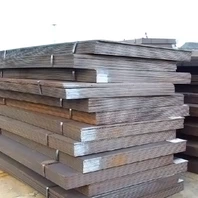
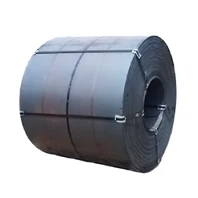
When it comes to the heavy plate industry, ensuring the safe transportation of heavy plates is of paramount importance. As a heavy plate supplier, I understand the challenges and risks associated with moving these large and hefty materials from one place to another. In this blog, I will share some essential tips and best practices on how to transport heavy plates safely.
Understanding the Characteristics of Heavy Plates
Before delving into the transportation methods, it's crucial to understand the unique characteristics of heavy plates. Heavy plates are typically thick, large in size, and extremely heavy. They can be made from various materials, such as carbon steel, alloy steel, and stainless steel, each with its own set of properties. The weight and size of heavy plates make them challenging to handle and transport, and any improper handling can lead to damage, accidents, and safety hazards.

Planning the Transportation
Proper planning is the first step in ensuring the safe transportation of heavy plates. Here are some key aspects to consider during the planning phase:
- Route Selection: Choose the most suitable route for transporting the heavy plates. Consider factors such as road conditions, traffic volume, bridge clearances, and weight restrictions. Avoid routes with narrow roads, sharp turns, or low bridges that may pose challenges for the transportation vehicle.
- Vehicle Selection: Select a vehicle that is capable of carrying the weight and size of the heavy plates. Ensure that the vehicle is in good condition, with proper brakes, tires, and suspension. Consider using specialized heavy transport vehicles, such as flatbed trucks or trailers, that are designed to carry heavy loads.
- Loading and Unloading Points: Identify the loading and unloading points in advance. Ensure that these points have sufficient space, proper equipment, and trained personnel to handle the heavy plates safely. Consider the accessibility of the loading and unloading points, as well as any potential obstacles or hazards.
- Weather Conditions: Check the weather forecast before transporting the heavy plates. Avoid transporting heavy plates in adverse weather conditions, such as heavy rain, snow, or high winds, which can increase the risk of accidents and damage.
Preparing the Heavy Plates for Transportation
Proper preparation of the heavy plates is essential to ensure their safe transportation. Here are some steps to follow:
- Inspection: Inspect the heavy plates for any damage or defects before transportation. Check for cracks, dents, or other signs of damage that may affect the integrity of the plates. If any damage is found, repair or replace the damaged plates before transportation.
- Cleaning: Clean the heavy plates to remove any dirt, debris, or rust that may affect their surface quality. Use a suitable cleaning agent and equipment to ensure that the plates are clean and dry before transportation.
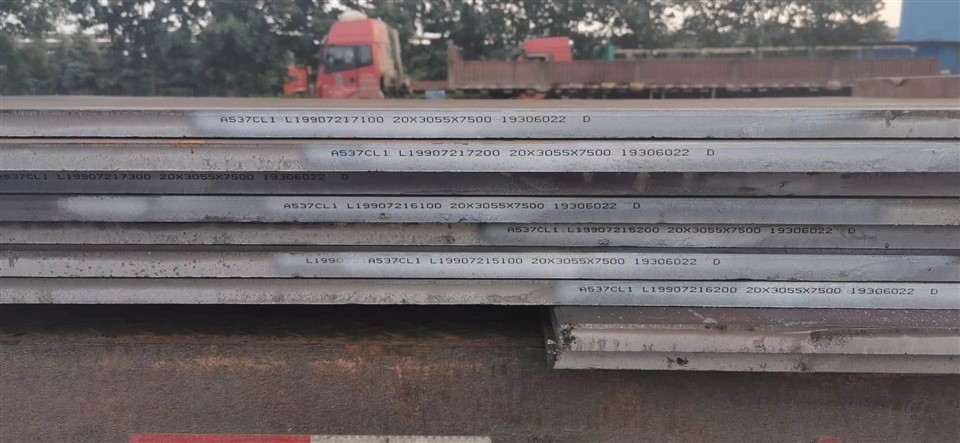
- Marking and Labeling: Mark and label the heavy plates with relevant information, such as the plate size, weight, grade, and destination. This will help to ensure that the plates are loaded and unloaded correctly and that they are delivered to the right location.
- Securing the Plates: Secure the heavy plates to the transportation vehicle to prevent them from shifting or moving during transit. Use appropriate securing devices, such as straps, chains, or clamps, to hold the plates in place. Ensure that the securing devices are tight and properly installed.
Loading the Heavy Plates
Loading the heavy plates onto the transportation vehicle requires careful planning and execution. Here are some tips to follow:
- Use Proper Equipment: Use appropriate equipment, such as cranes, forklifts, or hoists, to load the heavy plates onto the transportation vehicle. Ensure that the equipment is in good condition and that it is capable of lifting and moving the heavy plates safely.
- Position the Plates Correctly: Position the heavy plates on the transportation vehicle in a stable and balanced manner. Ensure that the plates are centered on the vehicle and that they are evenly distributed to prevent overloading on one side.
- Secure the Plates: Once the heavy plates are loaded onto the transportation vehicle, secure them to the vehicle using appropriate securing devices. Ensure that the plates are tightly secured and that they cannot move or shift during transit.
- Check the Load: After loading the heavy plates, check the load to ensure that it is stable and secure. Check the securing devices to ensure that they are tight and properly installed. Make any necessary adjustments to the load or the securing devices before starting the journey.
Transporting the Heavy Plates
During the transportation of the heavy plates, it is important to take precautions to ensure their safety. Here are some tips to follow:
- Drive Carefully: Drive the transportation vehicle carefully and at a safe speed. Follow all traffic rules and regulations, and avoid sudden stops, starts, or turns. Be aware of the weight and size of the load, and adjust your driving accordingly.
- Monitor the Load: Regularly monitor the load during transit to ensure that the heavy plates are secure and that they have not shifted or moved. Check the securing devices to ensure that they are still tight and properly installed. If any issues are detected, stop the vehicle immediately and take appropriate action.
- Communicate with the Driver: Maintain communication with the driver during the transportation of the heavy plates. Provide the driver with any relevant information, such as the route, loading and unloading points, and any special instructions. Ensure that the driver is aware of the importance of safe transportation and that they are trained to handle the heavy plates.
- Follow Safety Procedures: Follow all safety procedures and guidelines during the transportation of the heavy plates. Wear appropriate personal protective equipment, such as hard hats, safety glasses, and gloves. Use caution when handling the heavy plates, and avoid any unnecessary risks.
Unloading the Heavy Plates
Unloading the heavy plates from the transportation vehicle requires the same level of care and attention as loading them. Here are some tips to follow:
- Use Proper Equipment: Use appropriate equipment, such as cranes, forklifts, or hoists, to unload the heavy plates from the transportation vehicle. Ensure that the equipment is in good condition and that it is capable of lifting and moving the heavy plates safely.
- Position the Plates Correctly: Position the heavy plates at the unloading point in a stable and balanced manner. Ensure that the plates are centered on the unloading area and that they are evenly distributed to prevent overloading on one side.
- Secure the Plates: Once the heavy plates are unloaded, secure them to the ground or to a storage rack using appropriate securing devices. Ensure that the plates are tightly secured and that they cannot move or shift.
- Inspect the Plates: Inspect the heavy plates after unloading to ensure that they are in good condition and that they have not been damaged during transportation. Check for any signs of damage, such as cracks, dents, or scratches, and report any issues to the relevant personnel.
Conclusion
Transporting heavy plates safely requires careful planning, proper preparation, and strict adherence to safety procedures. As a heavy plate supplier, I am committed to ensuring the safe transportation of our products to our customers. By following the tips and best practices outlined in this blog, you can minimize the risk of accidents and damage during the transportation of heavy plates.
If you are in the market for high-quality heavy plates, we offer a wide range of products, including A537CL1 A537CL2 A537CL3 Asme Sa516, SM490A JISG3106 SM490, and S355JR. Our heavy plates are manufactured to the highest standards, ensuring their quality and reliability. Contact us today to discuss your heavy plate requirements and to learn more about our transportation services.
References
- "Heavy Haul Trucking: A Guide to Transporting Oversized and Overweight Loads." Federal Motor Carrier Safety Administration.
- "Safe Loading and Unloading of Heavy Equipment." Occupational Safety and Health Administration.
- "Transporting Heavy Loads: Best Practices and Safety Tips." Transportation Research Board.