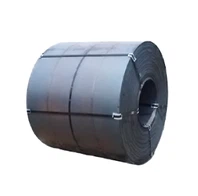
Hey there, folks! As a supplier of pipeline plate X60, I've seen firsthand how crucial it is to accurately test the impact toughness of this material. Impact toughness is a measure of a material's ability to absorb energy and resist fracture under impact loading. For pipeline plate X60, which is used in oil and gas pipelines that often face harsh environmental conditions and dynamic loads, precise testing of impact toughness ensures the safety and reliability of the entire pipeline system. So, let's dive into how to test the impact toughness of pipeline plate X60 accurately.
Understanding the Basics of Impact Toughness
Before we get into the testing methods, it's important to know a bit about impact toughness. Simply put, impact toughness reflects how well a material can handle sudden stress or shock. Materials with high impact toughness can absorb a large amount of energy before breaking, while those with low impact toughness are more likely to fracture easily under impact.
For pipeline plate X60, factors like its chemical composition, microstructure, and manufacturing process can all affect its impact toughness. For example, elements like manganese, nickel, and chromium can enhance the toughness of the steel, while defects in the microstructure, such as inclusions or voids, can reduce it.
Selecting the Right Testing Method
There are several methods available for testing impact toughness, but the most commonly used one for pipeline plate X60 is the Charpy impact test. The Charpy test is straightforward and widely recognized in the industry. Here's how it works:
- Sample Preparation: You need to cut a small, rectangular piece from the pipeline plate X60. The size and shape of the sample are strictly defined in relevant standards. Usually, the sample has a specific notch in the middle, which is used to concentrate the stress during the impact.
- Test Setup: The prepared sample is placed on a support in a Charpy impact testing machine. The machine has a pendulum that is raised to a certain height and then released to strike the sample at the notch.
- Running the Test: When the pendulum strikes the sample, the energy absorbed by the sample during fracture is measured. This absorbed energy is an indicator of the impact toughness of the pipeline plate X60.
It's important to note that the test should be conducted at a specified temperature. For pipeline applications, the test is often carried out at low temperatures, such as -20°C or -40°C, because pipelines may operate in cold environments.
Ensuring Test Accuracy
To get accurate test results, several key steps need to be taken.
Sample Preparation
- Clean and Precise Machining: The sample should be cleaned thoroughly to remove any surface contaminants, such as oil, rust, or dirt. When machining the sample, the dimensions and the notch shape must meet the standard requirements precisely. Any deviation can lead to inaccurate test results.
- Representative Sampling: The sample should be taken from a representative part of the pipeline plate X60. This means avoiding areas with obvious defects, such as cracks or inclusions, and ensuring that the sample reflects the overall properties of the material.
Testing Environment
- Temperature Control: As mentioned earlier, temperature has a significant impact on the impact toughness of pipeline plate X60. Therefore, the test environment should be carefully controlled. Use a reliable temperature control system to ensure that the test temperature is stable and within the specified range.
- Machine Calibration: Regularly calibrate the Charpy impact testing machine to ensure its accuracy. Check the pendulum's energy, the alignment of the sample support, and the measurement system. Any inaccuracies in the machine can directly affect the test results.
Multiple Tests
Conducting multiple tests on different samples from the same batch of pipeline plate X60 is a good practice. This helps to reduce the influence of random factors and provides a more reliable average value of impact toughness. Calculate the standard deviation of the test results to evaluate the consistency of the material.
Comparing with Other Pipeline Plates
It's also interesting to compare the impact toughness of pipeline plate X60 with other similar products. For example, the LX56 Pipe Line Plate X60 and LX46 Pipe Line Plate X46 are also commonly used in pipeline construction. By comparing their impact toughness values, you can better understand the performance differences between these materials and make more informed decisions when choosing the right pipeline plate for your project.
Another high-performance option is LX70, which may have different chemical compositions and mechanical properties compared to pipeline plate X60. Understanding these differences can help you select the most suitable material based on your specific requirements, such as operating temperature, pressure, and environmental conditions.
Importance of Accurate Testing for Suppliers
As a supplier of pipeline plate X60, accurate testing of impact toughness is of utmost importance to us. Firstly, it helps us ensure the quality of our products. By providing accurate and reliable test results, we can prove to our customers that our pipeline plates meet the required standards and can perform well under various conditions.

Secondly, accurate testing allows us to continuously improve our manufacturing process. If we find that the impact toughness of a certain batch of products is not up to standard, we can analyze the reasons, such as adjusting the chemical composition or optimizing the heat treatment process, to improve the quality of subsequent products.
Conclusion
Accurately testing the impact toughness of pipeline plate X60 is a complex but essential task. By understanding the basics of impact toughness, selecting the right testing method, ensuring test accuracy, and comparing with other products, we can provide high - quality pipeline plates that meet the strict requirements of the oil and gas industry.
If you're in the market for pipeline plate X60 or have questions about its impact toughness testing, feel free to reach out. We're here to help you make the best choice for your pipeline project.
References
- ASTM E23 - Standard Test Methods for Notched Bar Impact Testing of Metallic Materials
- API 5L - Specification for Line Pipe