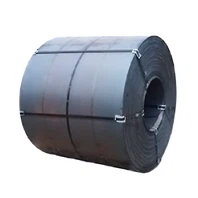
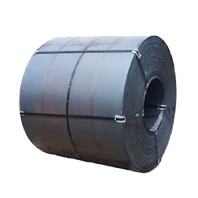
As a supplier of 690QL plates, I understand the significance of the quality inspection report. It serves as a crucial document that provides detailed information about the plate's quality, characteristics, and compliance with industry standards. In this blog post, I will guide you through the process of reading a 690QL plate quality inspection report, enabling you to make informed decisions when purchasing these plates.
Understanding the Basics
Before delving into the specifics of the quality inspection report, it's essential to have a basic understanding of 690QL plates. These are high-strength quenched and tempered steel plates that are widely used in various industries, including construction, mining, and machinery manufacturing. The "690" in the name refers to the minimum yield strength of the plate, which is 690 MPa. The "QL" indicates that the plate is quenched and tempered, a heat treatment process that enhances its strength and toughness.
Structure of the Quality Inspection Report
A typical quality inspection report for 690QL plates contains several sections, each providing specific information about the plate. Here's a breakdown of the main sections:
1. General Information
This section includes basic details about the plate, such as the manufacturer's name, the plate's batch number, size (thickness, width, and length), and the date of production. The batch number is particularly important as it allows you to trace the plate back to its production batch, which can be useful for quality control and traceability purposes.
2. Chemical Composition
The chemical composition of the 690QL plate is a critical factor that determines its mechanical properties. This section of the report lists the percentage of various elements present in the plate, such as carbon (C), silicon (Si), manganese (Mn), phosphorus (P), sulfur (S), chromium (Cr), nickel (Ni), and molybdenum (Mo). Each element plays a specific role in the plate's performance. For example, carbon increases the strength of the steel, while sulfur and phosphorus are impurities that need to be kept at low levels to ensure good weldability and ductility.
3. Mechanical Properties
The mechanical properties section provides information about the plate's strength, hardness, and toughness. Key parameters include the yield strength, tensile strength, elongation, and impact toughness.
- Yield Strength: This is the stress at which the plate begins to deform plastically. For 690QL plates, the minimum yield strength should be 690 MPa.
- Tensile Strength: It is the maximum stress the plate can withstand before breaking. A higher tensile strength indicates better resistance to pulling forces.
- Elongation: This measures the ability of the plate to stretch before breaking. A higher elongation percentage indicates better ductility.
- Impact Toughness: It represents the plate's ability to absorb energy during impact loading. This is usually measured by the Charpy V-notch test at a specific temperature, such as -20°C or -40°C.
4. Non-Destructive Testing (NDT) Results
Non-destructive testing methods are used to detect internal and surface defects in the plate without causing damage. Common NDT methods include ultrasonic testing (UT), magnetic particle testing (MT), and penetrant testing (PT). The report will indicate whether the plate has passed these tests and provide details about any detected defects, such as their location, size, and type.
5. Heat Treatment Information
As 690QL plates are quenched and tempered, this section of the report provides details about the heat treatment process, including the quenching temperature, tempering temperature, and holding time. Proper heat treatment is crucial for achieving the desired mechanical properties of the plate.
6. Certification and Compliance
The report should also include information about the plate's certification and compliance with relevant standards. For 690QL plates, common standards include national and international standards such as ASTM, EN, or Chinese standards. Compliance with these standards ensures that the plate meets the required quality and safety requirements.
Interpreting the Results
Now that you understand the structure of the quality inspection report, let's discuss how to interpret the results.
1. Chemical Composition
Compare the reported chemical composition with the specified requirements. Any significant deviation from the standard composition may affect the plate's mechanical properties. For example, if the carbon content is too high, the plate may become brittle and difficult to weld.
2. Mechanical Properties
Ensure that the yield strength, tensile strength, elongation, and impact toughness meet the specified values. If the values are below the minimum requirements, the plate may not perform as expected in your application. For instance, low impact toughness at low temperatures can lead to brittle fracture in cold environments.


3. NDT Results
A clean NDT report indicates that the plate is free from significant internal and surface defects. If any defects are detected, assess their severity and whether they are acceptable for your application. Minor defects may be acceptable, while major defects may require further evaluation or rejection of the plate.
4. Heat Treatment Information
Verify that the heat treatment parameters are within the recommended range. Improper heat treatment can result in inconsistent mechanical properties and reduced performance.
Related High-Strength Plates
In addition to 690QL plates, there are other high-strength plates available in the market, such as S890QL1, A514GRE Astm A514, and S960QL. These plates have different chemical compositions and mechanical properties, which make them suitable for different applications. When choosing a high-strength plate, consider your specific requirements, such as the required strength, toughness, and corrosion resistance.
Conclusion
Reading a 690QL plate quality inspection report is a crucial step in ensuring that you receive high-quality plates that meet your requirements. By understanding the different sections of the report and how to interpret the results, you can make informed decisions when purchasing these plates. If you have any questions or need further assistance in selecting the right 690QL plates for your project, feel free to contact us. We are a reliable supplier of 690QL plates and are committed to providing you with the best products and services.
References
- ASTM International standards on high-strength steel plates
- European Committee for Standardization (CEN) standards related to quenched and tempered steel plates
- Manufacturer's technical documentation on 690QL plates