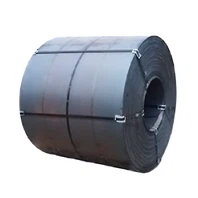
As a high strength plate supplier, I've encountered numerous inquiries regarding the sound - insulation performance of high strength plates. This issue is crucial, especially in environments where noise control is a priority, such as industrial facilities, construction sites, and even some residential areas. In this blog, I'll share some effective ways to enhance the sound - insulation performance of high strength plates.
Understanding the Basics of Sound Insulation
Before delving into the improvement methods, it's essential to understand how sound insulation works. Sound travels in waves, and when these waves hit a high strength plate, part of the energy is reflected, part is absorbed, and part is transmitted through the plate. The goal of sound insulation is to minimize the transmitted sound energy.
The sound - insulation performance of a high strength plate is mainly determined by its mass, stiffness, and damping properties. Generally, heavier plates tend to have better sound - insulation performance because they can resist the vibration caused by sound waves more effectively. Stiffness also plays a role, as a stiffer plate is less likely to vibrate in response to sound waves. Damping, on the other hand, helps to dissipate the energy of the vibrating plate, reducing the sound transmission.
Selecting the Right High Strength Plate
The first step in improving sound - insulation performance is to choose the appropriate high strength plate. Different types of high strength plates have different physical properties, which directly affect their sound - insulation capabilities.
For example, S890QL1 is a high - strength structural steel plate with excellent mechanical properties. Its high density and stiffness make it a good candidate for sound - insulation applications. Similarly, S550QL Astm A514 Steel Plate is another option. It has a relatively high mass per unit area, which helps to block sound waves. S690QL1 is also known for its strength and can be used in situations where sound insulation is required.
When selecting a plate, consider its thickness as well. Thicker plates generally offer better sound - insulation performance than thinner ones. However, the choice of thickness should also take into account the specific application requirements, such as the available space and the load - bearing capacity.
Using Sound - Absorbing Materials
In addition to selecting the right high strength plate, using sound - absorbing materials can significantly improve the overall sound - insulation performance. Sound - absorbing materials work by converting the sound energy into heat energy through friction and other mechanisms.
One common type of sound - absorbing material is fiberglass insulation. Fiberglass has a porous structure that allows sound waves to enter and be trapped inside. As the sound waves travel through the fiberglass, they cause the fibers to vibrate, and the energy is dissipated as heat. Another option is mineral wool, which also has good sound - absorbing properties.
These sound - absorbing materials can be installed on one or both sides of the high strength plate. For example, in a building wall, a layer of fiberglass insulation can be placed between two high strength plates. This combination not only enhances the sound - insulation performance but also provides additional thermal insulation benefits.
Designing a Composite Structure
Designing a composite structure is another effective way to improve the sound - insulation performance of high strength plates. A composite structure consists of multiple layers of different materials, each with its own function.
One common composite structure is a sandwich panel, which typically consists of a core material sandwiched between two high strength plates. The core material can be a lightweight foam or honeycomb structure. The foam or honeycomb core helps to reduce the transmission of sound waves by absorbing and dissipating the energy. At the same time, the high strength plates on the outside provide the necessary structural support.
Another type of composite structure is a double - walled structure. In a double - walled structure, two high strength plates are separated by an air gap. The air gap acts as a buffer, reducing the direct transmission of sound waves from one plate to the other. The width of the air gap can be adjusted to optimize the sound - insulation performance.
Sealing and Jointing
Proper sealing and jointing are crucial for ensuring the sound - insulation performance of high strength plates. Even a small gap or crack in the plate or at the joints can significantly reduce the sound - insulation effectiveness.
When installing high strength plates, use high - quality sealants to fill any gaps between the plates and around the edges. Sealants can prevent sound waves from leaking through the gaps. Additionally, ensure that the joints between the plates are properly aligned and tightened. For example, using bolts or welding to connect the plates can provide a more secure and air - tight joint.
Regular Maintenance and Inspection
Regular maintenance and inspection are essential to maintain the sound - insulation performance of high strength plates over time. Over time, the high strength plates may be subject to wear and tear, and the sound - absorbing materials may deteriorate.


Inspect the plates regularly for any signs of damage, such as cracks or corrosion. If any damage is found, repair or replace the affected parts immediately. Also, check the sound - absorbing materials to ensure that they are still in good condition. If the materials have become compressed or damaged, replace them to restore the sound - insulation performance.
Conclusion
Improving the sound - insulation performance of high strength plates requires a comprehensive approach, including selecting the right plate, using sound - absorbing materials, designing a composite structure, proper sealing and jointing, and regular maintenance and inspection. As a high strength plate supplier, I am committed to providing high - quality products and technical support to help our customers achieve the best sound - insulation results.
If you are interested in our high strength plates and would like to discuss your specific sound - insulation requirements, please feel free to contact us for a detailed consultation. We look forward to working with you to find the most suitable solutions for your projects.
References
- Beranek, Leo L. Noise and Vibration Control. McGraw - Hill, 1971.
- Craik, R. J. M. Structural Adhesives: Chemistry and Technology. Elsevier, 1998.
- Fahy, Frank J. Foundations of Engineering Acoustics. Academic Press, 2001.