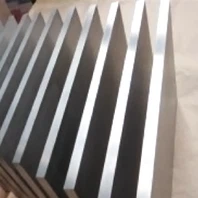
Hey there! I'm a supplier of ASTM A537CL2, and today I want to dig into how the thickness of this material affects its properties. ASTM A537CL2 is a high-quality steel plate mainly used in pressure vessels, storage tanks, and other critical applications where reliability and performance are key.
Let's start with the basics. ASTM A537CL2 is a quenched and tempered carbon-manganese-silicon steel plate. It offers excellent toughness, weldability, and strength, making it a top choice in the industry. But here's the thing - the thickness of the plate can have a significant impact on these properties.
Mechanical Properties
One of the most noticeable effects of thickness on ASTM A537CL2 is on its mechanical properties. As the thickness increases, the strength of the material generally goes up. This is because thicker plates tend to have a more refined grain structure due to the slower cooling rate during the quenching process. A finer grain structure means more grain boundaries, which act as barriers to dislocation movement, thus increasing the strength of the steel.
However, there's a trade-off. While the strength increases with thickness, the ductility and toughness can decrease. Thicker plates are more prone to internal stresses and inhomogeneities during the heat treatment process. These internal stresses can lead to the formation of microcracks and other defects, reducing the ability of the material to deform plastically without fracturing. In practical terms, this means that thicker ASTM A537CL2 plates may be more brittle and less forgiving under impact or dynamic loading conditions.
Weldability
Weldability is another crucial property that's affected by the thickness of ASTM A537CL2. Thinner plates are generally easier to weld compared to thicker ones. When welding thin plates, the heat input can be more evenly distributed, and the risk of distortion and cracking is relatively low. The lower heat input also helps to maintain the integrity of the heat-affected zone (HAZ), which is the area of the base metal that has been affected by the welding heat but not melted.
On the other hand, welding thicker ASTM A537CL2 plates can be more challenging. The higher heat input required to penetrate the thicker material can cause significant distortion and residual stresses in the weld joint. These residual stresses can lead to cracking, especially in the HAZ. To mitigate these issues, preheating and post-weld heat treatment are often necessary when welding thick plates. Preheating helps to reduce the cooling rate of the weld, minimizing the formation of hard and brittle microstructures in the HAZ. Post-weld heat treatment, such as stress relieving, can help to reduce the residual stresses and improve the overall quality of the weld joint.
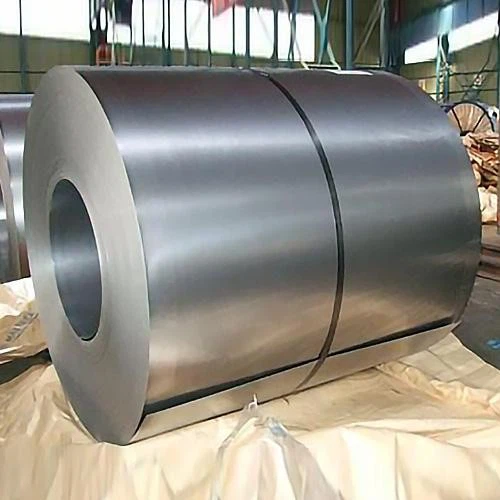
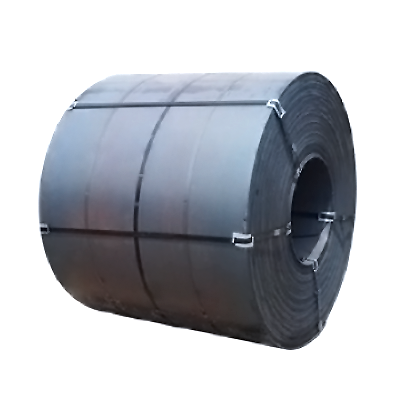
Corrosion Resistance
The thickness of ASTM A537CL2 can also have an impact on its corrosion resistance. In general, thicker plates offer better corrosion resistance compared to thinner ones. This is because the thicker material provides a greater barrier against corrosive agents. The outer layer of the steel can act as a sacrificial layer, protecting the underlying material from corrosion.
However, the surface finish and the presence of any surface defects can also affect the corrosion resistance of the material. Thicker plates may be more prone to surface imperfections during the manufacturing process, such as scale, pits, and scratches. These surface defects can provide sites for corrosion initiation, reducing the overall corrosion resistance of the plate. To improve the corrosion resistance of ASTM A537CL2, proper surface treatment, such as shot blasting and painting, is often recommended.
Applications
The thickness of ASTM A537CL2 plays a crucial role in determining its suitability for different applications. Thinner plates, typically ranging from 6 mm to 20 mm, are commonly used in applications where weight is a concern, such as in the construction of small pressure vessels and storage tanks. These thinner plates offer good weldability and formability, making them easy to fabricate into complex shapes.
On the other hand, thicker plates, usually over 20 mm, are used in applications where high strength and durability are required, such as in the construction of large pressure vessels and heavy-duty storage tanks. These thicker plates can withstand higher pressures and loads, but they may require more careful handling and fabrication due to their reduced ductility and increased susceptibility to cracking.
Comparison with Other Materials
When considering the thickness and properties of ASTM A537CL2, it's also worth comparing it with other similar materials. For example, P275NL1 is another popular pressure vessel steel. While P275NL1 offers good weldability and toughness, its strength may be lower compared to ASTM A537CL2, especially in thicker sections.
Another material to consider is ASTM A537CL2 SA285GrB. SA285GrB is a lower-cost alternative to ASTM A537CL2, but it may not offer the same level of strength and toughness, especially in thicker plates.
SA387GR11 A387 steel plate is a chromium-molybdenum alloy steel that offers excellent high-temperature strength and creep resistance. However, it may be more expensive and less weldable compared to ASTM A537CL2, especially in thicker sections.
Conclusion
In conclusion, the thickness of ASTM A537CL2 has a significant impact on its mechanical properties, weldability, corrosion resistance, and suitability for different applications. While thicker plates offer higher strength and better corrosion resistance, they may be more challenging to weld and have reduced ductility and toughness. Thinner plates, on the other hand, are easier to fabricate but may not be suitable for applications requiring high strength and durability.
If you're in the market for ASTM A537CL2 or have any questions about its properties and applications, feel free to reach out to me. I'm here to help you find the right material for your specific needs. Whether you need thin or thick plates, I can provide you with high-quality ASTM A537CL2 that meets your requirements. So, don't hesitate to contact me for a quote or to discuss your project in more detail.
References
- ASME Boiler and Pressure Vessel Code
- ASTM International Standards for Steel Plates
- Welding Handbook, American Welding Society