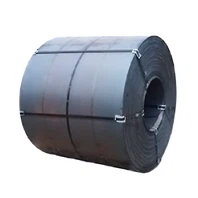
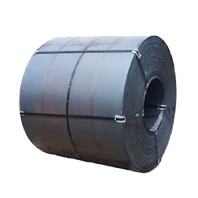
Hey there! As a supplier of Pipe Line Plates, I've seen firsthand how pressure can have a huge impact on their performance. In this blog, I'm gonna break down the relationship between pressure and the performance of Pipe Line Plates, and why it's so important for all of us in the industry to understand.
First off, let's talk about what Pipe Line Plates are. These are specialized steel plates used in the construction of pipelines, which are essential for transporting various fluids like oil, gas, and water over long distances. The quality and performance of these plates are crucial because any failure in the pipeline can lead to serious environmental disasters, economic losses, and safety hazards.
Now, pressure is one of the most significant factors that affect the performance of Pipe Line Plates. When a pipeline is in operation, the fluid inside creates internal pressure. This pressure can vary depending on factors such as the type of fluid, the flow rate, and the elevation changes along the pipeline. High - pressure conditions put a lot of stress on the Pipe Line Plates.
One of the main ways pressure affects Pipe Line Plates is through mechanical stress. When the internal pressure is high, the plates are subjected to tensile stress. Tensile stress tries to pull the material apart. If the pressure is too high and the plate's strength isn't sufficient, it can lead to cracks. These cracks can start small but can grow over time due to cyclic loading (the repeated increase and decrease of pressure as the fluid moves through the pipeline). Once a crack forms, it can quickly propagate, eventually leading to a rupture of the pipeline.
Another aspect is the deformation of the plates. Under high pressure, Pipe Line Plates can deform. This deformation can be elastic or plastic. Elastic deformation is temporary, meaning the plate will return to its original shape once the pressure is removed. However, if the pressure exceeds the elastic limit of the material, plastic deformation occurs. Plastic deformation is permanent and can cause the pipeline to lose its structural integrity. For example, the pipe may bulge in some areas, which can lead to uneven stress distribution and increase the risk of failure.
The corrosion resistance of Pipe Line Plates is also affected by pressure. High - pressure environments can accelerate the corrosion process. When the pressure is high, the fluid can flow more forcefully, which can cause abrasion on the inner surface of the pipe. This abrasion can damage the protective coating on the plate, exposing it to the corrosive elements in the fluid. Additionally, high pressure can change the chemical reactions that occur during corrosion, making it more severe.
Let's take a look at some of the Pipe Line Plates we offer. We have the LX70. This plate is designed to withstand high - pressure conditions. It has a high yield strength, which means it can resist deformation under pressure. The chemical composition of LX70 is carefully engineered to enhance its corrosion resistance, even in high - pressure and corrosive environments.
Then there's the LX65. LX65 is another great option. It offers a good balance between strength and cost - effectiveness. It can handle moderate to high pressures and is suitable for a wide range of pipeline applications.
Our LX56 Pipe Line Plate X60 is also a popular choice. It has been tested under various pressure conditions and has shown excellent performance. It's often used in pipelines where the pressure is not extremely high but still requires a reliable and durable plate.
To ensure the performance of Pipe Line Plates under pressure, proper material selection is key. We need to consider the maximum pressure the pipeline will experience during its operation. This involves detailed engineering calculations and simulations. For example, engineers will analyze the fluid properties, the pipeline layout, and the expected operating conditions to determine the appropriate grade of Pipe Line Plate.
In addition to material selection, proper installation and maintenance are also crucial. During installation, the plates need to be welded correctly. A poor weld can create weak points in the pipeline, which can be easily damaged under pressure. Regular inspections should be carried out to detect any signs of cracks, deformation, or corrosion early on. Non - destructive testing methods like ultrasonic testing and magnetic particle testing can be used to check the integrity of the plates without damaging them.
When it comes to maintenance, if any signs of damage are found, timely repairs should be made. This may involve replacing damaged sections of the pipeline or applying additional protective coatings.


In conclusion, pressure has a profound impact on the performance of Pipe Line Plates. As a supplier, we're committed to providing high - quality plates that can withstand the pressures of different pipeline applications. Whether you're involved in the oil and gas industry, water supply, or any other field that requires pipelines, choosing the right Pipe Line Plate is essential for the safety and efficiency of your operations.
If you're in the market for Pipe Line Plates and want to learn more about how our products can meet your specific pressure requirements, don't hesitate to reach out. We're here to help you make the best choice for your pipeline projects. Let's start a conversation about your needs, and we can work together to find the perfect solution.
References
- ASME B31.8: Gas Transmission and Distribution Piping Systems.
- API 5L: Specification for Line Pipe.
- ASTM A36/A36M: Standard Specification for Carbon Structural Steel.