Hey there! As a supplier of ASTM A514, I've been getting a lot of questions about its forging property. So, I thought I'd sit down and write this blog to share what I know about this amazing material.
What is ASTM A514?
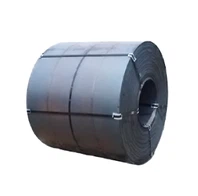
First off, let's quickly cover what ASTM A514 is. ASTM A514 is a high-yield, quenched, and tempered alloy steel plate. It's designed for applications where high strength and good weldability are required. You'll often find it in things like construction equipment, cranes, and bridges. This steel is known for its excellent strength-to-weight ratio, which makes it a popular choice in many industries.
Forging Property Basics
Now, let's dive into the forging property of ASTM A514. Forging is a manufacturing process where metal is shaped by applying compressive forces. When it comes to ASTM A514, its forging property is quite unique and important for various reasons.
One of the key aspects of the forging property of ASTM A514 is its ability to withstand high temperatures during the forging process. This steel has a relatively high melting point, which means it can be heated to a suitable forging temperature without losing its structural integrity. The typical forging temperature range for ASTM A514 is around 1700 - 2200°F (927 - 1204°C). This wide temperature range gives forgers some flexibility in the process.
Another important factor is the steel's ductility. Ductility refers to the ability of a material to deform under tensile stress without breaking. ASTM A514 has good ductility, which is crucial during forging. It allows the steel to be shaped into different forms, like bars, billets, or complex components, without cracking or fracturing. This means that forgers can create parts with intricate designs and precise dimensions.
Advantages of Forging ASTM A514
There are several advantages to forging ASTM A514. First of all, forging can improve the mechanical properties of the steel. When the steel is forged, the internal grain structure is refined, which leads to increased strength and toughness. This makes the forged parts more reliable and durable, especially in high-stress applications.
Forging also allows for better control over the shape and size of the final product. Unlike casting, where there can be issues with porosity and uneven density, forging produces parts with a more uniform structure. This results in better performance and fewer defects.
In addition, forging ASTM A514 can enhance its fatigue resistance. Fatigue resistance is the ability of a material to withstand repeated loading and unloading without failing. In applications like construction equipment and bridges, where the parts are subjected to cyclic stresses, good fatigue resistance is essential. Forged ASTM A514 parts can last longer and require less maintenance.
Challenges in Forging ASTM A514
Of course, forging ASTM A514 isn't without its challenges. One of the main challenges is the high strength of the steel. Because ASTM A514 is a high-yield steel, it requires more force to deform during forging. This means that forging equipment needs to be powerful enough to handle the material. Specialized forging presses and hammers are often used to ensure that the steel can be shaped properly.
Another challenge is the potential for cracking during the forging process. If the steel is not heated or cooled at the right rate, it can develop internal stresses that lead to cracking. Forgers need to carefully control the temperature and the forging speed to minimize this risk. Heat treatment after forging is also important to relieve any residual stresses and improve the overall quality of the part.
Comparison with Other High-Strength Steels
It's also interesting to compare the forging property of ASTM A514 with other high-strength steels. For example, S890QL1, S890QL, and S960QL are also popular high-strength steels. While these steels have similar strength levels, their forging properties can vary.
ASTM A514 generally has better ductility compared to some of these other steels, which makes it easier to forge into complex shapes. However, S890QL1, S890QL, and S960QL may have higher strength-to-weight ratios in certain applications. The choice between these steels depends on the specific requirements of the project, such as the desired shape, strength, and cost.
Tips for Forging ASTM A514
If you're planning to forge ASTM A514, here are some tips to keep in mind. First, make sure you have the right equipment. As I mentioned earlier, powerful forging presses or hammers are necessary to handle the high strength of the steel. You also need to have a reliable heating system to reach the appropriate forging temperature.
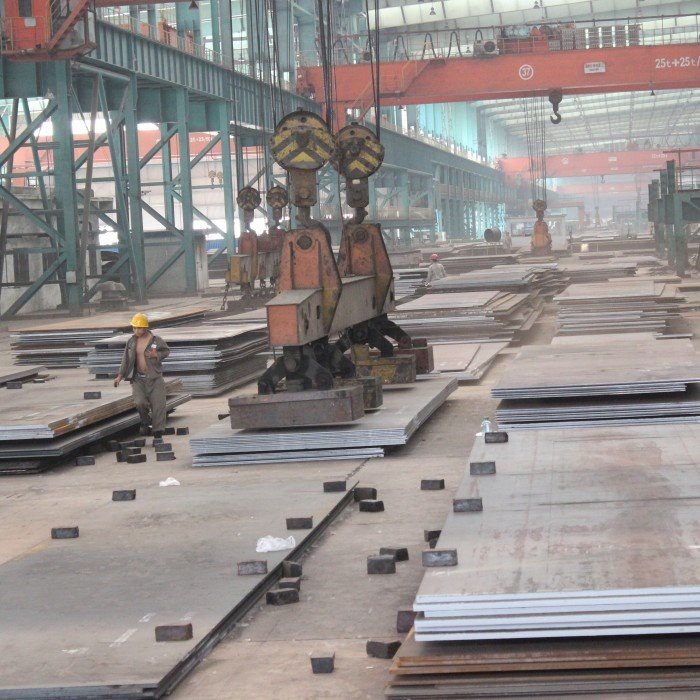
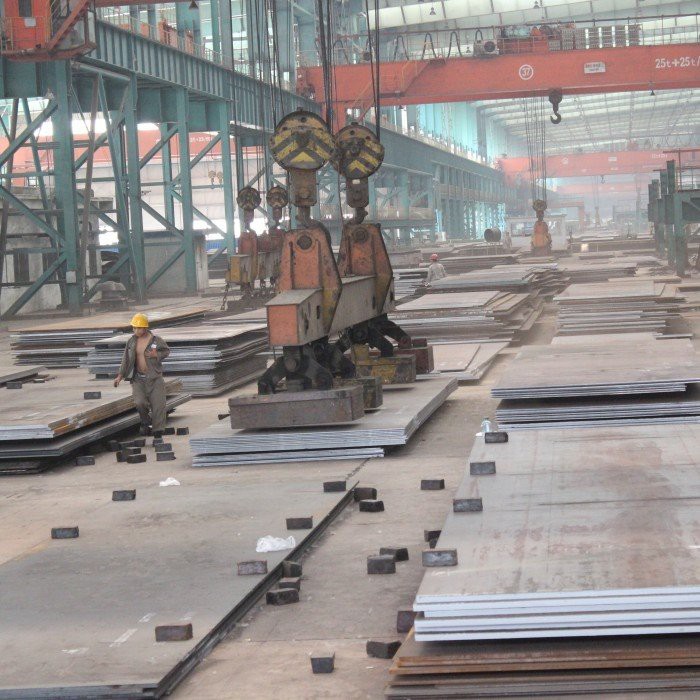
Second, pay close attention to the temperature control. Use thermocouples or infrared thermometers to monitor the temperature accurately. Heating the steel too quickly or cooling it too rapidly can cause problems, so follow a proper heating and cooling schedule.
Finally, consider heat treatment after forging. This can help to improve the mechanical properties of the part and relieve any residual stresses. Common heat treatment processes for ASTM A514 include quenching and tempering.
Conclusion
In conclusion, the forging property of ASTM A514 is a crucial aspect that makes it a great choice for many high-stress applications. Its ability to withstand high temperatures, good ductility, and the potential for improved mechanical properties through forging make it a versatile material. While there are some challenges in forging this steel, with the right equipment and techniques, it can be forged into high-quality parts.
If you're in the market for ASTM A514 or have any questions about its forging property, don't hesitate to reach out. I'm here to help you find the right solution for your project. Whether you need a small quantity for a prototype or a large order for a big construction project, I can provide you with high-quality ASTM A514 products. Let's start a conversation and see how we can work together!
References
- ASTM International standards for A514 steel.
- Technical literature on high-strength steel forging processes.