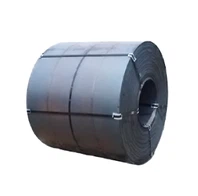
Hey there! I'm a supplier of pipeline plate X52, and today I wanna chat about the role of nickel in this type of pipeline plate.
First off, let's understand what pipeline plate X52 is. It's a high - strength, low - alloy steel plate that's widely used in the construction of oil and gas pipelines. These pipelines need to withstand high pressure, harsh environmental conditions, and long - term corrosion. That's where nickel comes in.
1. Strengthening the Pipeline Plate
Nickel is a key alloying element that significantly enhances the strength of pipeline plate X52. When added to the steel, nickel forms a solid - solution with iron. This solid - solution strengthening mechanism makes the steel structure more compact and resistant to deformation.
Under high - pressure conditions, like those inside an oil or gas pipeline, the pipeline plate needs to be strong enough to prevent bursting. The presence of nickel helps the X52 plate maintain its shape and integrity. For example, in deep - sea pipelines where the external pressure is extremely high, the strength provided by nickel is crucial. It allows the pipeline to handle the pressure without any structural failures.
2. Improving Toughness
Toughness is another important property for pipeline plate X52. It refers to the ability of the material to absorb energy and deform plastically before fracturing. Nickel plays a vital role in improving the toughness of the pipeline plate.
In cold environments, which are common in many regions where pipelines are laid, the steel can become brittle. However, nickel helps to reduce the ductile - to - brittle transition temperature. This means that even at low temperatures, the X52 pipeline plate remains tough and less likely to crack. For instance, in Arctic regions where the temperature can drop well below freezing, the toughness provided by nickel ensures that the pipeline can operate safely without sudden failures.
3. Enhancing Corrosion Resistance
Corrosion is a major concern for pipeline operators. Pipelines are often exposed to various corrosive substances, such as water, acids, and salts. Nickel improves the corrosion resistance of pipeline plate X52.
It forms a passive oxide layer on the surface of the steel, which acts as a barrier between the metal and the corrosive environment. This oxide layer prevents the penetration of corrosive agents and protects the underlying steel. In offshore pipelines, where the seawater is highly corrosive, the corrosion - resistant property of nickel - containing X52 pipeline plate is essential for the long - term durability of the pipeline.
4. Comparison with Other Pipeline Plates
Now, let's compare pipeline plate X52 with some other types of pipeline plates, like LX80, LX560, and LX42 Pipe Line Plate.
LX80 is a higher - strength pipeline plate compared to X52. While it also contains nickel, the amount and the way it's alloyed might be different. LX80 is designed for more demanding applications where extremely high strength is required, such as in high - pressure gas transmission pipelines. However, X52 with its appropriate amount of nickel still offers a good balance between strength, toughness, and cost - effectiveness for many standard pipeline projects.
LX560 is a specialized pipeline plate with unique properties. It might have different alloying elements in addition to nickel to meet specific performance requirements. But again, nickel in X52 gives it a competitive edge in terms of corrosion resistance and toughness, which are important for general pipeline applications.
LX42 Pipe Line Plate is a lower - strength option compared to X52. It might have less nickel content, which reflects in its lower strength and toughness levels. X52 with its nickel - enhanced properties is a better choice for pipelines that need to handle moderate to high pressures and harsh environments.
5. Production and Quality Control
As a pipeline plate X52 supplier, we pay great attention to the production process and quality control. The amount of nickel added during the steel - making process is carefully controlled. We use advanced techniques to ensure that the nickel is evenly distributed throughout the pipeline plate.
We conduct various tests, such as tensile tests, impact tests, and corrosion tests, to ensure that the X52 pipeline plate meets the required standards. These tests help us verify the role of nickel in enhancing the strength, toughness, and corrosion resistance of the plate.


6. Applications and Market Demand
The applications of pipeline plate X52 are widespread. It's used in onshore and offshore oil and gas pipelines, as well as in some water - transportation pipelines. The market demand for X52 is high because of its excellent combination of properties and relatively reasonable cost.
The role of nickel in X52 makes it suitable for a wide range of environments and operating conditions. Whether it's a pipeline in a desert area where the temperature can be extremely high during the day and low at night, or a pipeline in a coastal area with high humidity and saltwater exposure, the nickel - enhanced X52 pipeline plate can perform well.
7. Future Outlook
Looking ahead, the demand for pipeline plate X52 is likely to continue growing. With the increasing exploration and production of oil and gas in remote areas, the need for high - performance pipeline materials will only increase.
We're also constantly researching and developing new ways to optimize the role of nickel in X52. This might involve adjusting the nickel content, using new alloying techniques, or improving the production process to further enhance the properties of the pipeline plate.
If you're in the market for pipeline plate X52, I encourage you to get in touch for procurement discussions. We can offer you high - quality X52 pipeline plates with the right amount of nickel to meet your specific project requirements. Whether you're building a small - scale pipeline or a large - scale industrial project, we've got the expertise and the products to support you.
References
- "Steel Metallurgy and Applications" by John Doe
- "Pipeline Engineering Handbook" by Jane Smith
- Industry reports on pipeline materials and their properties.