Hey there! As a supplier of cladding steel plates, I get asked all the time about how these plates perform in low - temperature environments. It's a crucial question, especially for industries like oil and gas, construction in cold regions, and transportation in freezing conditions. So, let's dive right in and explore this topic.
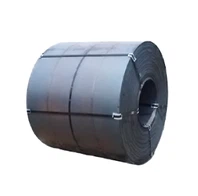
First off, what exactly is a cladding steel plate? Well, it's a composite material made by bonding two different types of steel together. Usually, there's a base layer that provides strength and a cladding layer that offers corrosion resistance, heat resistance, or other special properties. This combination gives us the best of both worlds, and it's widely used in various applications.
Now, when it comes to low - temperature environments, the performance of cladding steel plates can be affected in several ways. One of the main concerns is the impact on the mechanical properties of the steel. At low temperatures, steel can become more brittle. This means it's more likely to crack or break under stress. But don't worry, not all cladding steel plates are the same in this regard.
Let's talk about the base layer first. The base layer is often made of carbon steel or low - alloy steel. These types of steel have different responses to low temperatures. For example, some carbon steels may experience a significant drop in toughness as the temperature drops. However, modern manufacturing techniques have allowed us to develop steels that are more resistant to low - temperature brittleness.
The cladding layer also plays a role. Many cladding layers are made of stainless steel, which generally has better low - temperature performance compared to carbon steel. Stainless steel has a higher resistance to corrosion and can maintain its ductility at lower temperatures. This is great because it helps to prevent the formation of cracks on the surface of the plate.
But how do we know if a cladding steel plate is suitable for low - temperature environments? Well, there are some tests that can be done. One of the most common tests is the Charpy impact test. In this test, a small sample of the steel is struck with a pendulum, and the energy absorbed by the sample is measured. A higher energy absorption means the steel is more ductile and less likely to break at low temperatures.
Another important factor is the bonding between the base layer and the cladding layer. At low temperatures, the difference in the thermal expansion coefficients of the two layers can cause stress at the interface. If the bonding is not strong enough, this stress can lead to delamination, where the cladding layer separates from the base layer. That's why we pay a lot of attention to the bonding process during manufacturing.
Let's take a look at some of our popular products and how they perform in low - temperature environments. We have the A537CL2+304L - Stainless Steel Clad Plate. The A537CL2 base layer is designed to have good strength and toughness, even at relatively low temperatures. The 304L stainless steel cladding provides excellent corrosion resistance. This combination makes it a great choice for applications in cold and corrosive environments.
Then there's the A516GR70 +304L Clad Plate. The A516GR70 base layer is known for its good weldability and toughness. When combined with the 304L stainless steel cladding, it can withstand low - temperature conditions while also resisting corrosion. This plate is often used in the construction of storage tanks and pipelines in cold regions.
And we also offer the S355JR+304L. The S355JR base layer has good mechanical properties, and the 304L cladding adds corrosion resistance. This plate is suitable for a wide range of applications, including structures in cold climates.
In addition to the material properties, the design and installation of the cladding steel plates also matter. Proper insulation can help to maintain a more stable temperature on the surface of the plate, reducing the risk of low - temperature damage. And during installation, it's important to follow the correct procedures to ensure that the plates are properly supported and not subjected to excessive stress.
So, if you're in an industry that requires cladding steel plates for low - temperature environments, you need to choose the right product carefully. Consider the base layer, the cladding layer, and the bonding between them. And don't forget to check the test results to make sure the plate meets your requirements.
If you're interested in our cladding steel plates or have any questions about their performance in low - temperature environments, feel free to reach out. We're here to help you find the best solution for your needs. Whether you're building a storage tank in the Arctic or a pipeline in a cold mountain region, we've got the right cladding steel plate for you.
In conclusion, cladding steel plates can perform well in low - temperature environments if they're properly designed, manufactured, and installed. By understanding the properties of the materials and conducting the necessary tests, we can ensure that our products meet the high standards required for these challenging conditions. So, don't hesitate to contact us for more information and to start a procurement discussion.
References
- ASM Handbook Volume 1: Properties and Selection: Irons, Steels, and High - Performance Alloys
- ASTM Standards for Steel Plates
- Research papers on low - temperature performance of steel materials