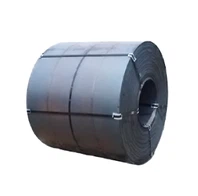
Hey there! I'm a supplier of Pipe Line Plate X52, and I've been in this business for quite a while. Over the years, I've learned a thing or two about what affects the performance of this kind of pipe line plate. So, I thought I'd share some insights with you.
1. Chemical Composition
The chemical composition of Pipe Line Plate X52 plays a huge role in its performance. Different elements bring different properties to the plate.
- Carbon (C): Carbon is a key element in steel. A higher carbon content generally means higher strength. But if there's too much carbon, the plate can become brittle. For Pipe Line Plate X52, the carbon content needs to be carefully controlled. Usually, it's in a relatively low - range to ensure a good balance between strength and toughness.
- Manganese (Mn): Manganese helps to improve the hardenability and strength of the steel. It also acts as a deoxidizer and desulfurizer. In Pipe Line Plate X52, an appropriate amount of manganese can enhance the plate's resistance to wear and tear during the pipeline operation.
- Sulfur (S) and Phosphorus (P): These are considered impurities in steel. High levels of sulfur and phosphorus can reduce the ductility and toughness of the plate, and increase the risk of cracking. So, in the production of Pipe Line Plate X52, strict limits are set for the content of sulfur and phosphorus.
2. Manufacturing Process
The way Pipe Line Plate X52 is manufactured has a direct impact on its performance.
- Smelting: The smelting process is crucial for getting the right chemical composition. Modern smelting techniques, like basic oxygen furnace (BOF) or electric arc furnace (EAF), are used to ensure high - quality molten steel. During smelting, precise control of temperature and alloy addition is necessary to achieve the desired properties of the plate.
- Rolling: Rolling is another important step. Hot rolling is commonly used to shape the plate. The rolling temperature, reduction ratio, and rolling speed all affect the microstructure of the plate. A well - controlled rolling process can produce a fine - grained microstructure, which improves the strength and toughness of Pipe Line Plate X52. For example, controlled rolling and accelerated cooling (TMCP) can significantly enhance the mechanical properties of the plate.
3. Heat Treatment
Heat treatment can further optimize the performance of Pipe Line Plate X52.
- Normalizing: Normalizing is a heat treatment process where the plate is heated to a certain temperature and then air - cooled. This process refines the grain structure of the steel, improving its strength and toughness. It also helps to relieve internal stresses in the plate.
- Quenching and Tempering: In some cases, quenching and tempering may be applied. Quenching involves rapid cooling of the plate from a high temperature, which hardens the steel. Tempering is then done to reduce the brittleness caused by quenching and improve the ductility and toughness of the plate.
4. Service Environment
The environment where Pipe Line Plate X52 is used also affects its performance.
- Temperature: Extreme temperatures can have a significant impact on the plate. At low temperatures, the plate may become more brittle, increasing the risk of fracture. On the other hand, high temperatures can reduce the strength of the plate. For example, in a pipeline transporting hot oil, the plate needs to maintain its mechanical properties at elevated temperatures.
- Corrosion: Corrosion is a major concern in pipeline applications. If the pipeline is exposed to a corrosive environment, such as seawater or acidic soil, the Pipe Line Plate X52 can be damaged. To prevent corrosion, coatings or cathodic protection methods are often used. But the effectiveness of these measures also depends on the initial quality of the plate.
5. Welding Quality
Welding is an essential part of pipeline construction. The quality of welding can affect the overall performance of the pipeline made from Pipe Line Plate X52.
- Welding Process: Different welding processes, such as shielded metal arc welding (SMAW), gas metal arc welding (GMAW), or submerged arc welding (SAW), have their own characteristics. The choice of welding process depends on various factors, like the thickness of the plate and the welding position. A proper welding process can ensure a strong and reliable weld joint.
- Welding Parameters: Parameters like welding current, voltage, and welding speed need to be carefully adjusted. Incorrect welding parameters can lead to defects in the weld, such as porosity, cracks, or lack of fusion. These defects can weaken the weld joint and reduce the performance of the pipeline.
6. Quality Control
Good quality control is essential to ensure the performance of Pipe Line Plate X52.
- Inspection: Regular inspections are carried out during the manufacturing process. Non - destructive testing methods, like ultrasonic testing (UT), magnetic particle testing (MT), and radiographic testing (RT), are used to detect internal and surface defects in the plate. Visual inspection is also important to check for any obvious flaws.
- Certification: Our Pipe Line Plate X52 products comply with relevant international standards, such as API 5L. Certification ensures that the plates meet the required quality and performance criteria.
If you're in the market for high - quality Pipe Line Plate X52, you've come to the right place. We're a reliable supplier with years of experience in the industry. We have a Pipe Line Plate Factory that uses advanced manufacturing techniques and strict quality control measures to produce top - notch products.
We also offer other types of pipe line plates, like LX56 Pipe Line Plate X60 and LX46 Pipe Line Plate X46. If you have any specific requirements or questions, feel free to contact us for a purchase negotiation. We're always ready to provide you with the best solutions for your pipeline projects.


References
- ASM Handbook Committee. ASM Handbook Volume 1: Properties and Selection: Irons, Steels, and High - Performance Alloys. ASM International, 2004.
- API. Specification for Line Pipe (API 5L). American Petroleum Institute, 2018.