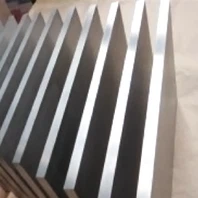
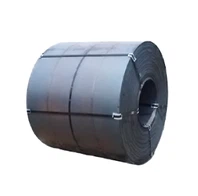
Hey there! As a supplier of vessel plate A516GR70, I often get asked about its intergranular corrosion resistance. So, I thought I'd take a moment to break it down for you.
First off, let's talk about what intergranular corrosion is. It's a type of corrosion that occurs at the grain boundaries of a metal. When a metal is exposed to certain environments, like acidic or high - temperature conditions, the grain boundaries can become more vulnerable to corrosion than the grains themselves. This can lead to weakening of the metal structure and potentially cause serious problems in applications where the metal's integrity is crucial, like in pressure vessels.
Now, vessel plate A516GR70 is a popular choice for pressure vessel construction. It's known for its good weldability, high strength, and toughness. But what about its intergranular corrosion resistance?
The intergranular corrosion resistance of A516GR70 is influenced by several factors. One of the key factors is its chemical composition. A516GR70 typically contains elements like carbon, manganese, phosphorus, sulfur, silicon, and small amounts of other elements. Carbon content plays a significant role. If the carbon content is too high, it can form carbides at the grain boundaries during heat - treatment processes. These carbides can make the grain boundaries more susceptible to corrosion.
Manganese, on the other hand, can help improve the overall strength and toughness of the steel, and it also has some positive effects on corrosion resistance. Phosphorus and sulfur are usually kept at low levels because high amounts of these elements can reduce the steel's corrosion resistance and its weldability.


Silicon in A516GR70 helps in deoxidation during the steel - making process. It can also contribute to the formation of a passive oxide layer on the surface of the steel, which can protect the steel from corrosion to some extent.
Another important factor is the heat - treatment of the vessel plate. Proper heat - treatment can control the grain size and the distribution of alloying elements in the steel. For example, normalizing or quenching and tempering can refine the grain structure and improve the mechanical properties as well as the corrosion resistance of A516GR70.
In many applications, A516GR70 shows good intergranular corrosion resistance under normal operating conditions. For instance, in pressure vessels used in the oil and gas industry, where they are exposed to a variety of fluids and gases, A516GR70 can withstand corrosion for a long time if the operating environment is not extremely aggressive.
However, in some harsh environments, additional measures may be needed to enhance its intergranular corrosion resistance. One common method is to use coatings. There are different types of coatings available, such as epoxy coatings, which can act as a physical barrier between the steel and the corrosive environment. Another option is to use corrosion inhibitors. These are chemicals that can be added to the fluid in contact with the steel to reduce the rate of corrosion.
When comparing A516GR70 with other steel grades, it has its own advantages and disadvantages in terms of intergranular corrosion resistance. For example, A572GR55 Heavy Plate is a low - alloy high - strength steel. It has a different chemical composition and is designed for different applications. A572GR55 may have better strength - to - weight ratio, but its intergranular corrosion resistance might be different from A516GR70 depending on the specific environment.
S355NL and S355JR are also widely used low - alloy steel grades. S355NL is a thermomechanically rolled fine - grain structural steel with improved toughness at low temperatures. S355JR is a non - alloy structural steel. Each of these grades has its own characteristics when it comes to intergranular corrosion resistance, and the choice between them depends on the specific requirements of the project, including the operating environment, the required strength, and the budget.
In real - world applications, the intergranular corrosion resistance of A516GR70 has been proven in many cases. But it's always important to conduct proper testing and monitoring. Non - destructive testing methods, such as ultrasonic testing and magnetic particle testing, can be used to detect any early signs of corrosion or defects in the steel. Regular inspections can help identify potential problems before they become serious.
If you're in the market for vessel plate A516GR70, you need to consider the intergranular corrosion resistance based on your specific application. Whether you're building a pressure vessel for a chemical plant, an oil refinery, or a power generation facility, understanding the corrosion resistance of the steel is crucial for the long - term performance and safety of your project.
As a supplier, I can provide you with high - quality A516GR70 vessel plates. I can also offer technical support and advice on how to ensure the best intergranular corrosion resistance for your application. We have a team of experts who can help you select the right heat - treatment process, recommend appropriate coatings or corrosion inhibitors, and assist with any testing requirements.
If you're interested in purchasing vessel plate A516GR70 or have any questions about its intergranular corrosion resistance, don't hesitate to reach out. We're here to help you make the best choice for your project.
References
- ASME Boiler and Pressure Vessel Code
- ASTM A516/A516M Standard Specification for Pressure Vessel Plates, Carbon Steel, for Moderate - and Lower - Temperature Service
- Technical literature on low - alloy steel corrosion and heat - treatment processes