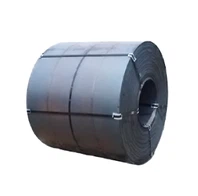
As a supplier of ASTM A514 steel, I've had the privilege of witnessing firsthand the importance of the certification process for this high-strength steel. ASTM A514 is widely used in applications where high strength and good weldability are required, such as in construction equipment, bridges, and offshore platforms. In this blog post, I'll take you through the certification process for ASTM A514, providing you with a comprehensive understanding of what it entails.

Understanding ASTM A514
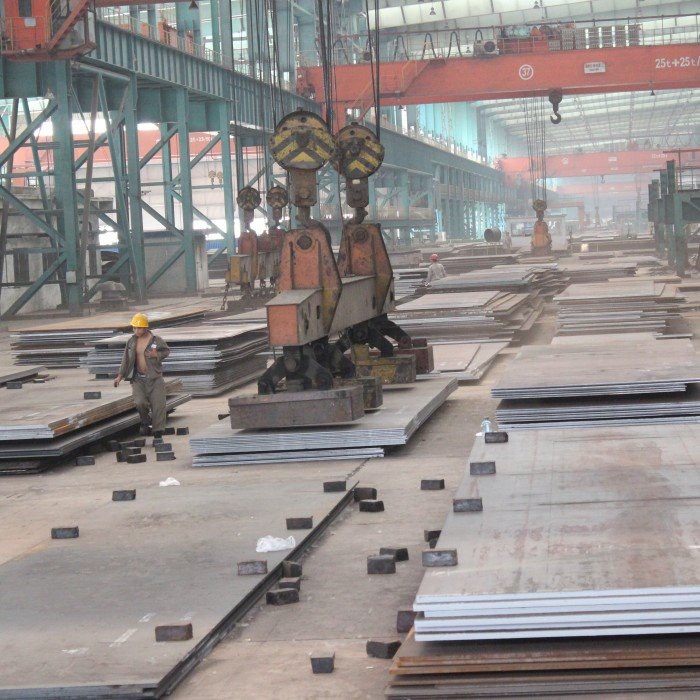
Before delving into the certification process, it's essential to understand what ASTM A514 is. ASTM A514 is a standard specification for quenched and tempered alloy steel plates intended primarily for use in welded bridges and other structures where high strength is required. These plates have a yield strength of at least 100 ksi (690 MPa), making them ideal for applications that demand high load-bearing capacity.
The Certification Process
The certification process for ASTM A514 is a rigorous and multi - step procedure that ensures the steel meets the strict standards set by the American Society for Testing and Materials (ASTM). Here are the key steps involved:
1. Raw Material Selection
The process begins with the careful selection of raw materials. As a supplier, we source high - quality scrap and alloying elements to ensure the chemical composition of the steel meets the requirements of ASTM A514. The chemical composition of ASTM A514 typically includes elements such as carbon, manganese, phosphorus, sulfur, silicon, chromium, nickel, and molybdenum. Each element plays a crucial role in determining the steel's properties, such as strength, toughness, and weldability.
2. Melting and Refining
Once the raw materials are selected, they are melted in an electric arc furnace or a basic oxygen furnace. During the melting process, the temperature and chemical composition are closely monitored to ensure they are within the specified limits. After melting, the steel undergoes a refining process to remove impurities and adjust the chemical composition. This may involve processes such as ladle refining, vacuum degassing, and desulfurization.
3. Casting
After refining, the molten steel is cast into slabs or blooms. The casting process is critical as it determines the initial shape and structure of the steel. We use advanced casting techniques to ensure the slabs or blooms have a uniform structure and are free from defects such as cracks, porosity, and inclusions.
4. Rolling
The cast slabs or blooms are then rolled into plates of the desired thickness and size. The rolling process involves passing the steel through a series of rolling mills at high temperatures. This process not only reduces the thickness of the steel but also improves its mechanical properties by refining the grain structure. The rolling temperature, reduction ratio, and rolling speed are carefully controlled to ensure the plates meet the requirements of ASTM A514.
5. Heat Treatment
One of the most critical steps in the production of ASTM A514 is heat treatment. The steel plates are quenched and tempered to achieve the desired strength and toughness. Quenching involves rapidly cooling the plates from a high temperature in a quenching medium, such as water or oil. This process forms a hard martensitic structure in the steel. Tempering is then carried out at a lower temperature to relieve the internal stresses and improve the steel's ductility and toughness.
6. Testing and Inspection
After heat treatment, the steel plates undergo a series of tests and inspections to ensure they meet the requirements of ASTM A514. These tests include:
- Chemical Analysis: Samples are taken from the plates and analyzed to determine their chemical composition. The results must be within the specified limits of ASTM A514.
- Mechanical Testing: Tensile tests, impact tests, and hardness tests are conducted to evaluate the mechanical properties of the steel. The plates must meet the minimum requirements for yield strength, tensile strength, elongation, and impact toughness.
- Non - Destructive Testing: Non - destructive testing methods such as ultrasonic testing, magnetic particle testing, and radiographic testing are used to detect any internal or surface defects in the plates.
7. Certification Issuance
If the steel plates pass all the tests and inspections, a certification is issued. The certification includes information such as the plate's chemical composition, mechanical properties, heat treatment details, and test results. This certification serves as proof that the steel plates meet the requirements of ASTM A514.
Benefits of Certified ASTM A514
- Quality Assurance: Certified ASTM A514 steel provides assurance that the material meets the strict standards set by ASTM. This ensures the reliability and performance of the steel in various applications.
- Compliance: Using certified ASTM A514 steel helps ensure compliance with industry regulations and standards. This is particularly important in applications such as construction and infrastructure projects.
- Safety: High - strength and reliable ASTM A514 steel enhances the safety of structures and equipment. It can withstand high loads and harsh environmental conditions, reducing the risk of failure.
Our Product Range
As a supplier, we offer a wide range of ASTM A514 steel plates, including S890QL1, S550QL Astm A514 Steel Plate, and A514GRF High Strength Steel Plate. Our products are certified to meet the requirements of ASTM A514, ensuring high quality and performance.
Conclusion
The certification process for ASTM A514 is a complex and rigorous procedure that ensures the steel meets the highest standards of quality and performance. As a supplier, we are committed to providing our customers with certified ASTM A514 steel plates that meet their specific requirements. If you are in the market for high - strength steel plates, we invite you to contact us for procurement discussions. We have the expertise and resources to provide you with the best solutions for your projects.
References
- ASTM International. "ASTM A514/A514M - 18 Standard Specification for High - Yield - Strength, Quenched and Tempered Alloy Steel Plate, Suitable for Welding."
- ASM Handbook Committee. "ASM Handbook Volume 1: Properties and Selection: Irons, Steels, and High - Performance Alloys." ASM International, 2002.