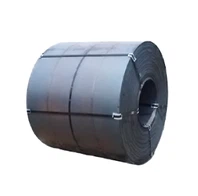
Hey there! As a supplier of abrasion steel plates, I've seen firsthand the wide range of applications these bad - boys have, especially in forging shops. Let's dive right into the typical uses of abrasion steel plates in this high - energy environment.
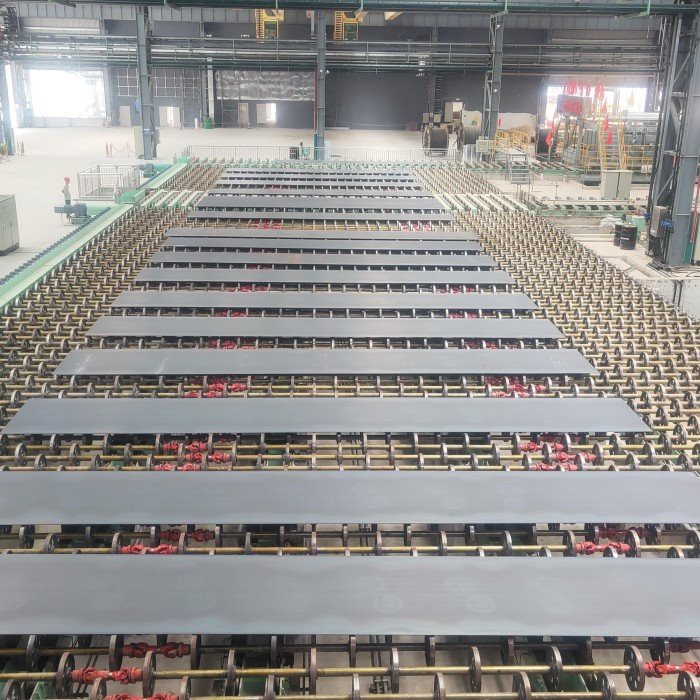

1. Die and Mold Making
Forging shops are all about shaping metal into different forms, and dies and molds are at the heart of this process. Abrasion steel plates are a top choice for making dies and molds due to their excellent wear resistance.
When hot metal is forced into a die to take on a specific shape, there's a ton of friction and wear happening. Abrasion steel plates can withstand this constant abuse. For example, if you're forging automotive parts like crankshafts or connecting rods, the dies made from abrasion steel plates will last much longer compared to those made from regular steel.
The NM600 Abrasion Steel Plate is particularly great for this application. It has a high hardness level, which means it can resist the impact and abrasion caused by the hot metal being hammered or pressed into the die. This not only reduces the frequency of die replacements but also ensures consistent quality in the forged parts.
2. Hammer Heads and Anvils
Hammers are the workhorses of forging shops. They deliver powerful blows to shape the metal. The heads of these hammers take a real beating. Abrasion steel plates are used to make hammer heads because they can handle the extreme forces involved in forging.
Anvils, on the other hand, are the surfaces on which the metal is forged. They need to be tough and resistant to wear. Abrasion steel plates provide the necessary durability. The NM550 is a popular choice for hammer heads and anvils. Its good combination of hardness and toughness allows it to absorb the impact of the hammer blows without cracking or wearing out quickly.
Imagine a forging shop that's constantly producing large - scale industrial parts. The hammers and anvils made from abrasion steel plates will keep working efficiently for a long time, reducing downtime and maintenance costs.
3. Conveyor Systems
In forging shops, conveyor systems are used to move hot metal pieces from one station to another. These conveyors are exposed to a lot of heat, friction, and abrasion. Abrasion steel plates are used to line the conveyor belts and chutes.
The heat from the forged parts can cause normal materials to warp or wear out quickly. But abrasion steel plates can handle the high temperatures and the constant rubbing of the metal pieces. The NM360 Abrasion Resistant Plate is often used in these conveyor systems. It offers a good balance between cost and performance, making it a practical choice for protecting the conveyor components.
By using abrasion steel plates in conveyor systems, forging shops can ensure smooth material flow and prevent costly breakdowns due to conveyor damage.
4. Scrap Handling Equipment
Forging processes generate a fair amount of scrap metal. Handling this scrap can be a challenge, as it can be sharp and abrasive. Abrasion steel plates are used to make the buckets, blades, and other parts of scrap handling equipment.
The buckets on scrap - handling loaders need to be tough enough to scoop up the sharp pieces of scrap without getting torn up. Abrasion steel plates provide the necessary strength and wear resistance. Whether it's a small - scale forging shop or a large industrial facility, using abrasion steel plates in scrap handling equipment can extend the lifespan of the machinery and reduce the need for frequent repairs.
5. Furnace Linings
Forging requires high - temperature furnaces to heat the metal to the right temperature for shaping. The linings of these furnaces are exposed to intense heat, chemical reactions, and mechanical stress. Abrasion steel plates can be used in the construction of furnace linings.
They can resist the heat and the abrasion caused by the movement of the metal inside the furnace. This helps to maintain the integrity of the furnace and ensures efficient heat transfer. The abrasion - resistant properties of the steel plates also prevent the formation of cracks and spalling, which can lead to heat loss and reduced furnace efficiency.
6. Press Components
Presses are used in forging to apply pressure to shape the metal. Components like press platens, rams, and guides are subject to high - pressure and wear. Abrasion steel plates are used to manufacture these components.
The platens, which are the flat surfaces that come into contact with the metal during pressing, need to be extremely flat and wear - resistant. Abrasion steel plates can be machined to the required precision and can maintain their flatness even under high pressure. Rams and guides also benefit from the wear - resistant properties of abrasion steel plates, ensuring smooth and accurate operation of the press.
Why Choose Our Abrasion Steel Plates?
We take pride in offering high - quality abrasion steel plates. Our plates are made using advanced manufacturing processes that ensure consistent quality and performance. We have a wide range of grades available, like the NM600, NM550, and NM360, to meet different application requirements in forging shops.
Our team of experts can also provide technical support and advice on which grade of abrasion steel plate is best for your specific needs. Whether you're a small - scale forging shop or a large industrial enterprise, we can supply the right amount of plates at a competitive price.
If you're in the forging business and looking for reliable abrasion steel plates, we'd love to hear from you. Contact us to discuss your requirements and let's work together to find the perfect solution for your forging shop.
References
- "Handbook of Forging Processes"
- "Wear - Resistant Materials in Industrial Applications"
- Technical data sheets from abrasion steel plate manufacturers