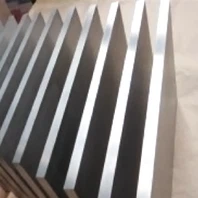
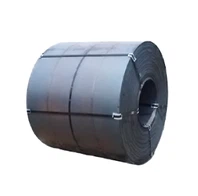
Hey there! As an abrasion steel plate supplier, I've seen firsthand how these tough materials play a crucial role in desalination plants. Desalination is a big deal, turning seawater into freshwater, and abrasion steel plates are like the unsung heroes behind the scenes. Let's dive into the typical applications of abrasion steel plates in desalination plants.
1. Pumps and Pipelines
Pumps are the heart of a desalination plant. They move seawater through the entire system, from intake to the final product - freshwater. The seawater is full of all sorts of abrasive particles like sand, silt, and small marine organisms. These particles can cause a lot of wear and tear on the internal components of pumps and the pipelines.
That's where abrasion steel plates come in. We use them to line the interiors of pump casings and impellers. For example, the NM500 Wear Steel Plate is a great choice here. It has high hardness and excellent wear resistance, which can withstand the constant flow of abrasive seawater. When the seawater rushes through the pump, the NM500 plate protects the underlying metal from getting worn away too quickly, ensuring the pump works efficiently for a long time.
In pipelines, abrasion steel plates are used as liners. The NM360 Abrasion Resistant Plate is often employed in this application. It can be welded onto the inner surface of the pipeline, creating a durable barrier against abrasion. This helps to prevent leaks and blockages caused by pipe erosion, which could disrupt the entire desalination process.
2. Filtration Systems
Filtration is a key step in desalination. It removes large particles, sediment, and some contaminants from the seawater before it goes through further treatment. There are different types of filters in a desalination plant, such as screen filters and sand filters.
Abrasion steel plates are used in the construction of filter housings. These housings need to be strong and resistant to abrasion because they are constantly in contact with the abrasive seawater and the particles being filtered out. The NM600 Abrasion Steel Plate is an ideal option for filter housings. Its extremely high hardness makes it able to withstand the impact and abrasion of the filtered materials, ensuring the integrity of the filtration system.
In addition, some filtration systems use rotating components to clean the filters. These rotating parts are also subject to abrasion. By using abrasion steel plates in their construction, we can increase their lifespan and reduce maintenance costs.
3. Evaporators and Condensers
In thermal desalination processes, evaporators and condensers are important components. Evaporators heat the seawater to turn it into steam, and condensers cool the steam back into freshwater.
The tubes in evaporators and condensers are exposed to high - temperature and high - pressure conditions, as well as the abrasive nature of seawater. Abrasion steel plates are used to protect these tubes. They can be made into tube sheets or used as coatings on the tubes. For example, a thin layer of NM500 plate can be applied to the outer surface of the tubes. This helps to prevent the tubes from being damaged by the abrasive seawater and the high - velocity steam flow, improving the efficiency and reliability of the evaporator and condenser systems.

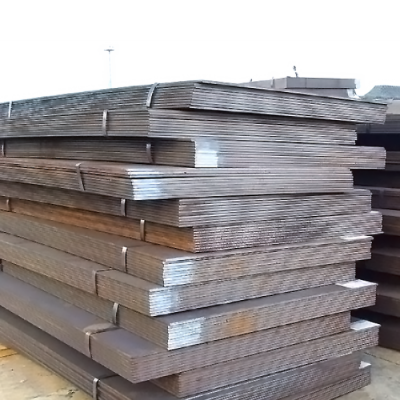
4. Mixing Tanks
Mixing tanks are used in desalination plants to blend chemicals with the seawater for various treatment processes, such as pH adjustment and disinfection. The seawater and chemicals in these tanks can be abrasive, especially when there are solid particles in the seawater or when the chemicals are corrosive.
Abrasion steel plates are used to line the inside of the mixing tanks. The NM360 plate is a popular choice here. It can resist the abrasion caused by the agitation of the seawater and chemicals, as well as the corrosion from some of the chemicals. This ensures that the mixing tanks can operate safely and effectively, and it also prevents the contamination of the treated water by the corroded tank material.
5. Intake and Discharge Structures
The intake structures are where the seawater enters the desalination plant, and the discharge structures are where the brine (the concentrated saltwater left after desalination) is released back into the sea. These structures are constantly exposed to the abrasive action of the seawater.
Abrasion steel plates are used to build the intake screens and the inner walls of the intake and discharge channels. The NM500 plate can be used to make the intake screens, which need to be strong enough to withstand the force of the incoming seawater and the abrasion from the particles in it. For the inner walls of the channels, the NM360 plate can provide long - term protection against abrasion, ensuring the smooth flow of seawater and brine in and out of the plant.
Why Choose Our Abrasion Steel Plates?
We offer high - quality abrasion steel plates that are specifically designed for the harsh conditions in desalination plants. Our plates are made from the best raw materials and undergo strict quality control processes. They have consistent hardness and excellent wear - resistant properties, which can significantly reduce the maintenance and replacement costs in desalination plants.
If you're in the desalination industry and looking for reliable abrasion steel plates, don't hesitate to get in touch with us. We can provide you with detailed product information and offer customized solutions based on your specific needs. Whether you need NM500, NM360, or NM600 plates, we've got you covered. Let's work together to ensure the smooth operation of your desalination plant!
References
- "Desalination Technology and Engineering" by an industry - recognized author.
- Technical reports from leading desalination plant manufacturers.
- Research papers on the application of wear - resistant materials in marine engineering.