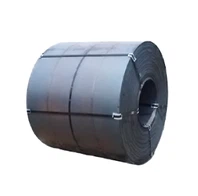
Hey there! I'm a supplier of ASTM A537CL2, and today I want to have a chat about the standards for inspecting this material. ASTM A537CL2 is a type of pressure vessel steel plate that's widely used in various industries, especially where high - strength and good toughness are required. So, what are the key things we need to look at when inspecting it?
Chemical Composition
The chemical composition of ASTM A537CL2 is super important. It determines a lot of the material's properties. First off, carbon (C) content. The carbon content in ASTM A537CL2 should be within a specific range. A proper carbon level helps in achieving the right balance between strength and weldability. Too much carbon can make the steel brittle and hard to weld, while too little might result in insufficient strength.
Manganese (Mn) is another crucial element. It improves the hardenability and strength of the steel. We need to make sure the Mn content meets the ASTM standards. Phosphorus (P) and sulfur (S) are usually considered impurities. Low levels of P and S are desired because high amounts can cause brittleness and reduce the steel's ductility.
Silicon (Si) is also present in the steel. It acts as a deoxidizer and helps in improving the strength and hardness. When inspecting, we use advanced analytical techniques like spectrometry to accurately measure these elements. This way, we can ensure that the chemical composition of the ASTM A537CL2 we supply is spot - on.


Mechanical Properties
Mechanical properties are a big deal when it comes to ASTM A537CL2. Tensile strength is one of the key indicators. The steel should have a specified minimum and maximum tensile strength. Tensile strength tells us how much stress the material can withstand before it breaks.
Yield strength is another important property. It's the point at which the steel starts to deform permanently. We test the ASTM A537CL2 samples using a tensile testing machine. This machine applies a gradually increasing load to the sample until it fails. By analyzing the data from the test, we can determine if the yield and tensile strengths are within the acceptable range.
Elongation is also measured during the tensile test. It shows how much the steel can stretch before breaking. Good elongation is a sign of the steel's ductility. A high - quality ASTM A537CL2 should have a decent elongation value, which means it can be formed and shaped without cracking easily.
Charpy impact test is used to evaluate the steel's toughness. We strike a notched sample with a pendulum - type hammer at a specific temperature. The energy absorbed during the impact is measured. ASTM A537CL2 needs to have sufficient impact toughness, especially when it's going to be used in applications where it might experience sudden shocks or impacts.
Surface Quality
The surface quality of ASTM A537CL2 is not to be overlooked. The steel plates should have a smooth surface without any major defects like cracks, pits, or scale. Cracks can act as stress concentrators and reduce the strength of the material. Pits can also weaken the steel and may lead to corrosion over time.
Scale on the surface can affect the welding quality and the overall appearance of the finished product. We visually inspect the plates and use non - destructive testing methods like magnetic particle inspection or ultrasonic testing to detect any hidden surface or near - surface defects. If we find any issues, we take appropriate measures like grinding or re - processing the plates to ensure they meet the required surface quality standards.
Dimensional Accuracy
Accurate dimensions are essential for ASTM A537CL2. The thickness, width, and length of the steel plates should be within the specified tolerances. Even a small deviation in dimensions can cause problems during the manufacturing process. For example, if the thickness is not consistent, it can lead to uneven stress distribution in the pressure vessel.
We use precision measuring tools like calipers, micrometers, and laser measuring devices to check the dimensions. By ensuring dimensional accuracy, we can guarantee that the ASTM A537CL2 plates fit perfectly into the customer's manufacturing processes.
Comparison with Similar Materials
When it comes to pressure vessel steels, there are other materials similar to ASTM A537CL2, such as P295GH, P275NL1, and astm a537 16Mo3. Each of these materials has its own set of properties and application areas.
P295GH is a European standard pressure vessel steel. It has good weldability and is often used in moderate - temperature applications. P275NL1, on the other hand, is designed for low - temperature service and has excellent toughness at low temperatures. 16Mo3 is known for its good creep resistance and is suitable for high - temperature applications.
Compared to these materials, ASTM A537CL2 offers a good balance of strength, toughness, and weldability over a wide range of temperatures. It's a versatile material that can be used in various pressure vessel applications, from storage tanks to chemical processing equipment.
Heat Treatment
Heat treatment plays a vital role in the properties of ASTM A537CL2. The steel is usually normalized or quenched and tempered to achieve the desired mechanical properties. Normalizing involves heating the steel to a specific temperature and then air - cooling it. This process refines the grain structure and improves the steel's strength and toughness.
Quenching and tempering is a more complex process. The steel is heated to a high temperature and then rapidly cooled (quenched) in a liquid medium like water or oil. After quenching, the steel is tempered at a lower temperature to relieve the internal stresses and improve its ductility.
During inspection, we check the heat treatment records to ensure that the correct heat treatment processes have been followed. We also use hardness testing to verify the effectiveness of the heat treatment. The hardness of the ASTM A537CL2 should be consistent throughout the plate, which indicates that the heat treatment was done properly.
Certification and Documentation
As a supplier of ASTM A537CL2, we provide proper certification and documentation for our products. This includes mill test reports that detail the chemical composition, mechanical properties, and other test results. The mill test reports are issued by an accredited laboratory and are a guarantee of the quality of the steel.
We also keep records of the manufacturing process, heat treatment, and inspection procedures. This documentation is important for traceability and quality control. Customers can rely on these documents to ensure that the ASTM A537CL2 they are purchasing meets the required standards.
Why Choose Us?
If you're in the market for ASTM A537CL2, choosing the right supplier is crucial. We have a team of experienced professionals who are well - versed in the inspection and quality control of ASTM A537CL2. We use state - of - the - art testing equipment to ensure that every plate we supply meets the highest standards.
We offer a wide range of ASTM A537CL2 products in different sizes and thicknesses to meet your specific requirements. Our commitment to quality and customer satisfaction is unwavering. Whether you need a small quantity for a prototype or a large order for a major project, we can handle it.
If you're interested in purchasing ASTM A537CL2, don't hesitate to get in touch. We're here to answer all your questions and provide you with the best - quality products at competitive prices. Let's start a conversation and see how we can meet your needs.
References
- ASTM International standards for A537CL2
- Metallurgy textbooks on pressure vessel steels
- Industry research papers on the inspection and quality control of steel materials