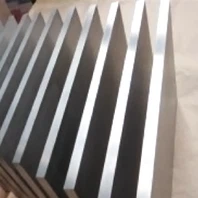
When it comes to the utilization of Pipe Line Plate, safety should always be the top priority. As a reliable Pipe Line Plate supplier, I understand the critical importance of ensuring that our customers are well - informed about the safety precautions associated with the use of these products. In this blog, I will delve into the key safety aspects that need to be considered when working with Pipe Line Plate.
Pre - installation Safety Precautions
Inspection
Before installation, a thorough inspection of the Pipe Line Plate is essential. Check for any visible defects such as cracks, dents, or corrosion. These flaws can significantly compromise the integrity of the pipeline. For instance, a small crack might grow over time due to internal pressure and external forces, leading to potential leaks or even pipeline failures. We offer a range of high - quality Pipe Line Plates, including LX65, LX80, and LX560, which are carefully manufactured to meet strict quality standards. However, it is still crucial for users to conduct their own pre - installation inspections.
Handling
Proper handling of Pipe Line Plate is vital to prevent physical damage. When lifting the plates, use appropriate lifting equipment such as cranes or forklifts with suitable attachments. Ensure that the lifting points are correctly positioned to avoid uneven stress on the plate. For example, if the lifting points are too close to one end, the plate may bend during lifting, causing internal stress that can lead to future problems. Additionally, when moving the plates, make sure the surface they are placed on is flat and stable to prevent slipping or tipping.
Storage
If the Pipe Line Plate needs to be stored for a period before installation, choose a suitable storage location. The storage area should be dry and well - ventilated to prevent corrosion. The plates should be stacked in an orderly manner, with spacers between each layer to avoid direct contact and potential scratching. Also, ensure that the stack is stable to prevent it from collapsing, which could cause injury to workers.
Installation Safety Precautions
Welding Safety
Welding is a common process in the installation of Pipe Line Plate. When welding, operators must follow strict safety procedures. First, ensure that the welding environment is well - ventilated to prevent the accumulation of harmful fumes. Welders should wear appropriate personal protective equipment (PPE), including welding helmets, gloves, and protective clothing. Before starting the welding process, check the welding equipment for any malfunctions. For example, a faulty welding machine may produce inconsistent welds, which can weaken the joint between the plates.
Alignment
Accurate alignment of the Pipe Line Plate is crucial for a safe and effective installation. Use alignment tools such as lasers or alignment jigs to ensure that the plates are properly positioned. Misaligned plates can lead to uneven stress distribution, which may cause leaks or failures at the joints. During the alignment process, workers should take their time and double - check the measurements to avoid costly mistakes.
Pressure Testing
After the installation is complete, a pressure test should be conducted to ensure the integrity of the pipeline. The test pressure should be set according to the design requirements of the pipeline. During the pressure test, closely monitor the pipeline for any signs of leakage or deformation. If any issues are detected, immediately stop the test and take corrective actions.
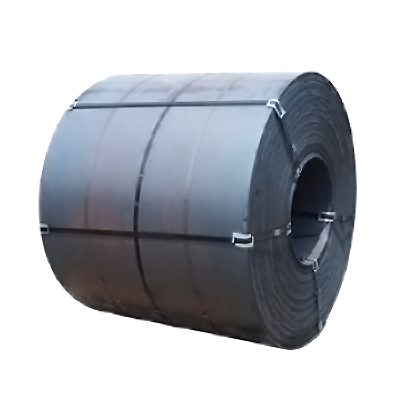

Operational Safety Precautions
Monitoring
Once the pipeline is in operation, continuous monitoring is necessary. Install monitoring devices such as pressure sensors, temperature sensors, and leak detectors. These devices can provide real - time data on the operating conditions of the pipeline. Regularly check the monitoring data to detect any abnormal changes, such as sudden pressure drops or temperature fluctuations, which may indicate potential problems.
Maintenance
Regular maintenance is essential to ensure the long - term safety of the Pipe Line Plate. Develop a maintenance schedule and follow it strictly. This may include tasks such as cleaning the pipeline, inspecting for corrosion, and replacing worn - out components. For example, if the pipeline is transporting corrosive substances, the frequency of corrosion inspections should be increased.
Emergency Response
Have an emergency response plan in place in case of any unexpected incidents. The plan should include procedures for dealing with leaks, fires, or other emergencies. Train the relevant personnel on the emergency response plan so that they can act quickly and effectively in case of an emergency.
Environmental Safety Precautions
Corrosion Protection
Pipe Line Plate is often exposed to various environmental conditions, which can cause corrosion. To protect the plates from corrosion, apply appropriate corrosion - resistant coatings. The type of coating should be selected based on the specific environmental conditions, such as the presence of moisture, chemicals, or soil type. Regularly inspect the coatings for any signs of damage or wear and repair them promptly.
Spill Containment
In the event of a spill, it is important to have a spill containment system in place. This can prevent the spread of hazardous substances and minimize the environmental impact. The spill containment system should include barriers, absorbent materials, and collection devices. Train the workers on how to use the spill containment system effectively.
Compliance with Regulations
Ensure that the use of Pipe Line Plate complies with all relevant environmental regulations. This includes regulations related to the transportation of hazardous substances, waste management, and environmental protection. Stay updated on any changes in the regulations and make the necessary adjustments to your operations.
Conclusion
In conclusion, using Pipe Line Plate safely requires a comprehensive approach that covers pre - installation, installation, operational, and environmental aspects. By following the safety precautions outlined in this blog, you can minimize the risks associated with the use of Pipe Line Plate and ensure the long - term reliability of your pipeline.
As a Pipe Line Plate supplier, we are committed to providing high - quality products and sharing our expertise on safety precautions. If you are interested in purchasing our Pipe Line Plate or have any questions about safety, please feel free to contact us for further discussion and procurement negotiation.
References
- American Petroleum Institute (API) Standards for Pipeline Construction and Safety
- National Fire Protection Association (NFPA) Codes for Pipeline Safety
- Occupational Safety and Health Administration (OSHA) Regulations for Pipeline Work