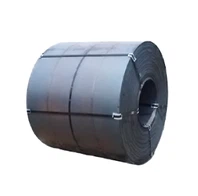
Hey there! As a supplier of ASME SA516, I've gotten a lot of questions about its fracture toughness properties. So, I thought I'd sit down and write this blog to share what I know.
First off, let's understand what fracture toughness is. In simple terms, it's a material's ability to resist the propagation of cracks. When a material is under stress, small cracks can form. If the material has good fracture toughness, these cracks won't spread easily, which is super important in applications where safety is a big deal, like in pressure vessels.
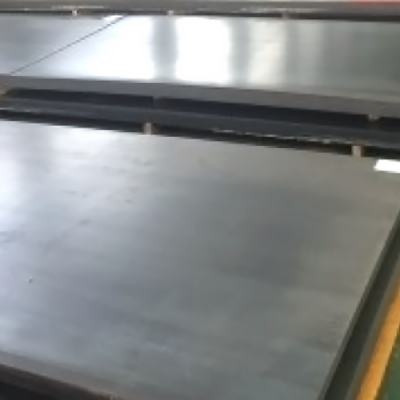
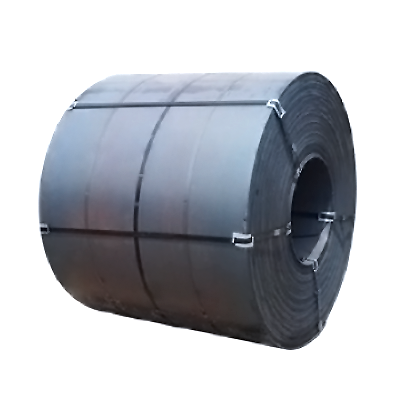
ASME SA516 is a standard specification for pressure vessel plates, mainly used in welded pressure vessels where improved notch toughness is required. It comes in different grades, such as Grade 55, Grade 60, Grade 65, and Grade 70. Each grade has its own set of mechanical properties, including fracture toughness.
The fracture toughness of ASME SA516 is influenced by several factors. One of the key factors is the chemical composition. The carbon content in SA516 plays a crucial role. Generally, a lower carbon content is beneficial for fracture toughness. It helps in reducing the formation of hard and brittle phases in the material, which can act as crack initiation sites. Other elements like manganese, silicon, sulfur, and phosphorus also have an impact. Manganese, for example, can improve the strength and toughness of the steel. However, excessive sulfur and phosphorus can decrease the fracture toughness as they can form inclusions that weaken the material.
The manufacturing process also affects the fracture toughness. Heat treatment is a critical step. Normalizing, for instance, is often used to refine the grain structure of the steel. A fine - grained structure is associated with better fracture toughness because it provides more obstacles for crack propagation. Quenching and tempering can also be used to enhance the mechanical properties, including fracture toughness, but the parameters need to be carefully controlled to avoid any negative effects.
Another important aspect is the temperature. The fracture toughness of ASME SA516 decreases with decreasing temperature. At low temperatures, the material becomes more brittle, and cracks are more likely to propagate. This is why in applications where the vessel might be exposed to low - temperature environments, it's crucial to select the appropriate grade of SA516 with sufficient fracture toughness at those temperatures.
Now, let's compare ASME SA516 with some other steel plates. If you're interested in other options, you can check out A573GR58 Carbon Steel Plate A283GRC. This plate also has its own set of properties, and depending on your specific requirements, it might be a good alternative. Similarly, P460QL2 Vessel Plate A516GR70 is another option that you can explore. And if you're looking for a carbon steel plate, A572GR50 Carbon Steel Plate could be worth considering.
When it comes to testing the fracture toughness of ASME SA516, there are several standard tests. The Charpy V - notch test is one of the most commonly used methods. In this test, a specimen with a V - shaped notch is subjected to an impact load. The energy absorbed during the fracture is measured, and this energy is an indication of the material's fracture toughness. A higher energy absorption means better fracture toughness.
Another test is the crack - tip opening displacement (CTOD) test. This test is more complex but provides more accurate information about the crack growth resistance of the material. It measures the displacement at the crack tip under a given load, and the CTOD value is used to evaluate the fracture toughness.
In practical applications, the fracture toughness of ASME SA516 is of utmost importance. For example, in the oil and gas industry, pressure vessels made of SA516 are used to store and transport various fluids. A failure due to crack propagation can have serious consequences, including environmental disasters and loss of life. So, ensuring that the SA516 plates used in these vessels have the required fracture toughness is non - negotiable.
As a supplier, I understand the importance of providing high - quality ASME SA516 plates with excellent fracture toughness. We work closely with our customers to understand their specific requirements, whether it's for a high - temperature application or a low - temperature one. We have a strict quality control process in place, from the selection of raw materials to the final inspection of the finished plates.
If you're in the market for ASME SA516 plates or want to learn more about their fracture toughness properties, don't hesitate to reach out. Whether you're an engineer designing a new pressure vessel or a contractor looking for reliable materials, we can help you find the right solution. We can provide you with detailed technical specifications and assist you in selecting the appropriate grade of SA516 for your project.
In conclusion, the fracture toughness of ASME SA516 is a complex but crucial property. It's influenced by chemical composition, manufacturing process, temperature, and more. By understanding these factors and conducting proper testing, we can ensure that the SA516 plates meet the highest standards of quality and safety. So, if you have any questions or are interested in purchasing ASME SA516 plates, let's start a conversation and see how we can work together.
References
- ASME Boiler and Pressure Vessel Code, Section II - Materials
- ASTM standards related to steel plates and fracture toughness testing