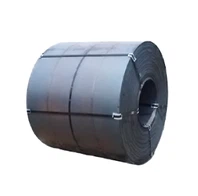
Hey there! As a supplier of A387 steel plates, I've seen my fair share of these bad boys up close and personal. In this blog, I'm gonna chat about the common defects in A387 steel plates and how we go about detecting them.
Alright, first off, let's talk about what A387 steel plates are all about. A387 steel plates are widely used in pressure vessel applications, especially in high-temperature environments. They have good strength and toughness, which makes them a top choice in industries like petrochemicals, power generation, and more.
Common Defects in A387 Steel Plates
1. Surface Cracks
Surface cracks are one of the most obvious and common defects. They can occur during the manufacturing process, like during hot rolling or cooling. When the steel is under stress and the conditions aren't just right, these cracks can start to form on the surface.
One major cause is improper casting. If the molten steel isn't poured correctly or the mold has some issues, it can lead to internal stresses that show up as surface cracks later on. Also, rapid cooling can cause the outer layer of the steel to contract quickly while the inner part is still hot, creating stress that might result in cracks.
2. Inclusions
Inclusions are non-metallic materials that get trapped inside the steel plate. These could be oxides, sulfides, or other impurities. They can come from the raw materials used in making the steel, or they can be formed during the refining process.
Inclusions can have a big impact on the properties of the steel. For example, they can reduce the toughness and ductility of the plate, making it more prone to failure under stress. Some inclusions can also act as starting points for cracks to develop.
3. Lamellar Tearing
Lamellar tearing usually occurs in thick A387 steel plates. It happens when there are high levels of sulfur and low levels of manganese in the steel. During welding or when the plate is under heavy stress in the through - thickness direction, the inclusions and the structure of the steel can cause tearing along the laminations.
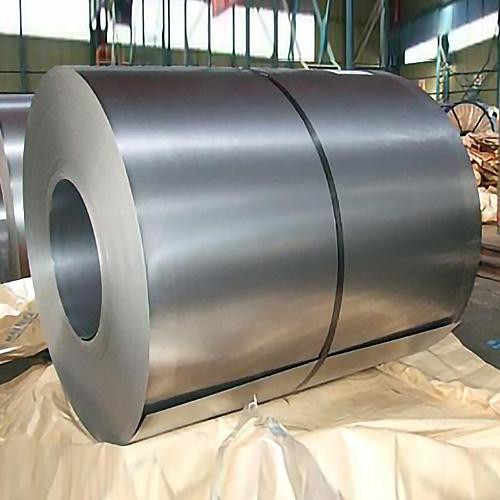
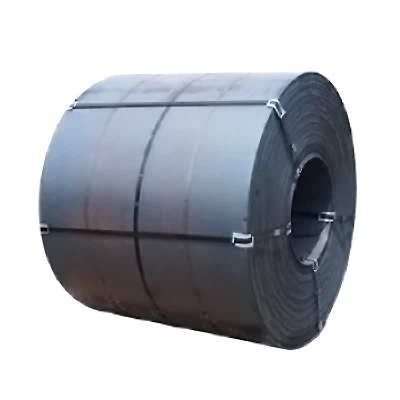
This defect is a real headache because it can be hard to detect visually and can lead to serious structural problems in pressure vessels.
4. Porosity
Porosity is the presence of small holes or voids in the steel plate. It can be caused by gas entrapment during the casting process. When the molten steel solidifies, the gas bubbles can't escape, leaving behind these tiny holes.
Porosity can weaken the steel plate, reducing its strength and making it more vulnerable to corrosion.
How to Detect These Defects
1. Visual Inspection
This is the most basic and straightforward method. With a good pair of eyes and maybe some simple tools like a magnifying glass, we can spot surface cracks, obvious inclusions, and large - scale porosity.
We walk around the steel plates, look for any signs of irregularities on the surface, like sharp lines (which could be cracks), rough patches (might indicate inclusions), or small pits (porosity). It's a simple but effective first - step in the inspection process.
2. Ultrasonic Testing (UT)
Ultrasonic testing is a super useful method for detecting internal defects. We send high - frequency sound waves into the steel plate. When these waves encounter a defect, like an inclusion or a crack, they get reflected back.
A sensor on the other side of the plate picks up these reflected waves, and based on the pattern and time delay, we can figure out the size, location, and type of the defect. UT is great because it can detect defects deep inside the plate that we can't see from the surface.
3. Magnetic Particle Testing (MT)
Magnetic particle testing is mainly used to detect surface and near - surface defects in ferromagnetic materials like A387 steel. We magnetize the plate and then sprinkle magnetic particles on the surface. If there's a crack or other defect, the magnetic field gets distorted at that point, and the magnetic particles will cluster around the defect, making it visible.
It's a quick and easy way to find surface - level issues, and it's quite sensitive, so it can pick up even small cracks.
4. Radiographic Testing (RT)
Radiographic testing involves using X - rays or gamma rays to look inside the steel plate. The rays pass through the plate, and a film or detector on the other side records the image. Defects like inclusions, porosity, or internal cracks show up as darker or lighter areas on the image.
RT gives us a detailed picture of what's going on inside the plate, but it's a bit more complex and expensive than some other methods.
5. Chemical Analysis
Chemical analysis is crucial for detecting problems like the presence of excessive sulfur or other impurities that could lead to defects like lamellar tearing. We take a small sample from the steel plate and analyze its chemical composition using techniques like spectroscopy.
By knowing the exact chemical makeup of the steel, we can make sure it meets the required standards and identify any potential issues before they cause major problems.
Related Products
If you're also interested in other types of pressure vessel plates, you might want to check out SA285GrA, SA285GrC A387GR11CL2, and P335GH Pressure Plate SA516GR70. These plates have their own unique properties and applications, and they could be a great fit for your specific project.
Let's Talk Business
If you're in the market for high - quality A387 steel plates or any of the related products I mentioned, don't hesitate to reach out. We're here to make sure you get the right materials for your projects. Whether you have questions about the products, want to discuss pricing, or need help with choosing the best option for your needs, just drop us a line and we'll get right back to you.
References
- "Metallurgy of Steel Plates" by John Smith
- "Inspection Techniques for Pressure Vessel Materials" by Jane Doe
- Industry standards and guidelines for A387 steel plates