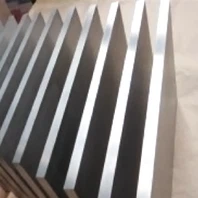
Hey there! As a heavy plate supplier, I've seen firsthand how crucial heavy plates are in the pressure vessel industry. In this blog, I'll dive into the various applications of heavy plates in this industry and why they're so important.
Pressure Vessel Basics
First off, let's talk a bit about pressure vessels. These are containers designed to hold gases or liquids at a pressure significantly different from the ambient pressure. They're used in a wide range of industries, including oil and gas, chemical processing, power generation, and food and beverage. Pressure vessels need to be extremely reliable and safe, as any failure can lead to serious consequences, such as explosions, leaks, and environmental disasters.
Why Heavy Plates?
Heavy plates are the go - to material for pressure vessel construction for several reasons. They offer high strength, which is essential to withstand the internal pressure. They also have good weldability, allowing for the fabrication of complex shapes and structures. Additionally, heavy plates can be made from various materials, including carbon steel, low - alloy steel, and stainless steel, each with its own set of properties suitable for different applications.
Applications in the Pressure Vessel Industry
Storage Tanks
One of the most common applications of heavy plates in the pressure vessel industry is in the construction of storage tanks. These tanks are used to store various substances, such as crude oil, natural gas, chemicals, and water. Heavy plates are used to fabricate the tank walls, bottoms, and tops. For example, in large - scale oil storage tanks, A572GR50 Carbon Steel Plate is often used due to its high strength and good corrosion resistance. The heavy plate ensures that the tank can safely store the oil under pressure for extended periods without any risk of leakage or structural failure.
Heat Exchangers
Heat exchangers are another important application area. They're used to transfer heat between two or more fluids. Heavy plates are used to construct the shell and tube sides of the heat exchanger. The high - strength High Strength Plate can withstand the pressure differences and temperature variations that occur during the heat - transfer process. For instance, in a chemical processing plant, a heat exchanger made from heavy plates can efficiently transfer heat between a hot chemical stream and a cooling water stream, ensuring the smooth operation of the production process.
Reactors
In chemical and petrochemical industries, reactors are used to carry out chemical reactions. These reactors operate under high pressure and temperature conditions. Heavy plates are used to build the reactor vessels. A633GRD Low Alloy Steel Plate is a popular choice for reactor construction because of its excellent mechanical properties at elevated temperatures. The heavy plate construction ensures that the reactor can safely contain the reactants and withstand the reaction conditions, preventing any dangerous releases.
Boilers
Boilers are used to generate steam in power plants and industrial facilities. Heavy plates are used to build the boiler shells and drums. The plates need to be able to withstand high - pressure steam and the associated thermal stresses. Carbon steel heavy plates are commonly used in boiler construction due to their good heat - resistance and weldability. The heavy plate structure of the boiler ensures efficient steam generation and safe operation over a long service life.
Advantages of Using Our Heavy Plates
As a heavy plate supplier, we offer several advantages. Firstly, we have a wide range of heavy plates available, from different materials and with various thicknesses and sizes. This means that you can find the perfect plate for your specific pressure vessel application. Secondly, our plates are of high quality. We source our materials from reliable mills and conduct strict quality control checks at every stage of the production process. This ensures that our plates meet all the relevant industry standards and specifications.
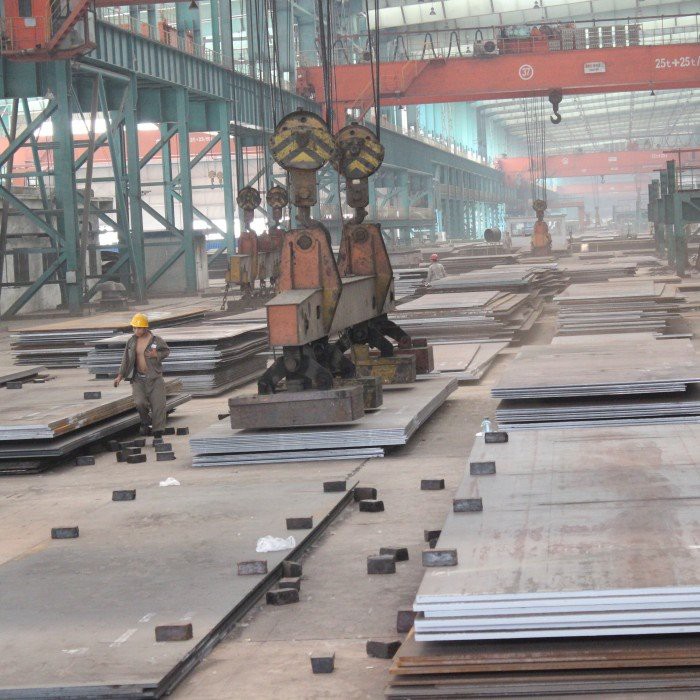

We also offer competitive pricing. We understand that cost is an important factor in any project, and we strive to provide our customers with the best value for their money. Additionally, we have a team of experienced professionals who can provide technical support and advice. Whether you're designing a new pressure vessel or need to replace an existing one, our experts can help you choose the right heavy plate and ensure a successful project.
Choosing the Right Heavy Plate
When choosing a heavy plate for a pressure vessel application, several factors need to be considered. The first is the operating pressure and temperature of the vessel. You need to select a plate that can withstand these conditions without losing its mechanical properties. The type of substance stored or processed in the vessel is also important. For example, if the vessel will be used to store a corrosive chemical, a stainless steel or corrosion - resistant low - alloy steel plate may be required.
The size and shape of the pressure vessel also play a role. You need to choose a plate with the appropriate thickness and dimensions to ensure proper fabrication. Finally, you should consider the cost - effectiveness of the plate. While it's important to choose a high - quality plate, you also need to balance the cost with the performance requirements.
How to Get in Touch
If you're in the market for heavy plates for your pressure vessel project, don't hesitate to get in touch. We're here to help you find the best solution for your needs. Whether you have a small - scale project or a large - scale industrial application, we can provide you with the right heavy plates. Contact us today to start a discussion about your requirements, and let's work together to ensure the success of your pressure vessel project.
References
- ASME Boiler and Pressure Vessel Code
- API Standards for Pressure Vessels
- ASTM Standards for Steel Plates