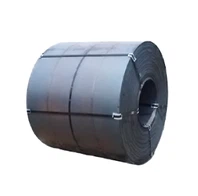
Hey there! As a clad plate supplier, I'm super excited to chat about the awesome applications of clad plates in the agricultural industry. Clad plates are a game - changer, offering a blend of different materials' best properties, and they've found some really cool uses in farming and related fields.
Let's start with storage. In agriculture, we need to store all sorts of things, from grains to fertilizers. Clad plates are perfect for building storage silos. Take for example, the A537CL2+304L - Stainless Steel Clad Plate. The base layer, A537CL2, is a strong carbon steel that provides the structural integrity needed to hold large amounts of grain or other agricultural products. Meanwhile, the 304L stainless steel cladding on the inside offers excellent corrosion resistance. Grains can produce moisture and sometimes contain chemicals that could corrode regular steel over time. But with the stainless - steel cladding, the silo can last much longer, protecting the stored products from contamination and ensuring that the silo itself doesn't break down easily.
When it comes to handling fertilizers, which are often highly corrosive, the A516GR70 +304L Clad Plate is a great choice. A516GR70 is known for its good toughness and weldability, making it easy to fabricate into storage tanks and containers. The 304L cladding acts as a shield against the corrosive nature of fertilizers like ammonium nitrate or potassium chloride. This not only extends the lifespan of the storage equipment but also reduces the risk of fertilizer leakage, which could be harmful to the environment.
Moving on to agricultural machinery. Tractors, harvesters, and other farming equipment are constantly exposed to harsh conditions, including dirt, water, and various chemicals. Clad plates can be used to make parts of these machines more durable. For instance, the blades of a harvester need to be sharp and strong to cut through crops efficiently. Using a clad plate with a hard - wearing base material and a corrosion - resistant cladding can improve the performance and longevity of these blades. The S355JR+304L clad plate could be a great option here. S355JR is a high - strength structural steel that can withstand the mechanical stress during the cutting process, while the 304L stainless steel cladding helps prevent rusting, especially when the blades come into contact with wet crops or are washed with water after use.
In irrigation systems, clad plates also have a role to play. Pipes used for transporting water are subject to internal and external corrosion. A clad plate pipe with a corrosion - resistant inner cladding and a strong outer base layer can ensure a long - lasting and reliable water supply. The inner cladding, such as the stainless - steel layer in our clad plates, resists the effects of minerals and chemicals in the water, while the base steel provides the necessary strength to withstand the pressure of the water flow.
Another area is in the construction of livestock housing. Clad plates can be used to build partitions, floors, and feeding troughs. For example, in a pigsty, the floors need to be strong enough to support the weight of the pigs and easy to clean. A clad plate floor with a non - slip and corrosion - resistant surface can make the living environment more hygienic for the animals. The base steel provides the load - bearing capacity, and the cladding can be chosen for its ease of cleaning and resistance to the acidic waste produced by the pigs.
Now, let's talk about the cost - effectiveness of using clad plates in the agricultural industry. At first glance, clad plates might seem more expensive than regular steel. But when you consider the long - term benefits, they are actually a great investment. The extended lifespan of equipment and storage facilities means less frequent replacement. You won't have to spend money on constantly fixing or replacing corroded parts. This can lead to significant savings in the long run, especially for large - scale agricultural operations.
Moreover, clad plates can be customized to meet specific requirements. Whether you need a certain thickness of the cladding, a particular type of base material, or a specific size of the plate, we can work with you to get the right product. This flexibility allows farmers and agricultural businesses to get exactly what they need for their unique applications.
If you're in the agricultural industry and looking for high - quality clad plates, we're here to help. We've got a wide range of products like the ones I've mentioned above, and our team is always ready to offer advice on which clad plate is best for your specific use. Whether you're building a new storage silo, upgrading your agricultural machinery, or constructing a livestock facility, we can provide the right solution.
So, if you're interested in learning more about our clad plates or want to start a procurement discussion, don't hesitate to reach out. We're eager to work with you and contribute to the success of your agricultural business.
References
- "Agricultural Engineering Handbook" - This handbook provides a comprehensive overview of various materials used in the agricultural industry and their applications.
- "Corrosion Resistance in Agricultural Equipment" - A research paper that focuses on the importance of corrosion - resistant materials in agricultural machinery and storage facilities.