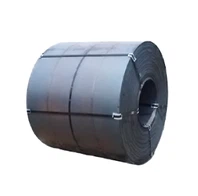
In the modern industrial landscape, the production of pipeline plates, such as the X60 grade, plays a crucial role in various sectors, including oil and gas transportation. However, this production process also has a significant environmental impact. As a supplier of pipeline plate X60, I am acutely aware of the responsibility we bear in reducing this environmental footprint. In this blog, I will share some effective strategies that can be employed to minimize the environmental impact of pipeline plate X60 production.

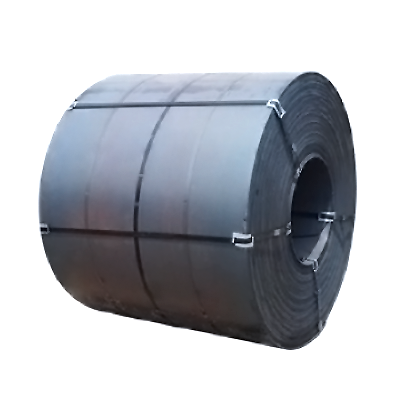
1. Raw Material Sourcing
The first step in reducing the environmental impact of pipeline plate X60 production lies in responsible raw material sourcing. The primary raw materials for X60 pipeline plates are iron ore and various alloying elements. When sourcing iron ore, we should prioritize suppliers who adhere to sustainable mining practices. Sustainable mining involves minimizing land disturbance, reducing water pollution, and rehabilitating mined areas.
One way to ensure sustainable sourcing is to work with suppliers who have obtained relevant environmental certifications, such as the Forest Stewardship Council (FSC) for forest - related products or equivalent certifications for mining operations. Additionally, using recycled steel as a portion of the raw material can significantly reduce the environmental impact. Recycled steel requires less energy to produce compared to virgin steel, as the melting process for recycled steel consumes less energy than the extraction and refining of iron ore. For example, studies have shown that recycling steel can save up to 75% of the energy required for primary steel production (World Steel Association).
2. Energy Efficiency in Production
Energy consumption is a major contributor to the environmental impact of pipeline plate X60 production. To reduce this impact, we need to focus on improving energy efficiency throughout the production process. This can be achieved through several measures.
Firstly, upgrading the production equipment is essential. Modern, energy - efficient furnaces and rolling mills can significantly reduce energy consumption. For instance, electric arc furnaces (EAFs) are generally more energy - efficient than traditional blast furnaces, especially when using recycled steel as the main raw material. EAFs can melt steel scrap using electricity, which can be sourced from renewable energy sources such as solar, wind, or hydro power.
Secondly, implementing energy management systems can help monitor and control energy consumption in real - time. These systems can identify areas of high energy usage and suggest optimization strategies. For example, adjusting the operating parameters of the furnaces and rolling mills based on the production schedule can reduce energy waste. Additionally, heat recovery systems can be installed to capture and reuse the waste heat generated during the production process. This heat can be used for pre - heating the raw materials or for other industrial processes within the plant.
3. Waste Management
Proper waste management is another crucial aspect of reducing the environmental impact of pipeline plate X60 production. The production process generates various types of waste, including slag, dust, and scrap metal.
Slag, a by - product of the steelmaking process, can be recycled and used in other industries. For example, slag can be used as a raw material in the cement industry, replacing a portion of the traditional cement raw materials. This not only reduces the amount of waste sent to landfills but also conserves natural resources.
Dust generated during the production process can be collected and treated to prevent air pollution. Advanced dust collection systems, such as bag filters and electrostatic precipitators, can effectively capture dust particles. The collected dust can then be recycled or disposed of in an environmentally friendly manner.
Scrap metal generated during the production process should be recycled back into the production system. This not only reduces waste but also saves energy and raw materials. By implementing a comprehensive waste management plan, we can minimize the environmental impact of waste disposal and contribute to a circular economy.
4. Water Conservation
Water is an essential resource in the production of pipeline plate X60, used for cooling, cleaning, and other processes. However, excessive water consumption can lead to water scarcity and pollution. To reduce water usage, we can implement several water conservation measures.
One approach is to install water recycling systems. These systems can treat and reuse the water used in the production process. For example, the cooling water can be treated and recycled back to the cooling system, reducing the need for fresh water intake. Additionally, optimizing the water - using processes can also reduce water consumption. For instance, using high - pressure water jets instead of large - volume water sprays for cleaning can achieve the same cleaning effect with less water.
We should also ensure proper wastewater treatment before discharging it into the environment. Wastewater from the production process may contain heavy metals and other pollutants. Advanced wastewater treatment technologies, such as reverse osmosis and biological treatment, can effectively remove these pollutants and ensure that the discharged water meets environmental standards.
5. Product Design and Innovation
In addition to improving the production process, product design and innovation can also contribute to reducing the environmental impact of pipeline plate X60. By designing more efficient pipeline systems, we can reduce the amount of pipeline plate required for a given project.
For example, using high - strength pipeline plates can allow for thinner wall thicknesses while maintaining the same level of strength and durability. This reduces the amount of steel used in the pipeline construction, which in turn reduces the environmental impact of production. Additionally, developing corrosion - resistant pipeline plates can extend the service life of the pipelines, reducing the frequency of replacement and the associated environmental impact.
Moreover, exploring alternative materials or composite materials for pipeline construction can also be considered. These materials may have lower environmental impacts during production and use. For example, some composite materials are lighter and more corrosion - resistant than steel, which can reduce energy consumption during transportation and installation.
6. Supply Chain Collaboration
Reducing the environmental impact of pipeline plate X60 production cannot be achieved in isolation. It requires collaboration throughout the supply chain, from raw material suppliers to end - users.
We should work closely with our raw material suppliers to ensure sustainable sourcing practices. By sharing environmental goals and requirements, we can encourage suppliers to adopt more sustainable production methods. Additionally, collaborating with logistics partners can help reduce the carbon footprint associated with transportation. For example, optimizing the transportation routes and using more fuel - efficient vehicles can reduce greenhouse gas emissions.
We can also engage with our customers to promote the use of sustainable pipeline solutions. By providing information about the environmental benefits of our products and solutions, we can encourage customers to make more environmentally friendly choices. For example, we can offer life - cycle assessment reports for our pipeline plate X60 products, which can help customers understand the environmental impact of the products from cradle to grave.
Conclusion
As a supplier of pipeline plate X60, we have a responsibility to reduce the environmental impact of our production process. By implementing the strategies mentioned above, including responsible raw material sourcing, improving energy efficiency, proper waste management, water conservation, product design and innovation, and supply chain collaboration, we can significantly reduce the environmental footprint of pipeline plate X60 production.
If you are interested in purchasing high - quality, environmentally friendly pipeline plate X60, or if you have any questions about our products and sustainable production practices, please feel free to contact us for further discussion and negotiation. We are committed to providing you with the best solutions that meet both your business needs and environmental requirements.
References
- World Steel Association. (Year). "The Benefits of Recycling Steel".
- Various industry reports on energy efficiency in steel production and sustainable mining practices.