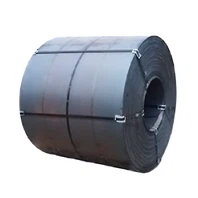
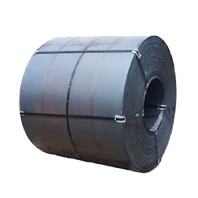
Improving the formability of heavy plates is a crucial aspect for heavy plate suppliers like us. In this blog, we'll delve into the various factors affecting heavy plate formability and the strategies we can adopt to enhance it.
Understanding Heavy Plate Formability
Formability refers to the ability of a material to undergo plastic deformation without cracking or failing. For heavy plates, good formability is essential in applications such as shipbuilding, bridge construction, and pressure vessel manufacturing. When a heavy plate has high formability, it can be bent, rolled, and shaped into the desired geometries with relative ease, reducing the risk of defects and improving the overall quality of the final product.
Factors Affecting Heavy Plate Formability
1. Chemical Composition
The chemical composition of a heavy plate plays a significant role in its formability. Elements such as carbon, manganese, silicon, and alloying elements can have both positive and negative impacts.


- Carbon: Higher carbon content generally increases the strength of the plate but reduces its ductility and formability. As carbon forms carbides in the steel, it can make the material more brittle. For applications where formability is a priority, low - carbon steels are often preferred.
- Manganese: Manganese can improve the hardenability and strength of the steel while also enhancing its formability to some extent. It helps in refining the grain structure and reducing the adverse effects of sulfur.
- Alloying Elements: Elements like nickel, chromium, and molybdenum are added to improve specific properties such as corrosion resistance and high - temperature strength. However, excessive amounts of these elements can sometimes reduce formability. For example, A633GRD is a low - alloy steel plate with a well - balanced chemical composition that offers a good combination of strength and formability.
2. Microstructure
The microstructure of the heavy plate is closely related to its formability. A fine - grained microstructure generally provides better formability compared to a coarse - grained one. Fine grains offer more grain boundaries, which can act as barriers to dislocation movement and prevent crack propagation during deformation. Heat treatment processes such as normalizing, quenching, and tempering can be used to control the microstructure of the heavy plate. For instance, normalizing can refine the grain structure and improve the uniformity of the microstructure, thereby enhancing formability.
3. Plate Thickness
Thicker heavy plates tend to have lower formability compared to thinner ones. As the thickness increases, the stress distribution during deformation becomes more complex, and the risk of internal defects such as cracking and delamination also increases. When forming thick plates, more energy is required, and special forming techniques may need to be employed to ensure successful deformation.
4. Surface Quality
The surface quality of the heavy plate can also affect its formability. Surface defects such as scratches, cracks, and scale can act as stress concentrators, leading to premature failure during forming. A smooth and clean surface is essential for good formability. Proper surface treatment, such as shot blasting and pickling, can be used to remove surface impurities and improve the surface finish of the plate.
Strategies to Improve Heavy Plate Formability
1. Optimize Chemical Composition
As a heavy plate supplier, we can work closely with steel mills to optimize the chemical composition of the plates. By carefully controlling the carbon content and the addition of alloying elements, we can achieve a balance between strength and formability. For example, for applications where formability is critical, we can recommend low - carbon, high - manganese steels.
2. Control Microstructure through Heat Treatment
Heat treatment is an effective way to control the microstructure of heavy plates. We can offer plates that have undergone appropriate heat treatment processes to our customers. For example, P460QL2 Vessel Plate A516GR70 can be heat - treated to achieve a fine - grained and uniform microstructure, which improves its formability. Normalizing, annealing, and quenching - and - tempering processes can be selected based on the specific requirements of the application.
3. Use Advanced Forming Techniques
For thick heavy plates, advanced forming techniques can be employed to improve formability. Roll bending, press braking, and hydroforming are some of the techniques that can be used. Roll bending is suitable for producing curved plates, while press braking is commonly used for making bends in plates. Hydroforming uses fluid pressure to form the plate, which can reduce the risk of cracking and improve the formability of complex shapes.
4. Improve Surface Quality
We can ensure that our heavy plates have a high - quality surface finish. This can be achieved through proper cleaning and descaling processes during production. Additionally, we can apply protective coatings to the plates to prevent surface corrosion and damage during storage and transportation.
Case Studies
Let's take a look at some real - world examples of how improving formability can benefit our customers.
In the shipbuilding industry, a customer was using heavy plates for constructing the hull of a ship. The initial plates had poor formability, which led to frequent cracking during the bending and shaping processes. After working with us, we provided them with S355JR plates that had been optimized in terms of chemical composition and heat - treated to have a fine - grained microstructure. As a result, the formability of the plates improved significantly, and the production process became more efficient, with fewer defects and less rework.
Conclusion
Improving the formability of heavy plates is a multi - faceted challenge that requires a comprehensive approach. By understanding the factors affecting formability, such as chemical composition, microstructure, plate thickness, and surface quality, and implementing strategies like optimizing chemical composition, controlling microstructure through heat treatment, using advanced forming techniques, and improving surface quality, we can provide our customers with heavy plates that offer excellent formability.
If you are in need of high - formability heavy plates for your projects, we are here to help. Our team of experts can work with you to understand your specific requirements and provide the best solutions. Contact us for more information and to start a procurement discussion.
References
- "Metallurgy of Steels" by George E. Totten and D. Scott MacKenzie
- "Forming Processes for Metals" by Peter Groche and Christoph Mahnken
- Industry standards and guidelines related to heavy plate manufacturing and forming.