Hey there! I'm a supplier of clad plates, and I've been getting a lot of questions lately about how to improve the anti-wear properties of these plates. So, I thought I'd share some tips and tricks that I've picked up over the years.
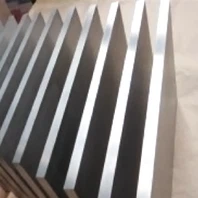
First off, let's talk about what clad plates are. Clad plates are made by bonding two or more different metals together. This creates a plate that has the best properties of each metal. For example, you might have a plate that has a hard, wear-resistant surface on top of a tough, ductile base metal.
Now, let's get into the nitty-gritty of how to improve the anti-wear properties of clad plates.
Material Selection
The first step in improving the anti-wear properties of clad plates is choosing the right materials. Different metals have different wear resistance characteristics. For instance, stainless steel is known for its corrosion resistance and moderate wear resistance. When we talk about clad plates, combinations like S355JR+304L, A537CL2+304L - Stainless Steel Clad Plate, and A516GR70 +304L Clad Plate are popular. The 304L stainless steel layer on top provides good corrosion and wear resistance, while the base metals like S355JR, A537CL2, and A516GR70 offer strength and toughness.
If you're dealing with a high-wear environment, you might want to consider using a harder metal for the cladding layer. Tungsten carbide, for example, is extremely hard and has excellent wear resistance. However, it's also brittle, so you need to make sure it's bonded properly to a more ductile base metal.
Surface Treatment
Surface treatment is another important factor in improving wear resistance. One common method is heat treatment. By heating the clad plate to a specific temperature and then cooling it at a controlled rate, you can change the microstructure of the metal, making it harder and more wear-resistant.
Shot peening is also a great option. This process involves bombarding the surface of the clad plate with small metal shots. The impact of the shots creates compressive stresses on the surface, which can improve the plate's resistance to wear and fatigue.
Coating the surface of the clad plate is yet another way to enhance its anti-wear properties. There are various types of coatings available, such as ceramic coatings and polymer coatings. Ceramic coatings are hard and can provide excellent wear protection, while polymer coatings can offer good chemical resistance in addition to some wear resistance.
Bonding Quality
The quality of the bond between the different layers of the clad plate is crucial. A poor bond can lead to delamination, which will significantly reduce the plate's wear resistance. To ensure a good bond, you need to use the right bonding method.
Explosive bonding is a popular technique. It uses the energy from an explosion to bond the metals together. This method creates a strong, metallurgical bond between the layers. Another method is roll bonding, where the metals are heated and then passed through a set of rollers to bond them together.
During the bonding process, it's important to control the parameters such as temperature, pressure, and time. These parameters can affect the quality of the bond and, ultimately, the wear resistance of the clad plate.
Design Considerations
The design of the clad plate can also impact its anti-wear properties. For example, the thickness of the cladding layer matters. A thicker cladding layer will generally provide better wear resistance, but it can also increase the cost. You need to find a balance between the thickness of the cladding layer and the overall cost of the plate.
The shape of the clad plate can also play a role. If the plate is going to be used in a high-wear area, you might want to design it with rounded edges or a smooth surface. Sharp edges can concentrate stress and lead to premature wear.
Maintenance
Proper maintenance is essential for keeping the anti-wear properties of clad plates intact. Regular cleaning can prevent the buildup of debris and contaminants on the surface of the plate, which can cause wear. You should also inspect the plate regularly for any signs of damage, such as cracks or delamination.
If you notice any damage, it's important to repair it as soon as possible. Small repairs can prevent the damage from spreading and extend the lifespan of the clad plate.
In conclusion, improving the anti-wear properties of clad plates involves a combination of material selection, surface treatment, bonding quality, design considerations, and maintenance. By paying attention to these factors, you can ensure that your clad plates perform well in high-wear environments.
If you're interested in purchasing high-quality clad plates or have any questions about improving their anti-wear properties, feel free to reach out for a chat. We can discuss your specific needs and find the best solution for you.
References
- ASM Handbook Volume 1: Properties and Selection: Irons, Steels, and High-Performance Alloys
- Metals Handbook Desk Edition, 3rd Edition
- Welding and Joining of Dissimilar Metals, Second Edition