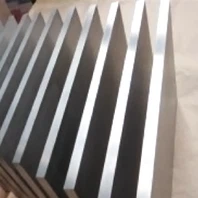
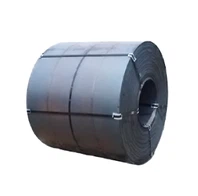
As a supplier of JISG3106 SM490 steel, I often encounter inquiries about various technical aspects of this material. One of the most frequently asked questions is about the normalizing temperature of JISG3106 SM490. In this blog post, I will delve into this topic, providing in - depth information based on scientific knowledge and practical experience.
Understanding JISG3106 SM490
JISG3106 SM490 is a type of high - strength welded structural steel, which is widely used in various industries such as construction, bridges, and heavy machinery. This steel grade is known for its excellent strength, weldability, and toughness. The "JIS" stands for Japanese Industrial Standards, which means that this steel adheres to the strict quality and performance requirements set by Japanese standards.
The chemical composition of JISG3106 SM490 typically includes elements such as carbon (C), silicon (Si), manganese (Mn), phosphorus (P), sulfur (S), and others. These elements play crucial roles in determining the mechanical properties of the steel. For example, carbon increases the strength of the steel, while silicon and manganese improve its hardenability and toughness.
The Importance of Normalizing
Normalizing is a heat treatment process that involves heating the steel to a specific temperature and then allowing it to cool in air. This process is essential for several reasons. Firstly, it refines the grain structure of the steel. A fine - grained structure leads to improved mechanical properties, such as increased strength, toughness, and ductility. Secondly, normalizing can relieve internal stresses that may have been introduced during the manufacturing process, such as rolling or forging. By reducing internal stresses, the steel becomes more stable and less prone to cracking or distortion during subsequent processing or use.
Determining the Normalizing Temperature of JISG3106 SM490
The normalizing temperature of JISG3106 SM490 is typically in the range of 880 - 940°C (1616 - 1724°F). This temperature range is determined based on the chemical composition of the steel and the desired mechanical properties.
The upper critical temperature (Ac3) of the steel is an important factor in determining the normalizing temperature. The Ac3 is the temperature above which the steel completely transforms into austenite, a face - centered cubic crystal structure. For JISG3106 SM490, the Ac3 temperature is usually around 850 - 880°C. To ensure complete austenitization and achieve a fine - grained structure after cooling, the normalizing temperature is set slightly above the Ac3 temperature.
When heating the steel to the normalizing temperature, it is crucial to heat it at a controlled rate. A slow heating rate allows for uniform heating throughout the steel, preventing the formation of thermal gradients that could lead to uneven grain growth or cracking. Once the steel reaches the normalizing temperature, it should be held at that temperature for a sufficient time to ensure complete austenitization. The holding time depends on the thickness of the steel section. Generally, a holding time of 1 - 2 minutes per millimeter of thickness is recommended.
After holding at the normalizing temperature, the steel is allowed to cool in air. Air cooling provides a relatively fast cooling rate compared to furnace cooling, which helps to obtain a fine - grained structure. The cooling rate also affects the mechanical properties of the steel. A faster cooling rate can result in higher strength but lower ductility, while a slower cooling rate may lead to lower strength but higher ductility.
Comparison with Other Steel Grades
It is interesting to compare the normalizing temperature of JISG3106 SM490 with other related steel grades. For example, SM520C is another high - strength welded structural steel. The normalizing temperature of SM520C is also in a similar range, typically between 880 - 940°C. This similarity is due to the fact that these steel grades have similar chemical compositions and are designed for similar applications.
NM450 Abrasion Resistant Wear Plates have a different normalizing temperature requirement. NM450 is mainly used for applications where high abrasion resistance is needed, such as in mining equipment and earth - moving machinery. The normalizing temperature of NM450 is usually higher, around 900 - 950°C, because it contains more alloying elements that require a higher temperature for complete austenitization.
SM570 is a high - strength steel with even higher strength requirements than JISG3106 SM490. The normalizing temperature of SM570 is typically in the range of 900 - 950°C. The higher normalizing temperature is necessary to dissolve the alloying elements and achieve the desired strength and toughness.

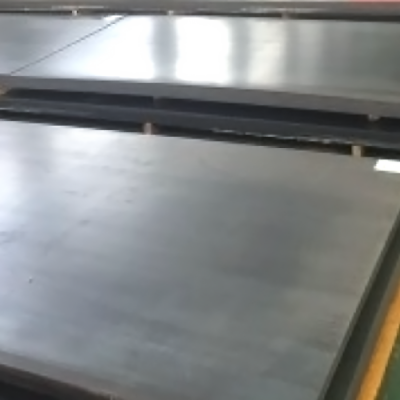
Practical Considerations in Normalizing JISG3106 SM490
In a practical manufacturing environment, there are several factors that need to be considered when normalizing JISG3106 SM490. Firstly, the size and shape of the steel product can affect the normalizing process. Large and thick sections may require a longer heating time and a slower cooling rate to ensure uniform heat treatment. Secondly, the furnace used for normalizing should be well - calibrated to ensure accurate temperature control. Any deviation in temperature can lead to inconsistent mechanical properties of the steel.
It is also important to note that the normalizing process should be followed by proper quality control measures. This includes non - destructive testing (NDT) methods such as ultrasonic testing and magnetic particle testing to detect any internal defects or cracks. Additionally, mechanical testing such as tensile testing, impact testing, and hardness testing should be carried out to verify that the steel meets the required mechanical properties.
Conclusion
In conclusion, the normalizing temperature of JISG3106 SM490 is typically in the range of 880 - 940°C. This temperature range is determined based on the chemical composition of the steel and the desired mechanical properties. Normalizing is a crucial heat treatment process that refines the grain structure, relieves internal stresses, and improves the overall quality of the steel.
As a supplier of JISG3106 SM490, we are committed to providing high - quality steel products that meet the strictest industry standards. Our team of experts has extensive experience in heat treatment processes and can ensure that the normalizing process is carried out accurately and efficiently.
If you are interested in purchasing JISG3106 SM490 or have any questions about its normalizing process or other technical aspects, please feel free to contact us for further discussion and negotiation. We look forward to serving your steel procurement needs.
References
- "Steel Heat Treatment: Principles and Processes" by George E. Totten and David Scott MacKenzie.
- "Metallurgy for Engineers" by George L. Kehl.
- Japanese Industrial Standards (JIS) for structural steels.