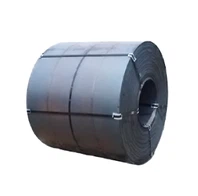
The railway industry stands as a cornerstone of modern transportation, facilitating the movement of people and goods across vast distances with efficiency and reliability. At the heart of this industry lies a crucial component: heavy plates. As a leading heavy plate supplier, I've witnessed firsthand the diverse and indispensable applications of heavy plates in the railway sector. In this blog, I'll delve into the various ways heavy plates contribute to the construction, operation, and safety of railway systems.
Track Infrastructure
One of the primary applications of heavy plates in the railway industry is in the construction of track infrastructure. Heavy plates are used to manufacture railway sleepers, which are essential for supporting the rails and distributing the load of passing trains evenly. These sleepers are typically made from high - strength steel plates, such as the High Strength Plate, which can withstand the immense pressure and dynamic forces exerted by trains.
The durability of heavy plates ensures that railway sleepers have a long service life, reducing the need for frequent replacements and maintenance. Additionally, the use of heavy plates in sleepers provides stability to the tracks, preventing them from shifting or deforming under heavy loads. This is particularly important in high - traffic areas and regions with challenging environmental conditions.
Another aspect of track infrastructure where heavy plates play a vital role is in the construction of railway bridges. Bridges are critical components of railway networks, allowing trains to cross rivers, valleys, and other obstacles. Heavy plates are used to fabricate the structural components of bridges, including girders, beams, and trusses.
SM520C is a type of low - alloy steel plate that is commonly used in bridge construction. It offers excellent strength, toughness, and weldability, making it suitable for withstanding the complex stress patterns and environmental factors that bridges are exposed to. The use of heavy plates in bridge construction ensures the structural integrity and safety of railway bridges, enabling them to support the weight of trains for many years.
Rolling Stock
Heavy plates are also extensively used in the manufacturing of rolling stock, which includes locomotives, passenger cars, and freight wagons. In locomotives, heavy plates are used to construct the main frames and chassis, providing a strong and stable foundation for the engine, transmission, and other components. The high strength of heavy plates allows locomotives to operate under extreme conditions, such as high speeds and heavy loads.

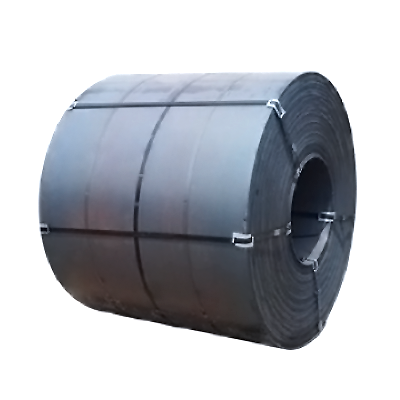
For passenger cars and freight wagons, heavy plates are used in the construction of the body structures. The body of a railway car needs to be strong enough to protect passengers and cargo from external impacts and vibrations. SM490C is a popular choice for car body construction due to its good mechanical properties and corrosion resistance.
The use of heavy plates in rolling stock manufacturing also contributes to the energy efficiency of trains. By using lightweight yet strong plates, the overall weight of the rolling stock can be reduced, which in turn reduces the energy consumption required to move the train. This is an important consideration in the railway industry, as it helps to lower operating costs and reduce environmental impact.
Safety and Maintenance Equipment
In addition to track infrastructure and rolling stock, heavy plates are used in the production of safety and maintenance equipment in the railway industry. For example, heavy plates are used to manufacture buffer stops, which are installed at the end of railway tracks to prevent trains from over - running. Buffer stops need to be able to absorb the kinetic energy of a train in the event of an emergency, and heavy plates provide the necessary strength and durability for this purpose.
Heavy plates are also used in the construction of maintenance equipment, such as cranes and lifting devices. These pieces of equipment are used to perform tasks such as track repair, locomotive maintenance, and car body inspection. The high strength and stability of heavy plates ensure that these maintenance equipment can operate safely and effectively, even when handling heavy loads.
Signaling and Communication Systems
Although not as obvious as the previous applications, heavy plates also have a role to play in the railway's signaling and communication systems. Signal masts and communication towers are often constructed using heavy plates. These structures need to be tall and stable to ensure that signals can be transmitted clearly and communication equipment can function properly.
The use of heavy plates in signal masts and communication towers provides the necessary strength to withstand wind, weather, and other environmental factors. This helps to ensure the reliability of the railway's signaling and communication systems, which are essential for the safe and efficient operation of trains.
Conclusion
In conclusion, heavy plates are an essential component in the railway industry, with applications spanning across track infrastructure, rolling stock, safety and maintenance equipment, and signaling and communication systems. As a heavy plate supplier, I understand the importance of providing high - quality plates that meet the strict requirements of the railway industry.
Our heavy plates, such as SM520C, High Strength Plate, and SM490C, are manufactured using advanced technology and strict quality control processes to ensure their performance and reliability.
If you are involved in the railway industry and are in need of heavy plates for your projects, I encourage you to contact us for a detailed discussion. We are committed to providing you with the best - suited heavy plate solutions and excellent customer service. Let's work together to contribute to the development and safety of the railway industry.
References
- Railway Engineering Handbook, various editions
- Steel Construction Manual for Railway Applications
- Research papers on the use of steel plates in railway infrastructure and rolling stock