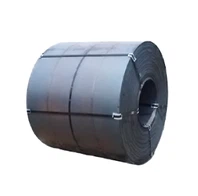
As a supplier of high strength plates, I've witnessed firsthand the numerous advantages these materials bring to various industries. High strength plates are engineered to withstand heavy loads and harsh conditions, making them a top choice for a wide range of applications. In this blog, I'll delve into the key benefits of high strength plates and explain why they are an excellent investment for your projects.
1. Superior Strength-to-Weight Ratio
One of the most significant advantages of high strength plates is their exceptional strength-to-weight ratio. These plates are designed to provide high strength while maintaining a relatively low weight. This characteristic is crucial in industries such as automotive, aerospace, and construction, where reducing weight without compromising strength is a top priority.
In the automotive industry, for example, high strength plates are used to manufacture vehicle frames and structural components. By using these plates, automakers can reduce the overall weight of the vehicle, which in turn improves fuel efficiency and reduces emissions. At the same time, the high strength of the plates ensures the safety and durability of the vehicle.
In the aerospace industry, high strength plates are used to build aircraft structures. The light weight of these plates helps to reduce the weight of the aircraft, which is essential for achieving better fuel economy and longer flight ranges. Additionally, the high strength of the plates can withstand the extreme forces experienced during flight, ensuring the safety of the aircraft and its passengers.
2. Enhanced Durability
High strength plates are known for their excellent durability. They are resistant to wear, corrosion, and fatigue, which makes them suitable for use in harsh environments. In the construction industry, high strength plates are used in the construction of bridges, buildings, and offshore structures. These structures are often exposed to harsh weather conditions, such as rain, wind, and saltwater, which can cause corrosion and damage to traditional steel plates. However, high strength plates are designed to resist these elements, ensuring the long-term durability of the structures.
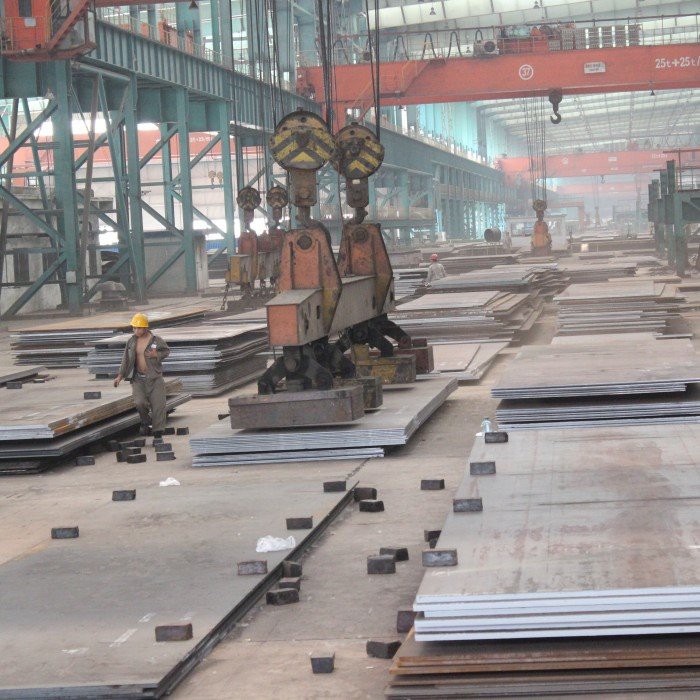
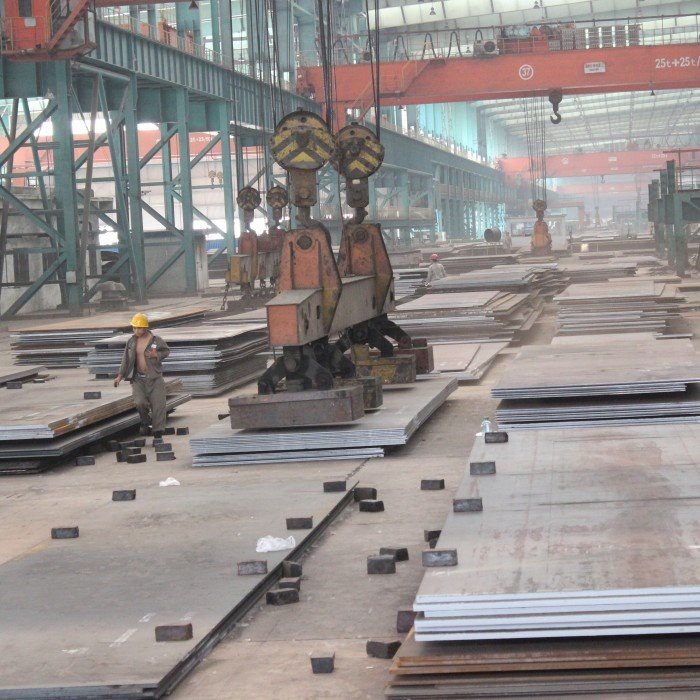
For instance, in coastal areas, bridges and offshore platforms are constantly exposed to saltwater, which can accelerate the corrosion process. High strength plates with corrosion-resistant coatings can significantly extend the service life of these structures, reducing maintenance costs and ensuring the safety of the public.
In the mining industry, high strength plates are used to manufacture equipment such as dump trucks, excavators, and crushers. These machines are subjected to heavy loads and abrasive materials on a daily basis. The high strength and wear resistance of the plates ensure that the equipment can operate efficiently and reliably for a long time, minimizing downtime and increasing productivity.
3. Cost-Effectiveness
Although high strength plates may have a higher initial cost compared to traditional steel plates, they offer significant cost savings in the long run. Due to their high strength and durability, high strength plates require less material to achieve the same level of performance as traditional plates. This means that less steel is needed for a project, which can reduce material costs.
In addition, the reduced weight of high strength plates can also lead to cost savings in transportation and installation. Since the plates are lighter, they require less energy to transport, which can lower transportation costs. Moreover, the installation process is often easier and faster, which can reduce labor costs and construction time.
For example, in a large-scale construction project, using high strength plates can reduce the amount of steel required by up to 30%. This not only saves on material costs but also reduces the environmental impact of the project. The faster installation time can also allow the project to be completed earlier, generating revenue sooner.
4. Design Flexibility
High strength plates offer greater design flexibility compared to traditional steel plates. Their high strength allows for the design of lighter and more compact structures. This is particularly beneficial in industries where space is limited, such as in the automotive and aerospace industries.
In automotive design, high strength plates enable engineers to create more aerodynamic and stylish vehicles. The ability to use thinner and lighter plates without sacrificing strength allows for more creative freedom in shaping the body of the car. This can improve the vehicle's performance, fuel efficiency, and overall appearance.
In the aerospace industry, high strength plates allow for the design of more advanced and efficient aircraft. Engineers can use these plates to create complex shapes and structures that are optimized for flight performance. The design flexibility also enables the integration of new technologies and features, such as advanced avionics and lightweight materials, to enhance the capabilities of the aircraft.
5. Versatility
High strength plates are available in a variety of grades and specifications, making them suitable for a wide range of applications. Whether you need a plate for a high-stress structural application or a corrosion-resistant plate for a marine environment, there is a high strength plate that meets your requirements.
Some of the popular grades of high strength plates include S690QL, S960QL, and S690QL1. These grades offer different levels of strength, toughness, and corrosion resistance, allowing you to choose the most appropriate plate for your specific application.
For example, S690QL is a high-strength quenched and tempered steel plate that is widely used in the construction of heavy machinery, bridges, and offshore structures. It offers excellent strength and toughness, making it suitable for applications where high loads and impact resistance are required.
S960QL is an ultra-high strength steel plate that is used in applications where the highest level of strength is needed, such as in the manufacturing of cranes, mining equipment, and military vehicles.
S690QL1 is a variant of S690QL with improved low-temperature toughness, which makes it suitable for use in cold environments.
Conclusion
In conclusion, high strength plates offer a multitude of advantages that make them an ideal choice for various industries. Their superior strength-to-weight ratio, enhanced durability, cost-effectiveness, design flexibility, and versatility make them a valuable investment for any project.
If you're interested in learning more about our high strength plates or have a specific project in mind, I encourage you to reach out to us for a detailed discussion. We have a team of experts who can provide you with the best solutions based on your requirements. Let's work together to achieve your project goals with the help of high strength plates.
References
- ASM Handbook Committee. (2008). ASM Handbook Volume 1: Properties and Selection: Irons, Steels, and High-Performance Alloys. ASM International.
- Bhadeshia, H. K. D. H., & Honeycombe, R. W. K. (2017). Steels: Microstructure and Properties. Butterworth-Heinemann.
- Degarmo, E. P., Black, J. T., & Kohser, R. A. (2003). Materials and Processes in Manufacturing. John Wiley & Sons.