Hey there! I'm a supplier of high strength plates, and today I wanna chat about the transportation requirements for these bad - boys. High strength plates are used in a ton of industries, from construction to manufacturing, and getting them to the right place in one piece is super important.
First off, let's talk about the characteristics of high strength plates that affect transportation. These plates are, well, strong! They're made to withstand a lot of stress and pressure, which also means they're usually heavy. The weight is a major factor when it comes to transportation. Heavy loads need special handling and the right kind of vehicles.
For smaller quantities of high strength plates, a flatbed truck can be a good option. Flatbed trucks are great because they allow for easy loading and unloading. You can use a crane to lift the plates onto the truck, and they're exposed, so you can easily check on them during transit. But there are some things to keep in mind. The plates need to be secured properly. We don't want them shifting around during the journey. Straps and chains are commonly used to hold the plates in place. You gotta make sure they're tightened enough so that the plates won't move, but not so tight that they damage the plates.

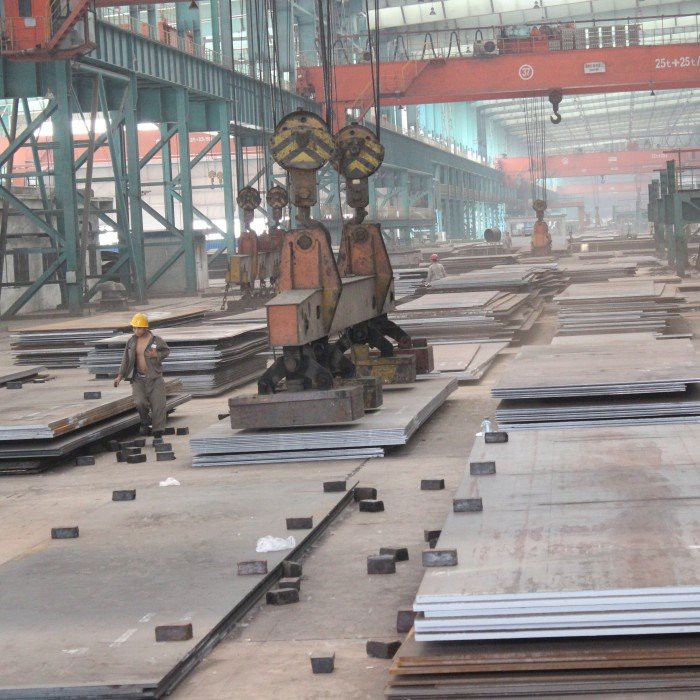
When it comes to larger quantities or really big plates, an open - top container might be a better choice. Open - top containers are like big metal boxes with an open top. They can hold a lot of plates and are more protected than a flatbed truck. They're also easier to stack on ships if you're doing international shipping. But again, proper securing is key. Inside the container, you can use wooden blocks or other padding materials to prevent the plates from hitting each other and getting damaged.
Now, let's talk about some specific types of high strength plates and their transportation needs. The A514GRE Astm A514 is a popular high strength plate. It's often used in structural applications where high strength and good weldability are required. Due to its strength, it's usually quite heavy. When transporting A514GRE Astm A514, you need to pay extra attention to the weight distribution. If the weight isn't evenly distributed on the truck or container, it can cause problems like uneven tire wear or even make the vehicle unstable.
Another type is the S690QL. This plate is known for its high yield strength and good toughness. It's used in applications like cranes and mining equipment. S690QL plates are often quite large in size. When transporting them, you need to consider the dimensions. You have to make sure that the transportation vehicle can accommodate the length, width, and height of the plates. Also, because of their size, they might be more difficult to handle during loading and unloading. Specialized equipment like large - capacity cranes might be needed.
The S690QL1 is similar to S690QL but with some enhanced properties. It's even more important to protect these plates during transportation. They're often used in high - end applications where any damage can be costly. You might want to use additional protective covers, like plastic sheets or rubber mats, to prevent scratches and dents.
Climate and weather also play a big role in the transportation of high strength plates. If it's raining or snowing, you need to make sure the plates are protected from moisture. Moisture can cause rusting, which can weaken the plates over time. For open - top trucks, you can use tarps to cover the plates. For containers, make sure they're sealed properly to keep the water out.
Temperature can also be an issue. Extreme cold can make the plates more brittle, and extreme heat can cause expansion. During long - distance transportation, especially in areas with big temperature differences, you need to monitor the temperature inside the container or around the plates on the truck. Some advanced transportation methods even use temperature - controlled containers for high - value or sensitive high strength plates.
Documentation is another important part of the transportation process. You need to have all the necessary papers, like the bill of lading, which shows the details of the shipment, including the quantity, type, and destination of the high strength plates. You also need to have any certificates related to the quality and specifications of the plates. This is especially important for international shipments, as customs officials will want to see these documents.
In addition to physical protection, insurance is a must - have. High strength plates can be expensive, and any damage during transportation can result in significant losses. Make sure you have a good insurance policy that covers all possible risks, like damage from accidents, theft, or natural disasters.
When it comes to international transportation, there are more rules and regulations to follow. Different countries have different import and export requirements. You need to be aware of things like customs duties, tariffs, and any restrictions on the type of high strength plates you're shipping. You might need to work with a freight forwarder who has experience in handling high strength plate shipments. They can help you navigate through all the paperwork and ensure that your shipment complies with all the relevant regulations.
To sum it up, transporting high strength plates requires careful planning and attention to detail. You need to consider the weight, size, type of the plates, as well as the climate, documentation, and insurance. Whether you're using a flatbed truck, an open - top container, or shipping internationally, making sure the plates arrive at their destination in good condition is the top priority.
If you're in the market for high strength plates and want to discuss the best transportation options for your specific needs, feel free to reach out. We can work together to find the most cost - effective and reliable way to get your high strength plates where they need to go. Let's start a conversation and make your high strength plate procurement and transportation a smooth process.
References
- ASTM International standards related to high strength plates
- Industry reports on high strength plate transportation
- Maritime and land transportation regulations