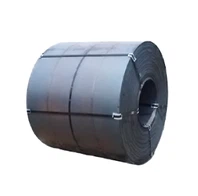
Hey there! As a supplier of abrasion plates, I've seen firsthand how a well - installed abrasion plate can make a world of difference in performance. In this blog, I'm gonna share some tips on how to optimize the installation of an abrasion plate for better performance.
Pre - installation Considerations
Before you even start the installation process, there are a few things you need to think about. First off, you gotta choose the right type of abrasion plate for your application. We offer different grades like the NM400 Abrasion Plate, NM500 Wear Steel Plate, and NM600 Abrasion Steel Plate. Each of these has its own unique properties.
The NM400 is great for general - purpose wear applications. It has a good balance between hardness and toughness, which means it can withstand a fair amount of wear and tear without cracking easily. If you're dealing with more severe abrasion, the NM500 might be a better choice. It's harder than the NM400, so it can resist abrasion better, but it's also a bit more brittle. And for the most extreme abrasion scenarios, the NM600 is your go - to. It's super hard, but you gotta be careful with how you handle it because it's quite brittle.
Next, you need to measure the area where the abrasion plate will be installed. Make sure you get accurate measurements so that the plate fits perfectly. Any gaps or misalignments can lead to reduced performance and even premature failure of the plate.
Surface Preparation
Once you've got the right plate and the measurements, it's time to prepare the surface. The surface where the abrasion plate will be installed should be clean, dry, and free of any rust, paint, or debris. You can use a wire brush or a grinder to clean the surface. If there's any rust, make sure you remove it completely. Rust can prevent the plate from bonding properly to the surface, which can cause it to come loose over time.
After cleaning, you might want to roughen the surface a bit. This can help improve the adhesion between the plate and the surface. You can use a sandblaster or a grinder to create a rough texture. Just make sure you don't make it too rough, as that can also cause problems.
Installation Methods
There are a few different ways to install an abrasion plate, and the method you choose depends on your specific application.
Welding
Welding is one of the most common methods. It provides a strong and permanent bond between the plate and the surface. However, it's important to use the right welding technique and filler material. You don't want to overheat the plate, as that can change its properties and reduce its abrasion resistance.
Before you start welding, pre - heat the plate and the base material. This can help prevent cracking during the welding process. Use a low - hydrogen welding rod and a welding current that's appropriate for the thickness of the plate. After welding, let the plate cool down slowly. You can cover it with an insulating material to help with the slow cooling process.
Bolting
Bolting is another option, especially if you need to be able to remove or replace the plate easily. When using bolts, make sure you drill the holes accurately and use the right size and type of bolts. You can use lock washers to prevent the bolts from loosening over time.
The advantage of bolting is that it's less likely to cause damage to the plate compared to welding. However, the bolts themselves can be a weak point. They can wear out or come loose, so you need to check them regularly.
Adhesive Bonding
Adhesive bonding is a good option for applications where you don't want to use welding or bolting. There are special adhesives available that can provide a strong bond between the plate and the surface.


When using adhesive bonding, make sure you follow the manufacturer's instructions carefully. Clean the surfaces thoroughly and apply the adhesive evenly. You might need to use some clamps or weights to hold the plate in place while the adhesive cures.
Post - installation Checks
After the plate is installed, it's important to do some post - installation checks. First, check the alignment of the plate. Make sure it's straight and properly positioned. Any misalignments can cause uneven wear on the plate.
Next, check the tightness of the bolts if you used bolting. If you used welding, check the welds for any cracks or defects. You can use a visual inspection or a non - destructive testing method like ultrasonic testing to check the welds.
Finally, run some tests to make sure the plate is performing as expected. You can monitor the wear rate of the plate over time and compare it to the expected wear rate. If you notice any abnormal wear or performance issues, you might need to take corrective action.
Maintenance
To keep the abrasion plate performing at its best, regular maintenance is key. If you used welding, check the welds periodically for any signs of cracking or corrosion. If you used bolting, check the bolts for tightness and wear.
Clean the plate regularly to remove any dirt, debris, or abrasive particles that might have accumulated on its surface. This can help prevent premature wear. And if you notice any damage to the plate, like cracks or chips, repair or replace it as soon as possible.
Conclusion
Optimizing the installation of an abrasion plate is crucial for getting the best performance out of it. By choosing the right plate, preparing the surface properly, using the right installation method, and doing regular maintenance, you can ensure that your abrasion plate lasts a long time and provides excellent abrasion resistance.
If you're in the market for an abrasion plate or have any questions about installation or performance, don't hesitate to reach out. We're here to help you find the best solution for your needs. Whether it's the NM400, NM500, or NM600, we've got you covered.
References
- "Abrasion - Resistant Steels: Properties, Applications, and Welding", ASM International
- "Handbook of Wear - Resistant Materials", CRC Press