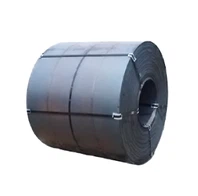
Hey there! As a supplier of Plate A516 Gr 70, I often get asked about its wear resistance. So, I thought I'd write this blog to share some insights on what the wear resistance of Plate A516 Gr 70 really means and why it matters.
First off, let's talk a bit about Plate A516 Gr 70 itself. It's a carbon steel plate that's commonly used in various industries, especially in the construction of pressure vessels. This type of plate is known for its good notch toughness and excellent weldability. But when it comes to wear resistance, there's more to it than meets the eye.
Wear resistance refers to a material's ability to withstand the effects of wear, which can be caused by factors like friction, abrasion, and erosion. In the case of Plate A516 Gr 70, its wear resistance is influenced by several key factors.
One of the main factors is the chemical composition of the plate. Plate A516 Gr 70 contains elements like carbon, manganese, phosphorus, sulfur, silicon, and others. Carbon plays a crucial role in determining the hardness of the steel. A higher carbon content generally leads to increased hardness, which in turn can improve wear resistance. However, too much carbon can also make the steel brittle, so there's a balance that needs to be struck. Manganese helps to improve the strength and toughness of the steel, which can also contribute to better wear resistance.
The microstructure of the plate is another important factor. The way the atoms are arranged in the steel can have a significant impact on its properties. Plate A516 Gr 70 typically has a ferrite - pearlite microstructure. Ferrite is a relatively soft phase, while pearlite is a harder phase. The ratio of ferrite to pearlite and their distribution within the microstructure can affect how the plate responds to wear. A more uniform distribution of the phases can lead to better overall wear resistance.
The heat treatment process also plays a vital role. Heat treatment can alter the microstructure of the steel, changing its hardness, strength, and toughness. For Plate A516 Gr 70, processes like normalizing or quenching and tempering can be used. Normalizing involves heating the steel to a specific temperature and then allowing it to cool in air. This can refine the grain structure of the steel, improving its mechanical properties and wear resistance. Quenching and tempering, on the other hand, can produce a harder and more wear - resistant surface layer while maintaining a tough core.
Now, let's compare Plate A516 Gr 70 with some other similar steel plates. For example, A573GR58 Carbon Steel Plate A283GRC is also a carbon steel plate. While it shares some similarities with Plate A516 Gr 70, its wear resistance might be different due to variations in chemical composition and manufacturing processes. A573GR58 is often used in applications where good strength and toughness are required, but its specific wear - related properties can vary.
Another plate is A572GR50. It's a low - alloy steel plate. The addition of alloying elements in A572GR50 can enhance its strength and wear resistance in certain applications. Compared to Plate A516 Gr 70, A572GR50 might have different wear characteristics depending on the specific service conditions.
And then there's SM490B. This is a Japanese standard low - alloy high - strength steel plate. It's designed for use in general structures and has its own unique set of properties. Its wear resistance might be optimized for different types of wear mechanisms compared to Plate A516 Gr 70.
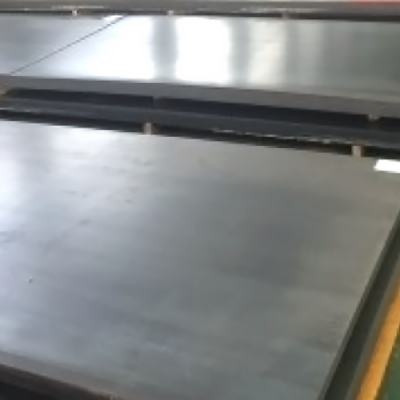
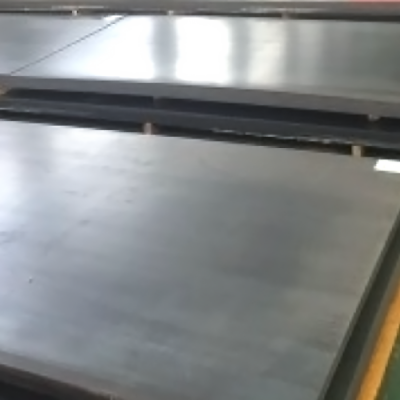
In practical applications, the wear resistance of Plate A516 Gr 70 can make a big difference. For instance, in pressure vessels that are used in abrasive environments, such as those dealing with slurries or granular materials, good wear resistance can extend the service life of the vessel. It can reduce the need for frequent repairs and replacements, which can save a lot of time and money in the long run.
However, it's important to note that the wear resistance of Plate A516 Gr 70 is not absolute. The actual wear performance in a real - world application depends on many factors, including the type of wear (abrasive, adhesive, erosive, etc.), the operating conditions (temperature, pressure, speed), and the nature of the contacting materials.
If you're considering using Plate A516 Gr 70 for an application where wear resistance is a concern, it's a good idea to consult with experts. You can also conduct wear tests to evaluate how the plate will perform under your specific conditions.
As a supplier of Plate A516 Gr 70, I'm here to help you make the right choice. Whether you need more information about the plate's wear resistance, its chemical composition, or its suitability for your application, I'm just a message away. We can have a detailed discussion about your requirements and find the best solution for you. So, if you're in the market for Plate A516 Gr 70 or have any questions related to it, don't hesitate to reach out and start a procurement discussion.
References:
- Metals Handbook, Volume 1: Properties and Selection: Irons, Steels, and High - Performance Alloys.
- ASME Boiler and Pressure Vessel Code, Section II, Part A: Ferrous Material Specifications.