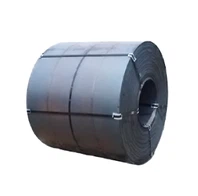
As a supplier of Pipe Line Plate X52, I understand the importance of accurate cutting in various industrial applications. Pipe Line Plate X52 is a high-strength, low-alloy steel plate widely used in the construction of pipelines for transporting oil, gas, and other fluids. Accurate cutting of this material is crucial to ensure the quality and integrity of the final pipeline product. In this blog post, I will share some essential tips and techniques on how to cut Pipe Line Plate X52 accurately.
Understanding Pipe Line Plate X52
Before we delve into the cutting process, it's important to have a basic understanding of Pipe Line Plate X52. This steel plate is known for its excellent weldability, toughness, and corrosion resistance. It is typically produced to meet specific standards such as API 5L, which ensures its suitability for pipeline applications. The chemical composition and mechanical properties of Pipe Line Plate X52 play a significant role in determining the cutting method and parameters.
Choosing the Right Cutting Method
There are several cutting methods available for Pipe Line Plate X52, each with its own advantages and limitations. The choice of cutting method depends on various factors such as the thickness of the plate, the required cutting accuracy, and the available equipment. Here are some common cutting methods used for Pipe Line Plate X52:
1. Plasma Cutting
Plasma cutting is a popular method for cutting Pipe Line Plate X52, especially for thinner plates. It uses a high-velocity jet of ionized gas to melt and blow away the metal. Plasma cutting offers high cutting speeds and can produce relatively smooth cuts. However, it may cause some heat-affected zones and require proper ventilation to remove the fumes generated during the cutting process.
2. Laser Cutting
Laser cutting is a precise and efficient method for cutting Pipe Line Plate X52. It uses a high-powered laser beam to melt and vaporize the metal. Laser cutting can achieve very high cutting accuracy and produce clean, burr-free cuts. It is suitable for both thin and thick plates and can be used to cut complex shapes. However, laser cutting equipment is relatively expensive and requires skilled operators.
3. Oxy-Fuel Cutting
Oxy-fuel cutting is a traditional method for cutting Pipe Line Plate X52, especially for thicker plates. It uses a mixture of oxygen and fuel gas (such as acetylene or propane) to heat and burn the metal. Oxy-fuel cutting offers high cutting power and can cut through thick plates. However, it may cause some distortion and require proper preheating and post-cutting treatment to reduce the heat-affected zones.
Preparing the Plate for Cutting
Before cutting the Pipe Line Plate X52, it's important to prepare the plate properly to ensure accurate cutting. Here are some steps to follow:
1. Cleaning the Plate
Clean the surface of the plate to remove any dirt, rust, or oil. This will help to improve the cutting quality and prevent the formation of defects. You can use a wire brush or a chemical cleaner to clean the plate.
2. Marking the Cutting Line
Use a measuring tape and a marker to mark the cutting line on the plate. Make sure the cutting line is straight and accurate. You can also use a template or a CAD drawing to mark the cutting line if you need to cut complex shapes.
3. Securing the Plate
Secure the plate firmly to the cutting table to prevent it from moving during the cutting process. You can use clamps or magnets to secure the plate. Make sure the plate is level and flat to ensure accurate cutting.
Setting the Cutting Parameters
Once the plate is prepared, it's time to set the cutting parameters according to the chosen cutting method and the thickness of the plate. Here are some factors to consider when setting the cutting parameters:
1. Cutting Speed
The cutting speed is an important parameter that affects the cutting quality and efficiency. It should be set according to the thickness of the plate, the cutting method, and the material properties. Generally, a higher cutting speed can increase the cutting efficiency, but it may also cause some defects such as dross or rough cuts.
2. Gas Pressure
The gas pressure is another important parameter that affects the cutting quality. It should be set according to the cutting method and the thickness of the plate. Generally, a higher gas pressure can increase the cutting power, but it may also cause some distortion or damage to the plate.
3. Arc Voltage (for Plasma Cutting)
The arc voltage is a critical parameter for plasma cutting. It should be set according to the thickness of the plate and the cutting speed. Generally, a higher arc voltage can increase the cutting speed, but it may also cause some heat-affected zones or damage to the cutting torch.
4. Laser Power (for Laser Cutting)
The laser power is a key parameter for laser cutting. It should be set according to the thickness of the plate and the cutting speed. Generally, a higher laser power can increase the cutting speed and accuracy, but it may also cause some heat-affected zones or damage to the plate.
Monitoring the Cutting Process
During the cutting process, it's important to monitor the cutting quality and make any necessary adjustments to the cutting parameters. Here are some things to look for:
1. Cutting Quality
Check the cutting quality regularly to ensure that the cuts are straight, smooth, and free of defects. Look for any signs of dross, rough cuts, or distortion. If you notice any problems, adjust the cutting parameters accordingly.
2. Cutting Speed
Monitor the cutting speed to ensure that it is consistent and within the recommended range. If the cutting speed is too slow, it may cause some heat-affected zones or damage to the plate. If the cutting speed is too fast, it may cause some defects such as dross or rough cuts.
3. Gas Pressure
Monitor the gas pressure to ensure that it is stable and within the recommended range. If the gas pressure is too low, it may cause some defects such as dross or rough cuts. If the gas pressure is too high, it may cause some distortion or damage to the plate.
4. Arc Voltage (for Plasma Cutting)
Monitor the arc voltage to ensure that it is stable and within the recommended range. If the arc voltage is too low, it may cause some defects such as dross or rough cuts. If the arc voltage is too high, it may cause some heat-affected zones or damage to the cutting torch.
5. Laser Power (for Laser Cutting)
Monitor the laser power to ensure that it is stable and within the recommended range. If the laser power is too low, it may cause some defects such as incomplete cuts or rough cuts. If the laser power is too high, it may cause some heat-affected zones or damage to the plate.
Post-Cutting Treatment
After the cutting process is completed, it's important to perform some post-cutting treatment to improve the cutting quality and prevent any potential problems. Here are some steps to follow:
1. Cleaning the Cuts
Clean the cuts to remove any dross, slag, or debris. You can use a wire brush or a grinder to clean the cuts. Make sure the cuts are clean and smooth.
2. Deburring the Cuts
Deburr the cuts to remove any sharp edges or burrs. You can use a deburring tool or a file to deburr the cuts. Make sure the cuts are safe to handle.
3. Heat Treatment (if necessary)
If the cutting process has caused some heat-affected zones or distortion, you may need to perform some heat treatment to relieve the stress and improve the mechanical properties of the plate. You can use a furnace or a heat treatment system to perform the heat treatment.

Conclusion
Accurate cutting of Pipe Line Plate X52 is crucial to ensure the quality and integrity of the final pipeline product. By choosing the right cutting method, preparing the plate properly, setting the cutting parameters correctly, monitoring the cutting process, and performing the post-cutting treatment, you can achieve accurate and high-quality cuts. As a Pipe Line Plate X52 supplier, we are committed to providing our customers with high-quality Pipe Line Plate X52 and professional cutting services. If you have any questions or need further information, please feel free to contact us for procurement and negotiation.
References
- API 5L Specification for Line Pipe
- Welding Handbook, Volume 2: Welding Processes
- Plasma Cutting Handbook
- Laser Cutting Handbook
- Oxy-Fuel Cutting Handbook