Can I wear a steel plate in water? That's a question I've been asked a bunch of times, especially from folks who are into all sorts of industrial and underwater projects. Well, as a wear steel plate supplier, I'm here to break it down for you.
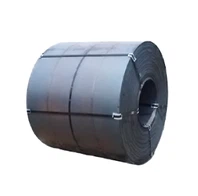
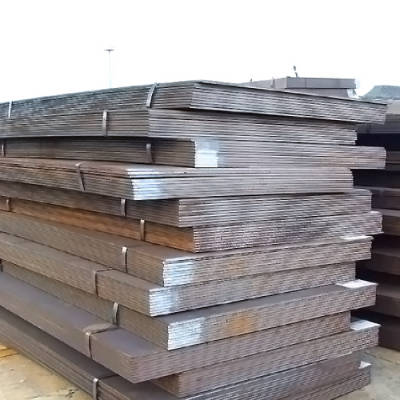
First off, let's talk about the types of steel plates we're dealing with. We've got some top - notch options like the NM360 Abrasion Resistant Plate. This bad boy is known for its excellent abrasion resistance, which means it can handle a lot of rough and tumble. Then there's the NM550, which is even tougher and more resistant to wear and tear. And of course, we can't forget the NM400 Abrasion Plate, a popular choice for many applications.
Now, can you wear a steel plate in water? The short answer is yes, but there are a few things you need to keep in mind.
Corrosion
One of the biggest concerns when it comes to using steel plates in water is corrosion. Water, especially saltwater, is a breeding ground for rust and corrosion. Steel is an alloy made mostly of iron, and when iron comes into contact with oxygen and water, it forms iron oxide, which we know as rust.
But don't worry, not all is lost. Our wear steel plates are designed with special alloys and treatments to resist corrosion to a certain extent. For example, the NM360 Abrasion Resistant Plate has a chemical composition that gives it better corrosion resistance compared to regular steel. However, if you're planning to use it in water for a long time, you might want to consider additional protective measures.
There are several ways to protect steel plates from corrosion in water. One common method is painting. A good quality marine - grade paint can create a barrier between the steel and the water, preventing oxygen and water from reaching the surface of the steel. Another option is galvanizing, which involves coating the steel with a layer of zinc. Zinc is more reactive than iron, so it corrodes first, protecting the underlying steel.
Weight and Buoyancy
Another factor to consider is the weight and buoyancy of the steel plate. Steel is a heavy material, and when you put it in water, it's going to sink. This might not be a problem if you're using the steel plate for something like a foundation or a structure that needs to stay at the bottom of the water. But if you're thinking about using it in a floating application, you'll need to take buoyancy into account.
You can calculate the buoyant force acting on the steel plate using Archimedes' principle, which states that the buoyant force on an object submerged in a fluid is equal to the weight of the fluid displaced by the object. If the weight of the steel plate is greater than the buoyant force, it will sink. To make the steel plate float, you can attach it to a buoyant material like foam or use a design that increases the overall volume of the structure without significantly increasing its weight.
Applications in Water
There are actually quite a few applications where wearing a steel plate in water makes sense.
Marine Construction
In marine construction, steel plates are used for building docks, piers, and offshore platforms. The NM400 Abrasion Plate is often used in these applications because of its strength and abrasion resistance. It can withstand the constant pounding of waves and the impact of boats, ensuring the long - term stability of the structure.
Underwater Pipelines
Underwater pipelines are another area where steel plates come in handy. The NM550 can be used to reinforce the pipelines, protecting them from damage caused by abrasion, corrosion, and external forces. These pipelines are used to transport oil, gas, and other fluids across the ocean floor, and the durability of the steel plates is crucial for their safe operation.
Aquaculture
In aquaculture, steel plates can be used to build fish cages and other structures. The NM360 Abrasion Resistant Plate can be used to create a strong and durable framework that can withstand the harsh marine environment. It can also be used to line the bottom of the cages to prevent fish from escaping and to protect the cages from damage.
Choosing the Right Steel Plate
When choosing a steel plate for use in water, you need to consider the specific requirements of your application. If you need a plate with high abrasion resistance, the NM550 might be the best choice. If corrosion resistance is your main concern, you might want to look into the NM360 Abrasion Resistant Plate. And if you need a balance of both, the NM400 Abrasion Plate could be the way to go.
It's also important to consider the thickness of the steel plate. Thicker plates are generally stronger and more resistant to damage, but they are also heavier. You need to find the right balance between strength and weight for your specific application.

Conclusion
So, to answer the question "Can I wear a steel plate in water?", the answer is yes, but you need to be aware of the potential challenges and take the necessary precautions. Corrosion, weight, and buoyancy are all factors that need to be considered when using steel plates in water.
As a wear steel plate supplier, we've got the expertise and the products to help you with your underwater projects. Whether you're building a marine structure, an underwater pipeline, or an aquaculture facility, we can provide you with the right steel plate for the job.
If you're interested in learning more about our wear steel plates or have any questions about using them in water, don't hesitate to reach out. We're here to help you make the best decision for your project. Let's start a conversation and see how we can work together to get your project off the ground.
References
- ASM Handbook Committee. (2004). ASM Handbook Volume 13A: Corrosion: Fundamentals, Testing, and Protection. ASM International.
- Callister, W. D., & Rethwisch, D. G. (2016). Materials Science and Engineering: An Introduction. Wiley.