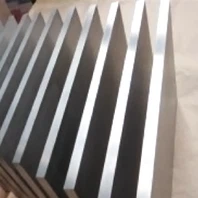
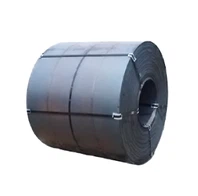
As a reliable supplier of 690QL plates, I understand the criticality of proper transportation to ensure that these high - strength steel plates reach our customers in perfect condition. 690QL plates are renowned for their excellent strength, toughness, and weldability, which are widely used in various industries such as construction machinery, mining equipment, and heavy - duty vehicles. Therefore, we must take meticulous precautions during the transportation process.
1. Packaging Precautions
Proper packaging is the first line of defense for 690QL plates during transportation. The plates should be bundled and wrapped securely to prevent scratches, abrasions, and corrosion. We usually use steel strips or wire ropes to bind the plates together at regular intervals to ensure they remain stable. For additional protection, we wrap the plates with waterproof and anti - corrosion materials such as plastic film or tarpaulin.
When using steel strips or wire ropes for bundling, we ensure that the tension is evenly distributed. Uneven tension can cause the plates to shift during transportation, leading to potential damage. The number of binding points depends on the size and weight of the plates. For larger and heavier plates, we increase the number of binding points to enhance stability.
The waterproof and anti - corrosion wrapping is crucial, especially for long - distance transportation or when the plates are exposed to the elements. Plastic film provides a barrier against moisture, while tarpaulin offers more robust protection against rain, snow, and dust. We also pay attention to the edges of the wrapping to ensure that there are no gaps where moisture could seep in.
2. Loading Precautions
The loading process should be carried out with great care to avoid any physical damage to the 690QL plates. Before loading, the transport vehicle or container should be inspected thoroughly to ensure it is clean, dry, and free from any sharp objects or debris that could scratch or damage the plates.
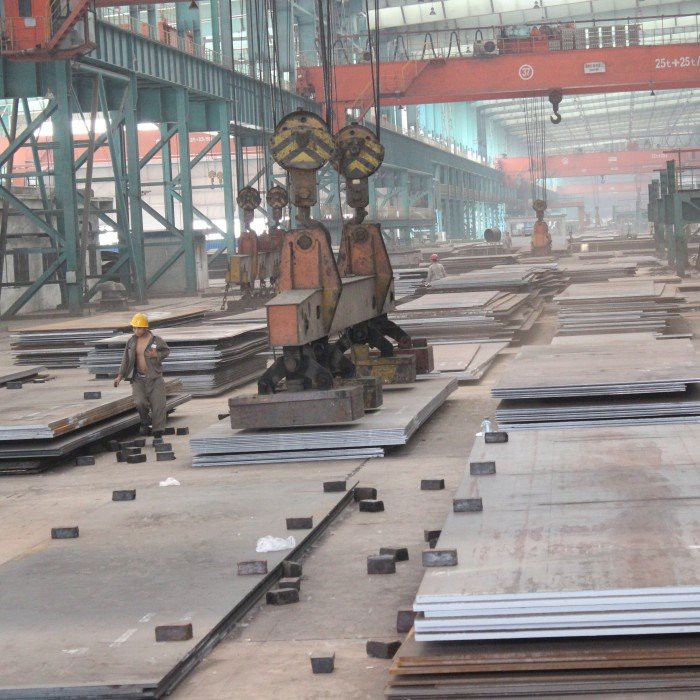
We use appropriate loading equipment, such as cranes or forklifts, and ensure that the lifting points are well - chosen. For 690QL plates, lifting points should be located at the center of gravity to prevent the plates from tilting or bending during lifting. If the plates are too long or wide, we may use multiple lifting points to distribute the weight evenly.
During loading, the plates should be placed in an orderly manner to maximize the use of space and minimize the risk of movement. We stack the plates flat and parallel to each other, and if necessary, we use spacers such as wooden blocks between the plates to prevent direct contact and potential scratches. The stacking height should be within the safe limit of the vehicle or container to avoid instability.
3. Transportation Mode and Route Selection
The choice of transportation mode significantly affects the safety of 690QL plates. Depending on the distance, quantity, and urgency of delivery, we can choose between road, rail, or sea transportation.
Road transportation is flexible and suitable for short - to medium - distance deliveries. It allows for direct door - to - door service, which reduces the risk of multiple handling. However, road conditions can vary greatly, so we need to consider factors such as the quality of the roads, traffic congestion, and the possibility of sudden braking or acceleration. When transporting on rough roads, we may use shock - absorbing pads or shock - proof devices to protect the plates.
Rail transportation is a cost - effective option for long - distance transportation of large quantities of plates. Rails generally provide a more stable ride compared to roads. However, during loading and unloading from railcars, we need to follow strict safety procedures to prevent damage. We also need to ensure that the railcars are properly secured to prevent the plates from shifting during transit.
Sea transportation is often used for international shipments. When using sea freight, the plates are usually loaded into shipping containers. The containers should be well - sealed to prevent water ingress and damage from saltwater. Additionally, we need to consider the potential for rough seas and storms, so proper securing of the containers within the ship is essential.
In addition to choosing the right transportation mode, we also carefully select the transportation route. We avoid routes with known infrastructural issues, such as roads under repair or areas prone to natural disasters. We also take into account traffic patterns and schedule the transportation at times when traffic is less congested to reduce the risk of sudden stops or collisions.
4. Securing During Transportation
Once the 690QL plates are loaded, they must be secured firmly to prevent movement, shifting, or collision during transportation. On road vehicles, we use tie - downs such as ratchet straps to secure the palletized plates to the vehicle's body. The ratchet straps should be tightened to the appropriate tension to hold the plates in place but not so tight that it causes deformation of the plates.
In shipping containers, we use bracing materials such as wooden beams or metal bars to secure the plates. The bracing materials should be placed in a way that restricts the movement of the plates in all directions. For larger or irregularly shaped plates, custom - designed bracing systems may be required.
During rail transportation, we ensure that the plates are locked in place using the proper locking mechanisms provided on the railcars. This can include cleats, chains, or other types of fasteners to prevent the plates from sliding or falling during transit.
5. Monitoring and Protection Against Environmental Factors
690QL plates are vulnerable to environmental factors such as humidity, temperature changes, and dust during transportation. Temperature extremes can cause the plates to expand or contract, potentially leading to warping or cracking. High humidity can cause corrosion, especially if the plates are made of steel.
To monitor the environmental conditions, we use temperature and humidity sensors in the transportation containers or on the vehicles. These sensors can provide real - time data on the conditions inside the transport environment, allowing us to take appropriate measures if the conditions deviate from the optimal range.
We also take steps to protect the plates from environmental factors. For example, in highly humid environments, we can use desiccants inside the packaging to absorb moisture. In extreme temperature conditions, we may use insulated containers or temperature - controlled transportation methods to maintain a stable temperature for the plates.
6. Documentation and Communication
Proper documentation is essential for the transportation of 690QL plates. We provide detailed shipping documents that include information such as the quantity, dimensions, weight, and destination of the plates. These documents help the transportation providers to handle the plates correctly and also serve as a record in case of any issues during transit.
Good communication is also crucial. We maintain regular contact with the transportation companies to track the progress of the shipments. This allows us to anticipate any potential problems and take proactive measures to address them. In case of delays or unexpected situations, we can inform our customers promptly and provide them with alternative solutions.
7. Comparison with Similar Products
690QL plates are often compared with similar high - strength steel plates such as S460QL, S460QL1 690ql Plate and S690QL. While the general transportation precautions are similar for these products, there can be some differences due to variations in their physical properties.

For instance, S460QL has a lower yield strength compared to 690QL, which may make it slightly less resistant to deformation during transportation. Therefore, when transporting S460QL, we may need to pay more attention to securing it properly to prevent bending or warping.
S690QL, on the other hand, has a higher strength level than 690QL. Although it is more resistant to mechanical stress, it can be more brittle in certain conditions. So during transportation, we need to avoid sudden impacts or vibrations that could cause cracks in the S690QL plates.
In conclusion, transporting 690QL plates requires a comprehensive approach to ensure their safety and integrity. By following the above - mentioned precautions in packaging, loading, transportation mode and route selection, securing, environmental monitoring, documentation, and communication, we can minimize the risk of damage and ensure that our customers receive high - quality 690QL plates.
If you are in the market for high - quality 690QL plates or have any questions regarding their transportation and usage, we welcome you to contact us for further discussion and procurement negotiation. We are committed to providing you with the best products and services.
References
- "Steel Plate Handbook", published by the International Steel Association
- "Transportation Safety Guidelines for Metal Products", issued by the National Transportation Safety Administration