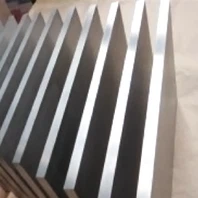
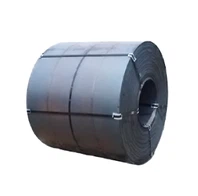
In the dynamic world of the pipeline industry, understanding the properties of pipeline materials is crucial for ensuring the safety and efficiency of infrastructure projects. As a trusted supplier of pipeline plate X52, I am often asked about the yield strength of this essential material. In this blog post, I will delve into the concept of yield strength, explore the significance of pipeline plate X52, and provide detailed insights into its yield strength characteristics.
Understanding Yield Strength
Before we discuss the yield strength of pipeline plate X52, it's important to understand what yield strength means. Yield strength is a fundamental mechanical property of materials, which refers to the stress at which a material begins to deform plastically. In simpler terms, when a material is subjected to a load, it initially deforms elastically, meaning it will return to its original shape once the load is removed. However, once the stress exceeds the yield strength, the material will undergo permanent deformation.
The yield strength of a material is typically determined through a tensile test, where a specimen is gradually pulled until it reaches the point of plastic deformation. This test provides valuable information about the material's ability to withstand stress without permanent damage, making it a critical parameter in engineering design and material selection.
Significance of Pipeline Plate X52
Pipeline plate X52 is a high-strength, low-alloy steel plate that is widely used in the construction of pipelines for transporting oil, gas, and other fluids. Its popularity stems from its excellent combination of strength, toughness, and weldability, which make it suitable for a variety of pipeline applications, including onshore and offshore pipelines, as well as pipelines in harsh environments.
One of the key advantages of pipeline plate X52 is its ability to withstand high internal pressures and external loads, ensuring the integrity and safety of the pipeline system. Additionally, its good weldability allows for easy fabrication and installation, reducing construction time and costs.
Yield Strength of Pipeline Plate X52
The yield strength of pipeline plate X52 is typically specified in accordance with international standards, such as the American Petroleum Institute (API) 5L standard. According to API 5L, the minimum yield strength of pipeline plate X52 is 360 MPa (52,000 psi). This means that the material can withstand a stress of up to 360 MPa before it begins to deform plastically.


However, it's important to note that the actual yield strength of pipeline plate X52 can vary depending on several factors, including the manufacturing process, chemical composition, and heat treatment. For example, advanced manufacturing techniques, such as controlled rolling and accelerated cooling, can significantly improve the yield strength of the material. Additionally, the addition of alloying elements, such as manganese, nickel, and chromium, can also enhance the strength and toughness of the steel.
In practice, pipeline plate X52 suppliers often provide material test reports (MTRs) that include detailed information about the chemical composition, mechanical properties, and yield strength of the material. These reports are essential for ensuring that the material meets the required specifications and standards for the intended application.
Factors Affecting the Yield Strength of Pipeline Plate X52
As mentioned earlier, several factors can affect the yield strength of pipeline plate X52. Let's take a closer look at some of these factors:
Chemical Composition
The chemical composition of pipeline plate X52 plays a crucial role in determining its yield strength. The addition of alloying elements, such as carbon, manganese, silicon, and sulfur, can significantly affect the strength and toughness of the steel. For example, increasing the carbon content can increase the strength of the material, but it can also reduce its weldability and toughness. Therefore, a careful balance of alloying elements is required to achieve the desired combination of properties.
Manufacturing Process
The manufacturing process also has a significant impact on the yield strength of pipeline plate X52. Advanced manufacturing techniques, such as controlled rolling and accelerated cooling, can refine the grain structure of the steel, resulting in improved strength and toughness. Additionally, heat treatment processes, such as normalizing and quenching and tempering, can further enhance the mechanical properties of the material.
Thickness and Size
The thickness and size of the pipeline plate X52 can also affect its yield strength. Generally, thicker plates tend to have lower yield strengths compared to thinner plates. This is because thicker plates are more difficult to cool uniformly during the manufacturing process, which can result in a coarser grain structure and lower strength.
Applications of Pipeline Plate X52
Pipeline plate X52 is widely used in a variety of pipeline applications, including:
Oil and Gas Pipelines
Pipeline plate X52 is commonly used in the construction of oil and gas pipelines, both onshore and offshore. Its high strength and good weldability make it suitable for transporting oil and gas over long distances, even in harsh environments.
Water Pipelines
In addition to oil and gas pipelines, pipeline plate X52 is also used in the construction of water pipelines. Its corrosion resistance and durability make it an ideal choice for transporting water over long distances.
Structural Applications
Pipeline plate X52 can also be used in structural applications, such as bridges, buildings, and offshore platforms. Its high strength and good toughness make it suitable for withstanding heavy loads and harsh environmental conditions.
Our Offerings as a Pipeline Plate X52 Supplier
As a leading supplier of pipeline plate X52, we are committed to providing high-quality materials that meet the strictest industry standards. Our pipeline plate X52 is manufactured using advanced production techniques and state-of-the-art equipment, ensuring consistent quality and performance.
We offer a wide range of pipeline plate X52 products, including LX52 Pipe Line Plate X52 and LX560, which are available in various thicknesses, widths, and lengths to meet the specific requirements of our customers. Our products are backed by comprehensive material test reports (MTRs), which provide detailed information about the chemical composition, mechanical properties, and yield strength of the material.
In addition to our high-quality products, we also offer excellent customer service and technical support. Our team of experienced engineers and technicians can provide expert advice on material selection, fabrication, and installation, ensuring that our customers get the most out of our products.
Contact Us for Procurement and Negotiation
If you are interested in purchasing pipeline plate X52 for your next project, we invite you to contact us for procurement and negotiation. Our dedicated sales team will be happy to assist you with your inquiry and provide you with a competitive quote.
We understand that every project is unique, and we are committed to working closely with our customers to meet their specific needs and requirements. Whether you need a small quantity of pipeline plate X52 for a prototype or a large volume for a major infrastructure project, we have the capabilities and resources to deliver the right solution for you.
Conclusion
In conclusion, the yield strength of pipeline plate X52 is a critical parameter that determines its suitability for various pipeline applications. As a trusted supplier of pipeline plate X52, we are committed to providing high-quality materials that meet the strictest industry standards and offer excellent performance and reliability.
By understanding the factors that affect the yield strength of pipeline plate X52 and working closely with our customers, we can ensure that they get the most out of our products and achieve their project goals. If you have any questions or need further information about pipeline plate X52, please do not hesitate to contact us. We look forward to serving you.
References
- American Petroleum Institute (API) 5L, "Specification for Line Pipe"
- ASTM A20/A20M, "Standard Specification for General Requirements for Steel Plates for Pressure Vessels"
- ISO 3183, "Petroleum and natural gas industries - Steel pipe for pipelines - Technical delivery conditions"