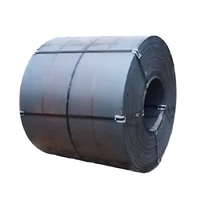
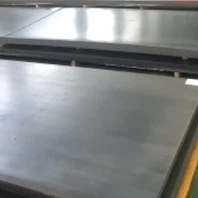
As a supplier of Plate A516 Gr 70, I am often asked about its machinability. Machinability is a crucial factor in the manufacturing and fabrication processes, as it determines how easily a material can be cut, shaped, and finished. In this blog, I will delve into the machinability of Plate A516 Gr 70, exploring its characteristics, influencing factors, and best practices for machining.
Understanding Plate A516 Gr 70
Plate A516 Gr 70 is a carbon steel plate that is widely used in various industries, including pressure vessels, boilers, and storage tanks. It is known for its excellent weldability, high strength, and good notch toughness, making it a popular choice for applications where reliability and durability are essential. The chemical composition of Plate A516 Gr 70 typically includes carbon, manganese, phosphorus, sulfur, silicon, and small amounts of other elements. This composition gives the plate its unique properties and affects its machinability.
Machinability Characteristics of Plate A516 Gr 70
The machinability of Plate A516 Gr 70 can be evaluated based on several factors, including cutting forces, surface finish, chip formation, and tool life. Here are some key characteristics of its machinability:
Cutting Forces
Plate A516 Gr 70 generally requires moderate cutting forces during machining. The carbon and manganese content in the steel contribute to its strength, which means that higher cutting forces may be needed compared to some other materials. However, with the right cutting tools and machining parameters, these forces can be effectively managed.
Surface Finish
Achieving a good surface finish is important in many machining applications. Plate A516 Gr 70 can produce a satisfactory surface finish when machined correctly. The use of sharp cutting tools, appropriate cutting speeds, and feeds can help minimize surface roughness and achieve the desired finish.
Chip Formation
Proper chip formation is crucial for efficient machining. Plate A516 Gr 70 typically forms continuous chips during machining, which can be easily removed from the cutting zone. However, the chip shape and size can be influenced by factors such as cutting speed, feed rate, and tool geometry.
Tool Life
Tool life is an important consideration in machining. Plate A516 Gr 70 can cause wear on cutting tools, especially when machining at high speeds or with improper cutting parameters. Using high-quality cutting tools made from materials such as carbide or high-speed steel and optimizing the machining conditions can help extend tool life.

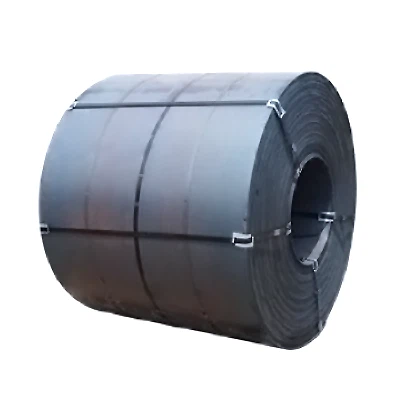
Factors Influencing the Machinability of Plate A516 Gr 70
Several factors can influence the machinability of Plate A516 Gr 70. Understanding these factors is essential for achieving optimal machining results. Here are some of the key factors:
Chemical Composition
As mentioned earlier, the chemical composition of Plate A516 Gr 70 plays a significant role in its machinability. The carbon content affects the hardness and strength of the steel, while the presence of other elements such as manganese, phosphorus, and sulfur can influence the chip formation and tool wear.
Heat Treatment
Heat treatment can significantly affect the machinability of Plate A516 Gr 70. Annealing, normalizing, or quenching and tempering can change the microstructure of the steel, altering its hardness, toughness, and machinability. For example, annealing can reduce the hardness of the steel, making it easier to machine.
Cutting Tools
The choice of cutting tools is crucial for machining Plate A516 Gr 70. High-quality cutting tools made from appropriate materials and with the right geometry can improve machining efficiency and tool life. Carbide cutting tools are commonly used for machining carbon steels like Plate A516 Gr 70 due to their high hardness and wear resistance.
Machining Parameters
The machining parameters, such as cutting speed, feed rate, and depth of cut, also have a significant impact on the machinability of Plate A516 Gr 70. These parameters need to be carefully selected based on the specific machining operation, the cutting tools used, and the desired surface finish.
Best Practices for Machining Plate A516 Gr 70
To ensure optimal machinability of Plate A516 Gr 70, it is important to follow some best practices. Here are some tips to help you achieve the best results:
Select the Right Cutting Tools
Choose cutting tools that are specifically designed for machining carbon steels. Carbide cutting tools are a good choice due to their high hardness and wear resistance. Make sure the cutting tools are sharp and in good condition before starting the machining process.
Optimize the Machining Parameters
Select the appropriate cutting speed, feed rate, and depth of cut based on the specific machining operation and the cutting tools used. Generally, a higher cutting speed can improve machining efficiency, but it may also increase tool wear. A lower feed rate can improve the surface finish, but it may reduce the machining productivity. Experiment with different parameters to find the optimal combination for your application.
Use Coolant
Using a coolant during machining can help reduce the cutting temperature, improve the surface finish, and extend the tool life. Water-soluble coolants are commonly used for machining Plate A516 Gr 70. Make sure to apply the coolant effectively to the cutting zone to achieve the best results.
Monitor the Machining Process
Regularly monitor the machining process to ensure that everything is running smoothly. Check the cutting tools for wear and replace them if necessary. Pay attention to the surface finish and chip formation to detect any potential issues early on.
Comparison with Other Similar Materials
It is also useful to compare the machinability of Plate A516 Gr 70 with other similar materials in the market. For example, A573GR70 and S355JR are also commonly used low-alloy steel plates. While they share some similarities with Plate A516 Gr 70, there are also differences in their machinability.
A573GR70 has a similar chemical composition to Plate A516 Gr 70, but its mechanical properties may vary slightly. It can also be machined using similar techniques, but the specific machining parameters may need to be adjusted based on its unique characteristics.
S355JR is a European standard steel grade that is often used in structural applications. It has a lower carbon content compared to Plate A516 Gr 70, which generally makes it easier to machine. However, it may have different strength and toughness requirements, so the choice between the two materials depends on the specific application.
When it comes to High Strength Plate, Plate A516 Gr 70 offers a good balance between strength and machinability. High strength plates are often more difficult to machine due to their higher hardness, but Plate A516 Gr 70 can still be effectively machined with the right approach.
Conclusion and Call to Action
In conclusion, the machinability of Plate A516 Gr 70 is influenced by its chemical composition, heat treatment, cutting tools, and machining parameters. By understanding these factors and following the best practices for machining, you can achieve optimal results and produce high-quality parts.
If you are in the market for Plate A516 Gr 70 or have any questions about its machinability, please feel free to contact me for a detailed discussion. I am a reliable supplier of Plate A516 Gr 70, and I can provide you with high-quality products and professional advice. Let's work together to meet your specific needs and achieve your business goals.
References
- ASME Boiler and Pressure Vessel Code
- ASTM International Standards for Steel Plates
- Machining Handbook by Eugene A. Avallone and Theodore Baumeister III