Cold working, also known as work hardening, is a process where metal is deformed below its recrystallization temperature. As a pressure vessel plate supplier, I've seen firsthand the various effects of cold working on these plates. In this blog post, I'm gonna dive into what cold working means for pressure vessel plates, how it impacts their properties, and why it matters in the real - world applications.
The Basics of Cold Working
Before we get into the effects, let's quickly touch on how cold working happens. When we cold work pressure vessel plates, we're using processes like rolling, bending, or drawing at room temperature. These processes change the shape of the plate, but they also cause changes in its internal structure at the microscopic level.
One of the main things that happens during cold working is the movement and interaction of dislocations in the metal's crystal lattice. Dislocations are like defects in the otherwise regular arrangement of atoms. As we apply stress to the plate during cold working, these dislocations move and get tangled up with each other.
Effects on Mechanical Properties
Strength and Hardness
The most obvious effect of cold working on pressure vessel plates is an increase in strength and hardness. As the dislocations get tangled, they make it harder for the atoms to slide past each other. This resistance to atomic movement means the plate can withstand more stress before it deforms.
For example, if we take a SA285GrA pressure vessel plate and subject it to cold rolling, we'll notice that the plate becomes stronger. The yield strength, which is the stress at which the plate starts to deform plastically, can increase significantly. This is great for pressure vessels because they need to be able to handle high internal pressures without failing.
However, there's a limit to how much we can cold work a plate. If we go too far, the plate becomes too hard and brittle. It loses its ability to deform plastically without cracking. This is a big concern for pressure vessels because brittle failure can be catastrophic.
Ductility
Ductility is the ability of a material to deform plastically before breaking. As you might expect, cold working has the opposite effect on ductility compared to strength and hardness. As the plate becomes stronger and harder, its ductility decreases.
Let's say we have an ASTM A537CL2 SA285GrB plate. Before cold working, it can be bent and stretched to a certain extent without breaking. But after significant cold working, the range of deformation it can undergo before fracturing is much smaller. This reduction in ductility needs to be carefully considered when designing pressure vessels. If a vessel experiences an unexpected load or stress concentration, a less ductile plate may crack instead of deforming safely.
Fatigue Resistance
Cold working can also affect the fatigue resistance of pressure vessel plates. Fatigue is the failure of a material due to repeated loading and unloading. In a pressure vessel, the internal pressure can fluctuate over time, causing cyclic stress on the plate.
Cold working can improve fatigue resistance in some cases. The increased strength and hardness can help the plate withstand the repeated stresses without developing cracks as easily. However, if the cold - worked plate is too brittle, the fatigue cracks may propagate more rapidly once they start. So, it's a balance. We need to ensure that the cold - working process is optimized to enhance fatigue resistance while maintaining an acceptable level of ductility.
Effects on Corrosion Resistance
There's also an impact on the corrosion resistance of pressure vessel plates due to cold working. When we cold work a plate, we change its surface and internal structure, which can affect how it reacts to the environment.
In some cases, cold working can increase the corrosion rate. The changes in the surface structure can create areas where corrosion can start more easily. For example, the stress concentrations and lattice distortions caused by cold working can make the metal more reactive with corrosive substances. However, in other situations, if the cold - worked surface is passivated properly, it can form a more protective layer that reduces corrosion.
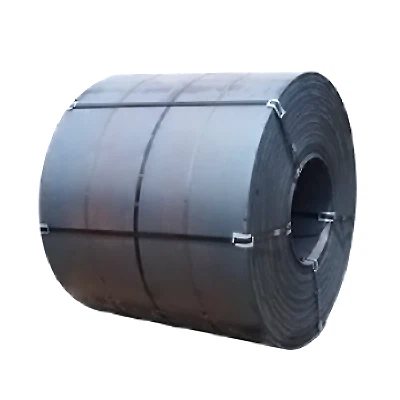
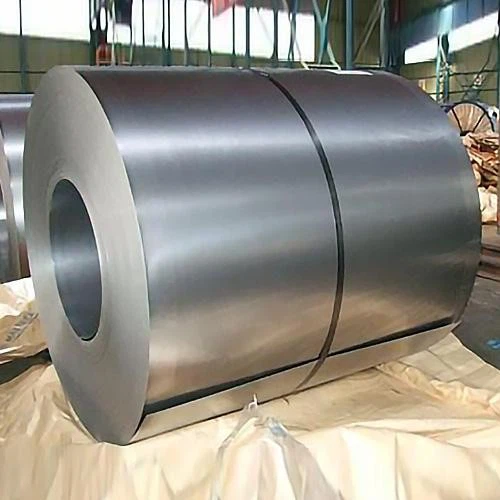
For a P275NL1 plate, the corrosion performance after cold working depends on many factors such as the type of corrosion environment, the extent of cold working, and the post - treatment processes. If the plate is going to be used in a corrosive environment like a chemical plant or an offshore oil rig, we need to be extra careful about the cold - working and subsequent treatments.
Real - World Implications
In the real world, the effects of cold working on pressure vessel plates have huge implications for their design, manufacturing, and use.
During the design phase, engineers need to take into account the changes in mechanical properties caused by cold working. They have to calculate the appropriate thickness and dimensions of the plates to ensure the vessel can handle the expected pressures and loads. It's important to have a realistic understanding of the strength, ductility, and fatigue resistance of the cold - worked plates.
In manufacturing, the cold - working processes need to be carefully controlled. Workers have to ensure that the plates are not over - cold - worked and that they meet the required standards. Quality control measures, such as non - destructive testing and mechanical property testing, are crucial to identify any issues with the cold - worked plates.
When it comes to the use of pressure vessels, operators need to be aware of the potential changes in the plates due to cold working. Regular inspections are necessary to detect any signs of cracking or corrosion, especially in areas that have been cold - worked.
How We Ensure Quality as a Supplier
As a pressure vessel plate supplier, we take several steps to ensure that our cold - worked plates meet the highest standards.
First of all, we use advanced manufacturing techniques. Our cold - working processes are precisely controlled, with strict monitoring of parameters like temperature, pressure, and deformation rate. This ensures that the plates are cold - worked to the optimal level, balancing strength, ductility, and fatigue resistance.
We also have a comprehensive quality control system. Every plate goes through a series of tests, including tensile testing, hardness testing, and corrosion testing. This helps us identify any plates that don't meet our quality criteria and ensures that only the best plates are delivered to our customers.
In addition, we offer technical support to our customers. We can provide advice on the selection of the right plate material, the appropriate cold - working process, and the maintenance of the pressure vessels. Our goal is to ensure that our customers can use our plates with confidence and that their pressure vessels operate safely and efficiently.
Contact Us for Procurement
If you're in the market for high - quality pressure vessel plates, whether you need cold - worked plates or non - cold - worked ones, we're here to help. We have a wide range of plate materials available, including SA285GrA, ASTM A537CL2 SA285GrB, and P275NL1.
We're more than willing to discuss your specific requirements and find the best solution for your project. Contact us today to start a procurement discussion and see how our pressure vessel plates can meet your needs.
References
- Metals Handbook Desk Edition, ASM International
- Welding Journal, American Welding Society
- Pressure Vessel Design Handbook, Robert J. Roark