Hey there! As a supplier of 690QL plates, I often get asked about the differences between different grades of 690QL plates. So, I thought I'd write this blog to share some insights.
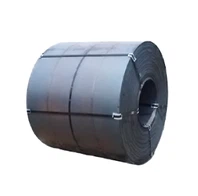
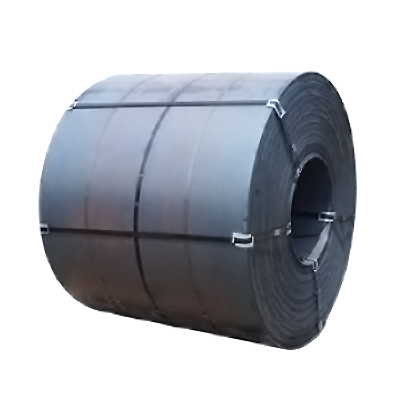
First off, let's talk about what 690QL plates are. They're high - strength quenched and tempered structural steel plates. These plates are used in a wide range of applications, like construction machinery, mining equipment, and heavy - duty vehicles. The "690" in 690QL refers to the minimum yield strength of the steel, which is 690 MPa. And the "QL" stands for quenched and tempered, which is a heat - treatment process that gives the steel its high strength and good toughness.
Now, when it comes to different grades of 690QL plates, the main differences lie in their chemical composition, mechanical properties, and the specific heat - treatment processes they undergo.
Chemical Composition
The chemical composition of 690QL plates plays a crucial role in determining their properties. Different grades might have slight variations in the amounts of elements like carbon (C), silicon (Si), manganese (Mn), sulfur (S), phosphorus (P), chromium (Cr), nickel (Ni), and molybdenum (Mo).
Carbon is an important element as it increases the strength of the steel. But too much carbon can make the steel brittle. So, the carbon content in different grades of 690QL plates is carefully controlled. For example, a lower - grade 690QL plate might have a carbon content around 0.18%, while a higher - grade one could have it adjusted to 0.20% to achieve a better balance between strength and toughness.
Silicon is added to deoxidize the steel during the manufacturing process. It also helps in increasing the strength and hardness. Manganese improves the hardenability of the steel and enhances its strength and toughness. Sulfur and phosphorus are usually considered impurities, and their content is kept as low as possible in high - quality 690QL plates because they can reduce the steel's ductility and toughness.
Chromium, nickel, and molybdenum are alloying elements that can significantly improve the steel's strength, corrosion resistance, and hardenability. A higher - grade 690QL plate might have more of these alloying elements to enhance its performance in harsh environments. For instance, a grade designed for use in marine applications might have a higher nickel content to improve its corrosion resistance.
Mechanical Properties
The mechanical properties of different grades of 690QL plates vary as well. The most important mechanical properties include yield strength, tensile strength, elongation, and impact toughness.
Yield strength is the stress at which the steel begins to deform plastically. As mentioned earlier, all 690QL plates have a minimum yield strength of 690 MPa. However, higher - grade plates might have a slightly higher actual yield strength, maybe up to 720 MPa or more. This means they can withstand higher loads without permanent deformation.

Tensile strength is the maximum stress the steel can withstand before it breaks. Higher - grade 690QL plates usually have a higher tensile strength. A lower - grade plate might have a tensile strength of around 770 - 940 MPa, while a high - end grade could reach up to 1000 MPa or more.
Elongation is a measure of the steel's ability to stretch before breaking. It's expressed as a percentage. Higher - grade plates often have better elongation properties, which means they can deform more before failure. This is important in applications where the steel might be subjected to bending or stretching forces.
Impact toughness is the ability of the steel to absorb energy during impact. Different grades of 690QL plates can have different impact toughness values depending on their chemical composition and heat - treatment. For example, a grade designed for use in cold environments will have better low - temperature impact toughness. This is crucial in applications like Arctic construction or cold - weather mining operations.
Heat - Treatment Processes
The heat - treatment process is another factor that differentiates the grades of 690QL plates. Quenching and tempering are the key steps in the heat - treatment of these plates.
Quenching involves heating the steel to a high temperature and then rapidly cooling it. The cooling rate and the temperature at which quenching is done can vary between grades. A higher - grade plate might be quenched at a more precise temperature and with a faster cooling rate to achieve a finer grain structure, which in turn improves its strength and toughness.
Tempering is the process of reheating the quenched steel to a lower temperature and then cooling it slowly. This helps to relieve the internal stresses created during quenching and improve the steel's ductility and toughness. Different grades might have different tempering temperatures and times. For example, a grade that requires high - strength and high - toughness combination might be tempered at a relatively lower temperature for a longer time.
Applications Based on Grades
The differences in grades also lead to different applications. Lower - grade 690QL plates are often used in general - purpose applications where the loads are not extremely high and the environment is relatively mild. For example, they can be used in the construction of small - scale machinery or simple structural components.
Higher - grade 690QL plates, on the other hand, are used in more demanding applications. They're suitable for large - scale construction machinery like cranes and excavators, where high strength and good toughness are essential to withstand heavy loads and vibrations. They're also used in the mining industry for equipment like haul trucks and crushers, which operate in harsh and abrasive environments.
If you're looking for other high - strength steel plates, you might also be interested in A514GRF High Strength Steel Plate, S890QL, and S460QL. These plates have their own unique properties and are suitable for different applications.
Why Choose Us as Your Supplier
As a supplier of 690QL plates, we offer a wide range of grades to meet your specific needs. We have strict quality control measures in place to ensure that all our plates meet the highest standards. Our team of experts can help you choose the right grade of 690QL plate for your application, taking into account factors like load requirements, environmental conditions, and budget.
If you're in the market for 690QL plates or have any questions about the different grades, don't hesitate to get in touch with us for a procurement discussion. We're here to help you make the best choice for your project.
References
- "Steel Metallurgy and Applications" by George E. Totten
- "High - Strength Steel in Construction" by R. J. Porter