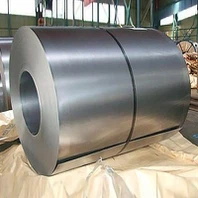
When it comes to the manufacturing of pressure vessels, the cutting of pressure vessel plates is a critical process that demands precision and adherence to strict requirements. As a reliable pressure vessel plate supplier, we understand the significance of these requirements and are committed to providing high - quality plates that meet the industry's rigorous standards.
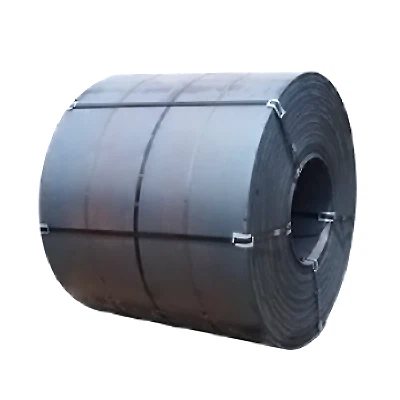
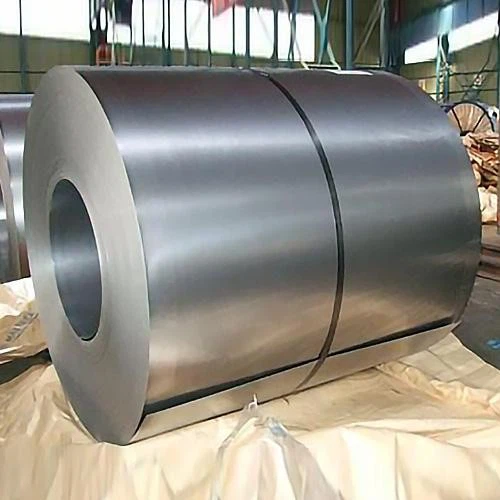
1. Material Quality and Standards
The first and foremost requirement for the cutting of pressure vessel plates is the material quality itself. Pressure vessel plates are designed to operate under high pressure and sometimes in harsh environments. Therefore, they must possess certain mechanical and chemical properties.
For instance, popular materials like SA285GrA are used in applications where moderate strength and good notch toughness are required. This material is often used in liquid storage tanks. The chemical composition of SA285GrA must be carefully controlled. It typically has a carbon content of up to 0.27%, which helps in maintaining a balance between strength and weldability.
ASTM A537CL2 SA285GrB is another commonly used material. It has a slightly higher strength compared to SA285GrA. The ASTM A537CL2 standard ensures that the plate has good impact resistance and is suitable for use in welded pressure vessels operating at relatively low temperatures.
European standard material P295GH is designed for use in pressure vessels in the power generation and petrochemical industries. This material has strict requirements for its chemical composition and mechanical properties, including a specified minimum yield strength and tensile strength. When cutting these plates, the original material quality must be preserved to ensure the integrity of the final pressure vessel.
2. Cutting Process and Precision
2.1 Cutting Methods
There are several cutting methods available for pressure vessel plates, and each has its own requirements.
- Oxy - fuel cutting: This is a common method for cutting mild steel pressure vessel plates. It involves the use of a mixture of oxygen and fuel gas (such as acetylene or propane) to heat the metal to its ignition point and then blow away the molten metal with a high - velocity oxygen jet. The requirements for oxy - fuel cutting include maintaining a proper pre - heating temperature, controlling the oxygen flow rate, and ensuring a stable cutting speed. If the pre - heating temperature is too low, the plate may not cut cleanly, resulting in a rough cut surface and potential cracking.
- Plasma cutting: Plasma cutting is suitable for cutting a wider range of materials, including stainless steel and aluminum pressure vessel plates. It uses a high - velocity jet of ionized gas (plasma) to melt and remove the metal. For plasma cutting, the power supply, plasma gas type, and cutting speed must be carefully calibrated. A too - high cutting speed may lead to incomplete cutting, while a too - low speed may cause excessive heat input and damage the plate's surface properties.
- Laser cutting: Laser cutting offers high precision and is often used for cutting intricate shapes on pressure vessel plates. The key requirements for laser cutting are the laser power, beam quality, and the focus position. A well - focused laser beam can produce a narrow kerf width and a smooth cut surface, which is crucial for maintaining the dimensional accuracy of the cut parts.
2.2 Dimensional Accuracy
Dimensional accuracy is of utmost importance in the cutting of pressure vessel plates. The dimensions of the cut parts must comply with the design requirements. Even a small deviation in dimensions can lead to problems during the assembly of the pressure vessel. For example, if the length or width of a plate is off by a few millimeters, it may cause misalignment during welding, which can weaken the overall structure of the pressure vessel. Precise cutting ensures that all components fit together properly, reducing the risk of leaks and structural failures.
3. Surface Quality
The surface quality of the cut pressure vessel plates is another critical requirement. A smooth and clean cut surface is essential for several reasons.
Firstly, a rough cut surface can act as a stress concentrator. When the pressure vessel is under pressure, these stress concentrations can lead to premature failure of the vessel. Therefore, the cutting process should minimize surface roughness.
Secondly, a clean cut surface is necessary for good welding quality. Any contaminants, such as oxides or slag, on the cut surface can affect the integrity of the weld joint. For example, during welding, these contaminants can cause porosity or cracks in the weld, reducing the strength of the joint.
4. Safety and Compliance
4.1 Safety During Cutting
The cutting process of pressure vessel plates must be carried out in a safe manner. Workers should be provided with appropriate personal protective equipment (PPE), such as goggles, gloves, and aprons, to protect them from the hazards associated with cutting, such as flying sparks, hot metal, and fumes.
The cutting equipment should also be properly maintained and inspected regularly to ensure its safe operation. For example, oxy - fuel cutting equipment should be checked for gas leaks, and electrical components of plasma and laser cutting machines should be inspected for proper insulation.
4.2 Industry Standards and Regulations
The cutting of pressure vessel plates must comply with various industry standards and regulations. These standards are put in place to ensure the safety and reliability of pressure vessels. For example, in the United States, the American Society of Mechanical Engineers (ASME) Boiler and Pressure Vessel Code sets the standards for the design, manufacturing, and inspection of pressure vessels. In Europe, the Pressure Equipment Directive (PED) regulates the production of pressure equipment.
5. Post - cutting Treatment
After cutting, the pressure vessel plates may require post - cutting treatment.
- Deburring: The cut edges of the plates often have burrs, which need to be removed. Deburring can be done using manual tools or automated deburring machines. A smooth edge is important for both the safety of workers handling the plates and the integrity of the final pressure vessel.
- Stress relieving: Cutting can introduce residual stresses in the plate. Depending on the material and the application, stress relieving may be required. This is typically done by heat treatment, which involves heating the plate to a specific temperature and then slowly cooling it. Stress relieving helps to reduce the risk of cracking and distortion during subsequent manufacturing processes, such as welding and forming.
As a professional pressure vessel plate supplier, we are well - versed in these requirements and have the expertise and equipment to ensure that our products meet the highest standards. If you are in the market for high - quality pressure vessel plates and have specific cutting requirements, we invite you to contact us for procurement discussions. We are dedicated to providing you with the best solutions tailored to your needs.
References
- American Society of Mechanical Engineers (ASME). Boiler and Pressure Vessel Code.
- European Union. Pressure Equipment Directive (PED).
- Manufacturer's specifications for SA285GrA, ASTM A537CL2 SA285GrB, and P295GH pressure vessel plates.