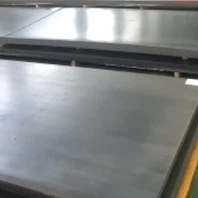
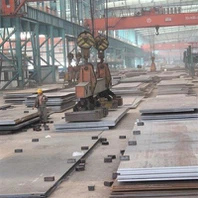
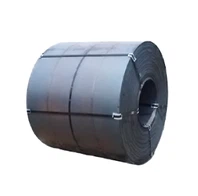
When it comes to high strength plates, selecting the appropriate grade is crucial for ensuring the success and safety of any project. As a trusted high strength plate supplier, I've encountered numerous clients who are unsure about which grade best suits their needs. In this blog post, I'll share some valuable insights based on my experience to help you make an informed decision.


Understanding the Basics of High Strength Plates
High strength plates are commonly used in the construction, manufacturing, and infrastructure sectors where they need to withstand heavy loads, harsh environments, and extreme conditions. These plates are known for their excellent mechanical properties, such as high yield strength, tensile strength, and good impact resistance. The grade of a high - strength plate determines its specific characteristics, and it's important to understand the key factors before making a selection.
Key Factors to Consider When Selecting High Strength Plate Grades
1. Application Requirements
The first and most important factor is the intended application of the high strength plate. Different applications have different demands. For example, in bridge construction, plates need to have high fatigue resistance and good weldability. On the other hand, if the plate is used for mining equipment, it should be able to resist abrasion and high - pressure loads.
If you're working on a project that requires a high - strength plate with relatively good toughness and weldability, you might consider S460QL. This grade is widely used in building structures, machinery, and offshore platforms. It has a minimum yield strength of 460 MPa, making it suitable for applications where significant strength is required.
2. Strength Requirements
Strength is a primary consideration in high - strength plate selection. High strength is often measured in terms of yield strength and tensile strength. Yield strength is the point at which the material begins to deform plastically, while tensile strength is the maximum stress that the material can withstand before breaking.
For applications where extremely high strength is needed, such as in heavy - duty cranes or high - rise building frameworks, S890QL could be an excellent choice. This grade has a very high minimum yield strength of around 890 MPa, allowing it to handle extremely large loads without failure. However, it's important to note that with higher strength, the material may become more difficult to form and weld, so additional considerations are necessary.
3. Impact Resistance
Impact resistance is vital, especially in applications where the plate may be subjected to sudden shocks or impacts. This is particularly relevant in industries like transportation and military equipment manufacturing. The Charpy V - notch test is commonly used to measure the impact resistance of high - strength plates at different temperatures.
Some high - strength plates are designed to maintain good impact resistance even at low temperatures. For example, if you're working on a project in a cold climate region, you need to choose a plate grade that has been tested and proven to have reliable impact toughness at low temperatures.
4. Weldability
In many projects, welding is an essential process for joining high - strength plates. Therefore, the weldability of the plate is a critical factor. Poor weldability can lead to welding defects such as cracks, porosity, and reduced strength in the welded joints.
S460QL is known for its good weldability, which makes it a popular choice for projects that involve extensive welding work. When dealing with high - strength plates, it's important to follow proper welding procedures and use appropriate welding consumables to ensure the quality of the welds.
5. Cost - effectiveness
While performance is crucial, cost - effectiveness also plays a significant role in the selection process. Higher - grade high - strength plates often come with a higher price tag. It's important to strike a balance between the requirements of the project and the cost of the materials.
For some projects that don't require extremely high strength but still need a certain level of durability, A514GRE Astm A514 can be a cost - effective option. It offers a good combination of strength and affordability, making it suitable for a wide range of general - purpose applications.
Case Studies
Let's take a look at a few real - world examples to understand how the above factors influence the selection of high - strength plate grades.
Case 1: Bridge Construction
A large - scale bridge project was in the planning phase. The project required a high - strength plate that could withstand heavy traffic loads, seismic forces, and harsh weather conditions. After careful consideration, the engineering team chose S460QL for several reasons. It had the necessary yield and tensile strength to handle the loads, good impact resistance to withstand seismic events, and excellent weldability for easy construction. The use of this grade ensured the long - term safety and durability of the bridge.
Case 2: Mining Equipment Manufacturing
A company was manufacturing large - scale mining trucks. The trucks needed to operate in rough terrains and carry heavy loads of ore. For the structural components of the trucks, S890QL was selected. Its extremely high strength allowed the trucks to carry large payloads, and its good abrasion resistance ensured that the components could withstand the wear and tear of the mining environment. Although the cost was relatively high, the performance benefits outweighed the cost in the long run.
Conclusion
Selecting the appropriate grade of high strength plate is a complex decision that involves considering multiple factors such as application requirements, strength, impact resistance, weldability, and cost - effectiveness. By thoroughly understanding these factors and carefully evaluating your project's needs, you can make a well - informed decision.
As a high strength plate supplier, I'm committed to providing you with the best - suited products for your projects. If you're unsure which grade of high - strength plate is right for you or have any questions about the products, I encourage you to reach out to me. I'll be more than happy to assist you in the selection process and provide you with detailed technical support.
References
- ASME Boiler and Pressure Vessel Code.
- ASTM International Standards for Steel Plates.
- Eurocode 3: Design of Steel Structures.