How to prevent hydrogen embrittlement in A387 steel plate welding
As a reliable supplier of A387 steel plates, I understand the significance of ensuring the quality of our products during the welding process. Hydrogen embrittlement is a critical issue that can significantly affect the performance and integrity of welded A387 steel plates. In this blog, I will share some effective strategies to prevent hydrogen embrittlement in A387 steel plate welding.
Understanding Hydrogen Embrittlement
Hydrogen embrittlement is a phenomenon where hydrogen atoms diffuse into the steel matrix, causing a reduction in the material's ductility and toughness. This can lead to cracking and premature failure of the welded joint. In the context of A387 steel plate welding, hydrogen can be introduced from various sources, such as moisture in the welding electrode or shielding gas, or from the environment during welding.
Sources of Hydrogen in Welding
- Moisture in Electrodes: Electrodes can absorb moisture from the atmosphere, especially if they are not properly stored. When the electrode is heated during welding, the moisture decomposes into hydrogen and oxygen, and the hydrogen can diffuse into the weld pool.
- Moisture in Shielding Gas: Moisture in the shielding gas can also introduce hydrogen into the weld. For example, if the gas cylinder is not properly sealed or if the gas has been contaminated, it can contain water vapor that decomposes during welding.
- Rust and Contaminants on the Steel Surface: Rust, oil, and other contaminants on the surface of the A387 steel plate can contain hydrogen - bearing compounds. During welding, these compounds can release hydrogen, which then diffuses into the weld.
- Atmospheric Humidity: High levels of atmospheric humidity can contribute to the presence of hydrogen during welding. In humid environments, moisture in the air can be absorbed by the steel surface or the welding materials.
Preventive Measures
1. Proper Material Handling and Storage
- Steel Plate Storage: Store A387 steel plates in a dry environment with controlled humidity. If the plates are exposed to outdoor conditions or high - humidity areas, they should be covered to prevent moisture absorption. Before welding, the plates should be inspected for any signs of rust or contamination, and if necessary, they should be cleaned using methods such as grinding, sandblasting, or chemical cleaning.
- Electrode Storage: Electrodes should be stored in a dry cabinet at a temperature of around 50 - 70°C. This helps to prevent moisture absorption. If electrodes have been exposed to the atmosphere for an extended period, they should be re - dried before use. The drying procedure usually involves heating the electrodes in an oven at a specific temperature (e.g., 350 - 400°C for low - hydrogen electrodes) for a certain period (e.g., 1 - 2 hours).
- Shielding Gas Handling: Ensure that the shielding gas is of high quality and properly stored. Gas cylinders should be kept in a dry and clean area, and the gas lines should be regularly checked for leaks and contaminants. If the gas is suspected of being contaminated with moisture, it can be passed through a drying system before use.
2. Welding Process Optimization
- Welding Parameters: Select appropriate welding parameters to minimize the amount of hydrogen generated during welding. For example, using a lower heat input can reduce the decomposition of moisture and other hydrogen - bearing compounds. However, the heat input should be sufficient to ensure proper fusion and penetration of the weld. The welding speed, current, and voltage should be carefully adjusted based on the thickness of the A387 steel plate and the welding position.
- Preheating: Preheating the A387 steel plate before welding can help to reduce the cooling rate of the weld, which in turn reduces the risk of hydrogen cracking. The preheating temperature depends on factors such as the thickness of the plate, the carbon equivalent of the steel, and the welding process. Generally, preheating temperatures can range from 100 - 200°C.
- Interpass Temperature Control: During multi - pass welding, it is important to control the interpass temperature. Keeping the interpass temperature within a certain range (usually similar to the preheating temperature) can help to prevent the rapid cooling of the previously deposited weld layers, reducing the hydrogen diffusion rate and the likelihood of cracking.
3. Hydrogen Removal Techniques
- Post - Weld Heat Treatment (PWHT): PWHT is an effective method for removing hydrogen from the welded joint. After welding, the A387 steel plate can be heated to a specific temperature (e.g., 600 - 650°C) and held for a certain period (e.g., 1 - 2 hours per 25 mm of plate thickness). This heat treatment allows the hydrogen atoms to diffuse out of the steel matrix and escape into the atmosphere.
- Vacuum Degassing: In some high - precision applications, vacuum degassing can be used to remove hydrogen from the weld. The welded component is placed in a vacuum chamber, and the pressure is reduced. At low pressures, the hydrogen atoms can more easily escape from the steel.
Impact on Different Steel Grades
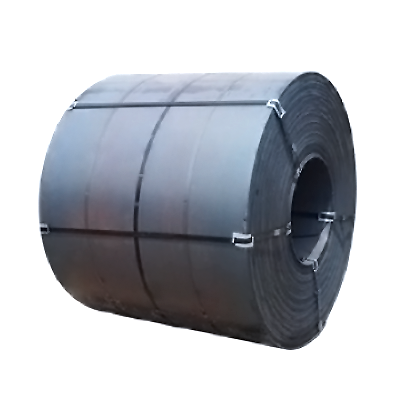
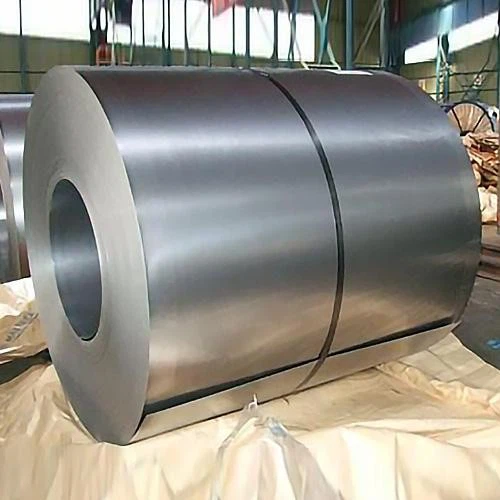
It's important to note that different steel grades within the A387 family may have different susceptibilities to hydrogen embrittlement. For example, A387GR11CL2 has different chemical compositions compared to other grades, which can affect its hydrogen absorption and diffusion behavior. Additionally, when comparing A387 steel plates with other types of pressure - vessel plates such as SA285GrA, ASTM A537CL2 SA285GrB, and SA285GrC A387GR11CL2, the preventive measures may need to be adjusted accordingly based on their specific characteristics.
Quality Assurance and Inspection
- Non - Destructive Testing (NDT): After welding, perform NDT methods such as ultrasonic testing (UT), magnetic particle testing (MT), or radiographic testing (RT) to detect any potential hydrogen - induced cracks. These tests can help identify defects at an early stage, allowing for timely repair.
- Mechanical Testing: Conduct mechanical tests such as tensile testing, impact testing, and hardness testing on the welded specimens to ensure that the mechanical properties of the welded joint meet the required standards. These tests can also provide insights into the presence of hydrogen embrittlement.
Conclusion
As an A387 steel plate supplier, we are committed to providing high - quality products and sharing our knowledge to ensure successful welding operations. Preventing hydrogen embrittlement in A387 steel plate welding requires a comprehensive approach that includes proper material handling, welding process optimization, hydrogen removal techniques, and strict quality assurance. By implementing these strategies, we can minimize the risk of hydrogen embrittlement and ensure the long - term performance and reliability of the welded joints.
If you are interested in purchasing A387 steel plates or need further advice on welding and preventing hydrogen embrittlement, please feel free to contact us for a detailed discussion and procurement negotiation. We look forward to serving you with our expertise and high - quality products.
References
- Welding Handbook. American Welding Society.
- Material Science and Engineering of Welded Structures. John Wiley & Sons.
- Standards for Pressure Vessel Materials. ASME Boiler and Pressure Vessel Code.