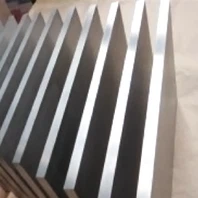
The thickness of pressure vessel plates is a critical factor that directly influences their performance in various applications. As a leading supplier of pressure vessel plates, I have witnessed firsthand how thickness can impact the functionality, safety, and durability of these essential components. In this blog post, I will delve into the relationship between the thickness of pressure vessel plates and their performance, exploring the key considerations and implications for different industries.
Structural Integrity and Strength
One of the primary ways in which the thickness of a pressure vessel plate affects its performance is through its impact on structural integrity and strength. Thicker plates generally offer greater resistance to internal and external pressures, reducing the risk of deformation, cracking, or failure under high-stress conditions. This is particularly important in applications where the vessel is subjected to extreme pressures, such as in the oil and gas industry or chemical processing plants.
For example, in a high-pressure steam boiler, a thicker pressure vessel plate can withstand the intense steam pressure without buckling or rupturing. The additional thickness provides a larger cross-sectional area, which distributes the stress more evenly across the plate and reduces the likelihood of localized stress concentrations. This not only enhances the safety of the vessel but also extends its service life, minimizing the need for frequent repairs or replacements.
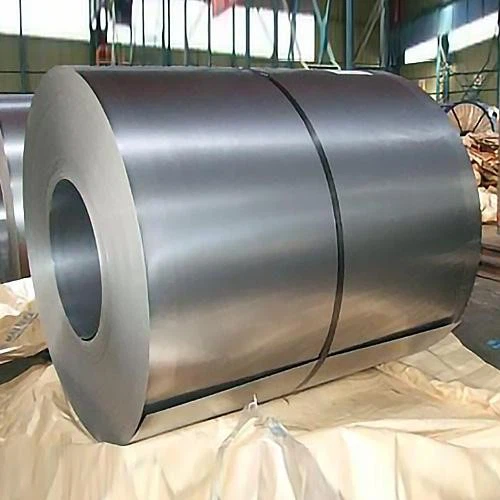

However, it is important to note that increasing the thickness of a pressure vessel plate is not always the best solution. While thicker plates offer greater strength, they also add weight and cost to the vessel. In some cases, a thinner plate with a higher strength-to-weight ratio may be more suitable, especially in applications where weight is a critical factor, such as in aerospace or transportation industries.
Heat Transfer and Thermal Performance
Another important aspect of pressure vessel plate performance is its heat transfer characteristics. The thickness of the plate can significantly affect its ability to transfer heat, which is crucial in applications where temperature control is essential, such as in heat exchangers or reactors.
Thicker plates generally have a lower thermal conductivity compared to thinner plates, which means they are less efficient at transferring heat. This can result in slower heating or cooling rates, which may affect the overall performance of the vessel. For example, in a heat exchanger, a thicker plate may require more energy to achieve the desired temperature difference between the hot and cold fluids, leading to higher operating costs.
On the other hand, thicker plates can also provide better insulation, which can be beneficial in applications where heat loss needs to be minimized. For example, in a storage tank for hot liquids, a thicker plate can help to maintain the temperature of the liquid for a longer period of time, reducing the need for additional heating.
Weldability and Fabrication
The thickness of a pressure vessel plate can also have a significant impact on its weldability and fabrication. Thicker plates generally require more complex welding techniques and equipment, as well as longer welding times, to ensure a strong and reliable weld. This can increase the cost and time required for fabrication, as well as the risk of welding defects, such as porosity, cracking, or incomplete fusion.
In addition, thicker plates may be more difficult to form and shape, which can limit the design options for the pressure vessel. For example, in a vessel with a complex shape, a thinner plate may be more easily bent and formed to fit the desired shape, while a thicker plate may require more extensive machining or welding to achieve the same result.
However, advancements in welding technology and fabrication techniques have made it possible to work with thicker plates more efficiently and effectively. For example, the use of automated welding systems and advanced welding processes, such as laser welding or friction stir welding, can significantly reduce the welding time and improve the quality of the weld.
Corrosion Resistance
Corrosion is a major concern in pressure vessel applications, as it can weaken the structure of the vessel and reduce its service life. The thickness of the pressure vessel plate can play a role in its corrosion resistance, as thicker plates generally provide a greater barrier against corrosive agents.
In addition, the type of material used for the pressure vessel plate can also affect its corrosion resistance. For example, stainless steel is a popular choice for pressure vessel applications due to its excellent corrosion resistance, while carbon steel may require additional protective coatings or treatments to prevent corrosion.
However, it is important to note that even the most corrosion-resistant materials can be affected by corrosion over time, especially in harsh environments. Therefore, regular inspection and maintenance are essential to ensure the long-term performance and safety of the pressure vessel.
Conclusion
In conclusion, the thickness of a pressure vessel plate is a critical factor that can significantly affect its performance in various applications. While thicker plates generally offer greater strength and durability, they also add weight and cost to the vessel. On the other hand, thinner plates may be more efficient at transferring heat and easier to fabricate, but they may also be more susceptible to corrosion and failure under high-stress conditions.
As a supplier of pressure vessel plates, I understand the importance of selecting the right thickness and material for each application. That's why I offer a wide range of pressure vessel plates in different thicknesses and materials, including astm a537 16Mo3, SA285GrA, and SA285GrC A387GR11CL2. Whether you need a thick plate for a high-pressure application or a thin plate for a lightweight design, I can help you find the perfect solution for your needs.
If you are interested in learning more about our pressure vessel plates or would like to discuss your specific requirements, please feel free to contact me. I look forward to working with you to ensure the success of your project.
References
- ASME Boiler and Pressure Vessel Code
- API Standards
- ASTM Standards
- Corrosion Engineering Handbook