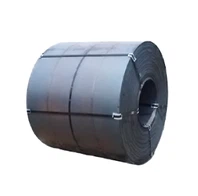
Can an abrasion plate be reused? This is a question that often comes up among our clients in various industries. As a leading abrasion plate supplier, we have in - depth knowledge and practical experience regarding this topic. In this blog, we will delve into the factors that determine whether an abrasion plate can be reused, the advantages and disadvantages of reuse, and provide some guidelines for making a decision.
Factors Affecting the Reusability of Abrasion Plates
1. Wear and Tear
The most obvious factor is the degree of wear. Abrasion plates are designed to withstand high - levels of friction, impact, and abrasion. Over time, they will inevitably experience some level of degradation. If the wear is minor, such as surface scratches or light pitting, the plate may still be suitable for reuse. For example, in some conveyor systems where the abrasion is relatively gentle, plates may only show minimal surface wear after a long period of use.
On the other hand, if the plate has significant thickness loss, deep grooves, or cracks, it is likely not reusable. For instance, in mining operations where heavy rocks constantly impact the plates, they may suffer severe damage. The wear pattern can also vary depending on the application. In a sliding wear situation, the plate may wear more evenly, while in an impact - based application, the damage may be concentrated in certain areas.
2. Material Integrity
The material integrity of the abrasion plate is crucial. Some plates may experience changes in their mechanical properties due to exposure to high temperatures, corrosive environments, or cyclic loading. For example, if an abrasion plate is used in a furnace environment, the high - temperature exposure may cause the material to lose its hardness and strength.
Certain materials, like NM550, are known for their high - performance and good resistance to heat and corrosion. However, even these high - quality plates can be affected if the operating conditions are extreme. Checking the material's chemical composition and mechanical properties through testing can help determine if the plate is still suitable for reuse.
3. Application Requirements
The requirements of the application play a significant role. Some applications demand a high level of precision and performance from the abrasion plates. For example, in the food processing industry, plates need to be clean, smooth, and free from any contaminants. If a plate has been used in a harsh industrial environment and has surface roughness or residual debris, it may not be suitable for reuse in a food - related application.
In contrast, less critical applications, such as general material handling in a warehouse, may be more forgiving when it comes to using a reused abrasion plate. The required level of abrasion resistance, dimensional accuracy, and surface finish all need to be considered based on the specific application.
Advantages of Reusing Abrasion Plates
1. Cost Savings
One of the most significant advantages of reusing abrasion plates is cost savings. Abrasion plates, especially high - quality ones like NM500 Wear Steel Plate, can be quite expensive. By reusing them, companies can reduce their procurement costs significantly. This is particularly beneficial for small and medium - sized enterprises with limited budgets.
2. Environmental Benefits
Reusing abrasion plates is also environmentally friendly. It reduces the demand for new raw materials, which in turn conserves natural resources. Additionally, the manufacturing process of abrasion plates consumes a significant amount of energy and produces waste. By reusing, we can minimize the environmental impact associated with the production of new plates.
3. Quick Turnaround
In some cases, reusing an existing plate can provide a quick solution. Instead of waiting for a new plate to be manufactured and delivered, a company can refurbish and reuse an available plate, reducing downtime in the production process.

Disadvantages of Reusing Abrasion Plates
1. Performance Uncertainty
There is always a degree of uncertainty regarding the performance of a reused abrasion plate. As mentioned earlier, the plate may have undergone changes in its material properties or may have hidden damage. This can lead to unexpected failures during operation, which can result in costly repairs and production losses.
2. Refurbishment Costs
Refurbishing an abrasion plate for reuse may incur additional costs. This can include cleaning, machining, heat treatment, and testing. In some cases, the refurbishment costs may be close to or even exceed the cost of a new plate, especially if the plate requires extensive work.
3. Limited Lifespan
Even after refurbishment, a reused abrasion plate may have a limited remaining lifespan compared to a new one. It may not be able to withstand the same level of wear and tear for as long as a brand - new plate, which means more frequent replacements in the long run.
Guidelines for Deciding Whether to Reuse an Abrasion Plate
1. Inspection
A thorough inspection is the first step. This should include a visual inspection to check for obvious signs of wear, such as cracks, grooves, and thickness loss. Non - destructive testing methods, such as ultrasonic testing or magnetic particle testing, can be used to detect internal defects.
2. Testing
Material testing is essential to determine the mechanical properties of the plate. This can involve hardness testing, tensile testing, and chemical analysis. By comparing the test results with the original specifications, we can assess the material's integrity.
3. Cost - Benefit Analysis
Conduct a detailed cost - benefit analysis. Consider the cost of refurbishment, the potential savings from reusing, and the expected lifespan of the reused plate. Compare these factors with the cost and performance of a new plate.
4. Application Compatibility
Ensure that the reused plate meets the requirements of the specific application. If the application has strict performance criteria, it may be safer to opt for a new plate.
Conclusion
In conclusion, whether an abrasion plate can be reused depends on multiple factors, including wear and tear, material integrity, and application requirements. Reusing abrasion plates can offer cost savings, environmental benefits, and quick turnaround, but it also comes with performance uncertainty, refurbishment costs, and a limited lifespan.
As an abrasion plate supplier, we are committed to providing our clients with the best advice on this matter. We have a team of experts who can assist in inspecting, testing, and evaluating the reusability of your abrasion plates. If you are considering reusing an abrasion plate or need to purchase new ones, such as NM360 Abrasion Resistant Plate, we encourage you to reach out to us for professional guidance. We are here to help you make the most cost - effective and performance - oriented decisions for your business.
References
- ASTM International. (Year). Standards related to abrasion - resistant materials.
- ASM Handbook Volume 1: Properties and Selection: Irons, Steels, and High - Performance Alloys. (Year).
- Industry reports on abrasion plate applications and reuse.