

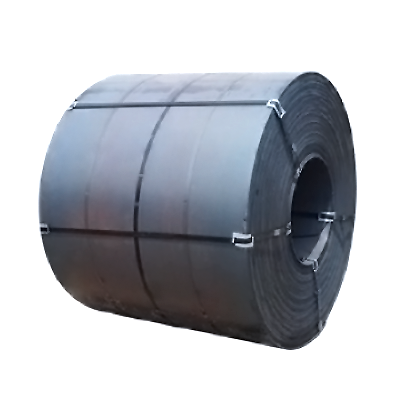
As a supplier of vessel plate A516GR70, I understand the critical importance of corrosion resistance in ensuring the longevity and reliability of this widely used material. Vessel plate A516GR70 is commonly employed in various industries, including oil and gas, petrochemical, and power generation, where it is exposed to harsh environments that can lead to corrosion. In this blog post, I will share some effective strategies to improve the corrosion resistance of vessel plate A516GR70.
Understanding the Corrosion Mechanism of Vessel Plate A516GR70
Before delving into the methods of enhancing corrosion resistance, it is essential to understand how corrosion occurs in vessel plate A516GR70. Corrosion is an electrochemical process that involves the oxidation of metal in the presence of an electrolyte, such as water or a corrosive chemical. In the case of A516GR70, factors such as moisture, oxygen, and the presence of contaminants can accelerate the corrosion process.
Material Selection and Composition Optimization
One of the fundamental ways to improve corrosion resistance is through careful material selection and composition optimization. The chemical composition of A516GR70 plays a significant role in its corrosion behavior. For instance, increasing the content of elements such as chromium (Cr), nickel (Ni), and molybdenum (Mo) can enhance the steel's resistance to corrosion. These alloying elements form a passive oxide layer on the surface of the steel, which acts as a barrier against corrosive agents.
Moreover, controlling the carbon content is crucial. Lower carbon content can reduce the susceptibility to intergranular corrosion, which is a common form of corrosion in steels. By working closely with steel manufacturers, we can ensure that the A516GR70 plates we supply have an optimized chemical composition to meet the specific corrosion resistance requirements of our customers.
Surface Treatment
Surface treatment is another effective method to improve the corrosion resistance of vessel plate A516GR70. There are several surface treatment techniques available, each with its own advantages and applications.
Galvanizing
Galvanizing is a widely used surface treatment method that involves coating the steel with a layer of zinc. Zinc is more electrochemically active than steel, so it acts as a sacrificial anode, protecting the steel from corrosion. Galvanized A516GR70 plates are highly resistant to atmospheric corrosion and are commonly used in outdoor applications.
Painting
Painting is a cost - effective and versatile surface treatment option. High - quality anti - corrosion paints can provide a protective barrier between the steel surface and the corrosive environment. When selecting a paint system, it is important to consider factors such as the type of corrosive agents, temperature, and humidity. Epoxy and polyurethane paints are commonly used for their excellent adhesion and corrosion resistance properties.
Phosphating
Phosphating is a chemical treatment process that forms a phosphate coating on the steel surface. This coating can improve the adhesion of paints and primers and also provides some degree of corrosion protection. Phosphated A516GR70 plates are often used as a pre - treatment step before painting or powder coating.
Coating Selection
In addition to surface treatments, the selection of appropriate coatings can significantly enhance the corrosion resistance of vessel plate A516GR70. There are various types of coatings available, including organic coatings, inorganic coatings, and metallic coatings.
Organic Coatings
Organic coatings, such as epoxy, polyurethane, and acrylic coatings, are widely used due to their excellent flexibility, adhesion, and corrosion resistance. These coatings can be applied by spraying, brushing, or dipping. Epoxy coatings are particularly suitable for applications where high chemical resistance is required, while polyurethane coatings offer good weatherability and abrasion resistance.
Inorganic Coatings
Inorganic coatings, such as ceramic coatings and glass coatings, provide high - temperature resistance and excellent chemical stability. Ceramic coatings can form a hard, dense layer on the steel surface, which effectively protects against corrosion and wear. Glass coatings are often used in applications where a smooth, non - stick surface is required.
Metallic Coatings
Metallic coatings, such as nickel - based coatings and aluminum - based coatings, can provide excellent corrosion resistance in harsh environments. Nickel - based coatings are known for their high resistance to corrosion in acidic and alkaline solutions, while aluminum - based coatings offer good protection against oxidation and corrosion at high temperatures.
Environmental Control
Controlling the environment in which the vessel plate A516GR70 is used is also an important aspect of improving corrosion resistance. This can involve measures such as reducing humidity, removing contaminants, and controlling the pH level of the surrounding medium.
Humidity Control
High humidity can accelerate the corrosion process by providing a conductive medium for electrochemical reactions. In indoor environments, dehumidifiers can be used to maintain a low humidity level. In outdoor applications, proper ventilation and drainage systems can help to reduce the amount of moisture in contact with the steel.

Contaminant Removal
Contaminants such as dust, salt, and chemicals can increase the corrosion rate of A516GR70. Regular cleaning of the steel surface can help to remove these contaminants and prevent the formation of corrosive agents. In industrial environments, it may be necessary to use specialized cleaning agents and equipment to ensure thorough cleaning.
pH Control
The pH level of the surrounding medium can have a significant impact on the corrosion behavior of A516GR70. In some cases, adjusting the pH level can help to reduce the corrosion rate. For example, in acidic environments, adding alkaline substances can neutralize the acid and slow down the corrosion process.
Regular Inspection and Maintenance
Regular inspection and maintenance are essential to ensure the long - term corrosion resistance of vessel plate A516GR70. By conducting periodic inspections, we can detect early signs of corrosion and take appropriate measures to prevent its spread.
Visual Inspection
Visual inspection is the simplest and most common method of detecting corrosion. During a visual inspection, we look for signs such as rust, discoloration, and pitting on the steel surface. Any areas of concern should be marked and further investigated.
Non - Destructive Testing
Non - destructive testing (NDT) methods, such as ultrasonic testing, magnetic particle testing, and radiographic testing, can be used to detect internal defects and corrosion in A516GR70 plates. These methods are particularly useful for detecting hidden corrosion that may not be visible during a visual inspection.
Maintenance and Repair
If corrosion is detected, prompt maintenance and repair are necessary. This may involve removing the corroded material, applying a new coating, or replacing the damaged section of the plate. Regular maintenance can help to extend the service life of the A516GR70 plates and ensure their continued performance.
Comparison with Other Steel Plates
When considering the corrosion resistance of vessel plate A516GR70, it is also interesting to compare it with other similar steel plates, such as S355NL and SM520B. While each steel plate has its own unique properties, A516GR70 offers a good balance of strength and corrosion resistance, making it a popular choice for many applications.
S355NL is a low - alloy high - strength structural steel with good weldability and toughness. It has a relatively high content of alloying elements, which gives it better corrosion resistance than some carbon steels. However, in terms of corrosion resistance in specific environments, such as marine environments, A516GR70 may perform better due to its optimized composition for use in pressure vessels.
SM520B is a Japanese standard low - alloy high - strength steel plate. It has good mechanical properties and is widely used in construction and machinery. Similar to S355NL, its corrosion resistance can be enhanced through appropriate surface treatments and environmental control. However, A516GR70 is specifically designed for use in pressure vessels, which often require higher levels of corrosion resistance.
Conclusion
Improving the corrosion resistance of vessel plate A516GR70 is a multi - faceted approach that involves material selection, surface treatment, coating selection, environmental control, and regular inspection and maintenance. By implementing these strategies, we can ensure that our customers receive high - quality A516GR70 plates that are capable of withstanding harsh environments and providing long - term performance.
If you are in need of high - quality vessel plate A516GR70 with excellent corrosion resistance, please feel free to contact us for procurement and further discussion. We are committed to providing you with the best products and services to meet your specific requirements.
References
- ASME Boiler and Pressure Vessel Code, Section II, Materials
- ASTM A516/A516M - 17, Standard Specification for Pressure Vessel Plates, Carbon Steel, for Moderate - and Lower - Temperature Service
- Uhlig, H. H., & Revie, R. W. (2019). Corrosion and Corrosion Control: An Introduction to Corrosion Science and Engineering. Wiley.
- Fontana, M. G. (1986). Corrosion Engineering. McGraw - Hill.


